
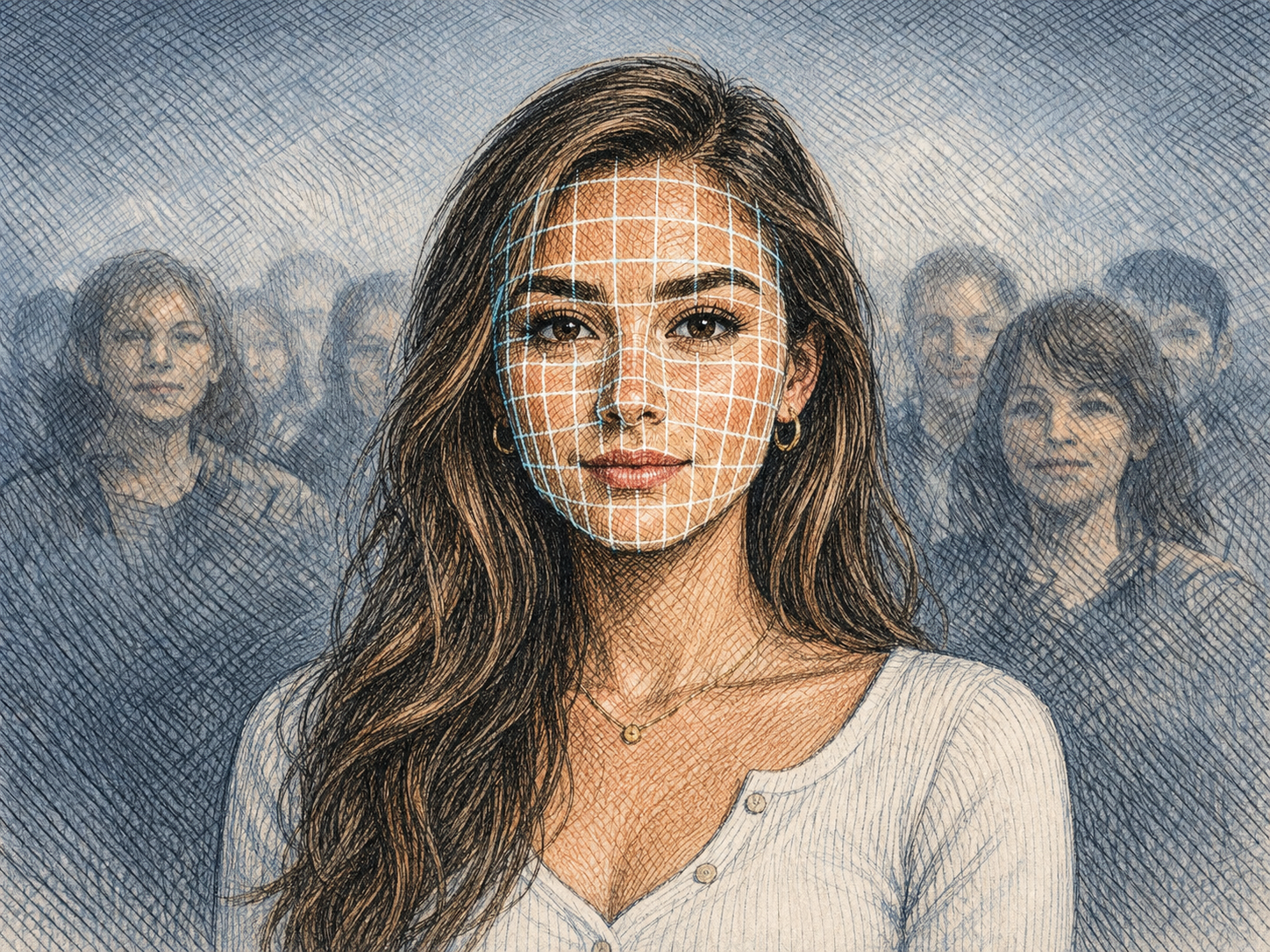
YouTube has opened its “likeness detection” tool to all creators aged 18 and older, expanding access to a system designed to scan videos on the platform for AI deepfakes that appear to use a person’s face. If the system finds a likely match, the individual is notified and can review the content before deciding whether to submit a takedown request. The company also said adults without a YouTube channel can apply for access.
A gradual rollout that began in preview
The feature has been introduced in stages over two years. YouTube first previewed the system internally in 2024. By late 2025, it had been made available on an initial basis to Partner Program members, journalists, and political figures. On April 21, 2026, the company extended access to celebrities and artists represented by CAA, UTA, WME, and Untitled Management.
This week, YouTube widened eligibility again, saying all adult creators can now apply regardless of channel size or tenure on the platform. Its message was simple: creators should receive the same level of protection whether they have been uploading for a decade or are only getting started.
Built on a model similar to Content ID
The system follows a structure that closely resembles YouTube’s Content ID, which has been in use for more than 15 years. Content ID allows rights holders to upload reference files for music or video, then automatically checks new uploads for matches so the rights holder can choose how to respond. Likeness detection applies that same basic approach to facial identity rather than copyrighted media.
The application process has three steps. A creator scans a QR code in YouTube Studio, submits a government-issued identity document, and records a selfie video for facial verification. Once the system confirms the match, it can alert the person when suspected deepfake content is detected. YouTube is not presenting the tool as an automated judge of harm or intent; it surfaces possible matches, while the individual decides whether action should be taken.
Voice impersonation is not included yet
There is a clear limitation at launch. The current system detects faces, but it cannot independently identify synthetic voice impersonation. YouTube said audio likeness detection is still under development and is expected later in 2026. For now, that leaves a gap in cases where AI-generated content imitates someone’s voice without using their face.
The expansion also highlights unresolved legal and operational questions. The source material notes that the legal treatment of deepfakes varies widely across jurisdictions, and there is still no unified federal deepfake law in the United States. YouTube can provide detection and reporting tools, but the practical force of those tools depends on the legal framework behind them.
That helps explain why major Hollywood agencies joined early testing. For firms such as CAA, UTA, and WME, the commercial value of a client’s likeness is high, and so is the risk from deepfake misuse. Opening the tool to a much broader user base lowers the barrier for ordinary creators, but YouTube has not published data showing how detection accuracy or takedown speed may change as usage scales up.