
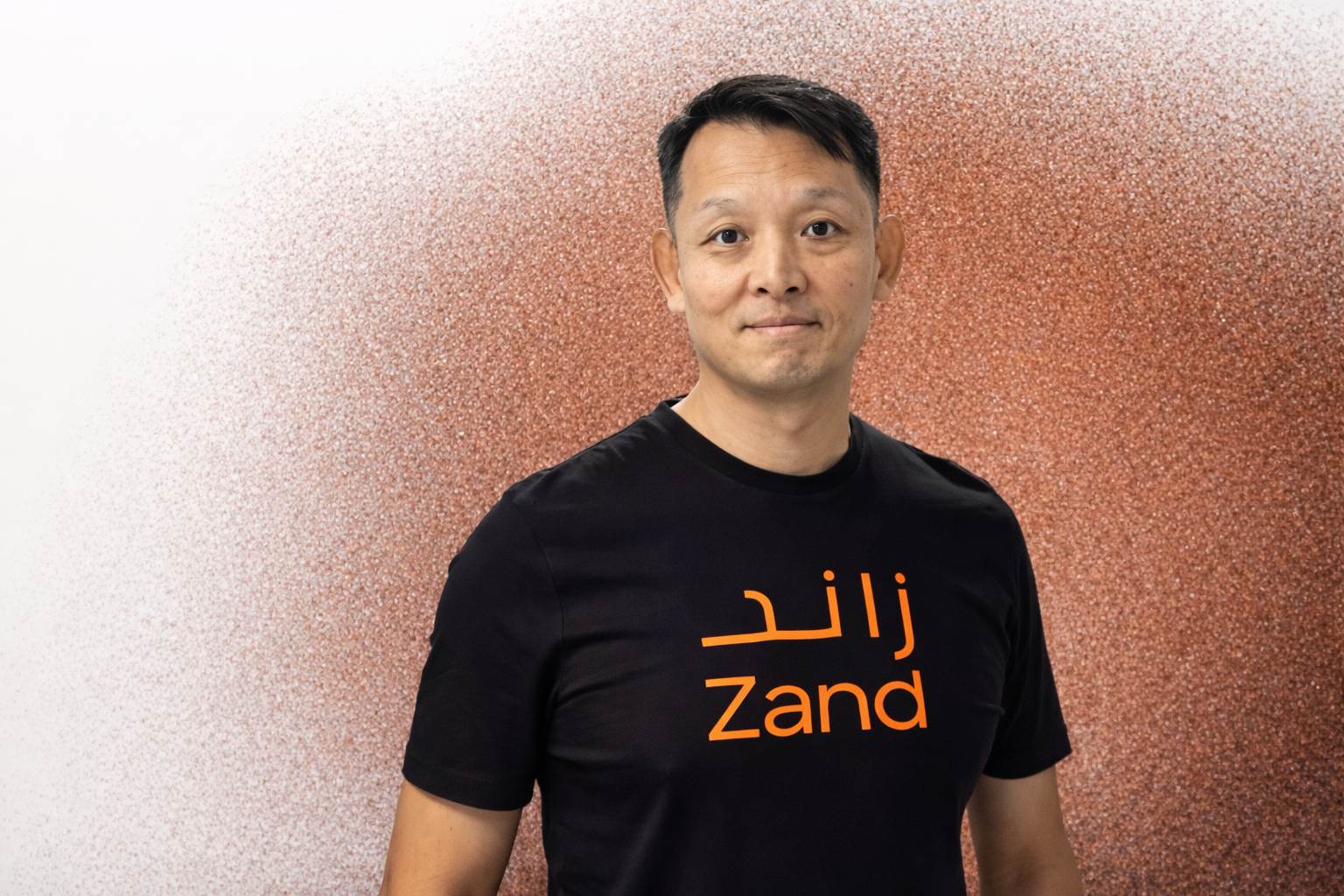
While most digital banks take an average of six years to break even, UAE's first full digital bank Zand Bank did it in just 22 months under CEO Michael Chan. In an exclusive interview, the former Standard Chartered executive revealed the decisive move: shutting down the crowded retail business and repositioning the bank as a wholesale bank focused on enterprise and blockchain.
Michael Chan admitted the high-risk decision happened almost before his first board meeting — it was a condition for his joining. "If the board believed this niche proposition could take the bank to a totally different level, we should go this way." Along with strong board support, UAE's crypto-friendly regulations played a vital role. The real "magic" lies in positioning: Zand targets the sweet spot where fintechs lack licenses and traditional banks lack expertise. Three years ago, despite the UAE positioning itself as crypto-friendly, few banks could provide basic support. Zand found a way to align national, bank, and global interests.
AED Stablecoin: Not about replacing USD, but enabling 24/7 settlement
Zand Bank recently gained attention after receiving central bank approval for its Zand AED (dirham) stablecoin. Asked whether it aims to challenge dollar dominance in Belt and Road trade, Michael Chan stated firmly: "We are not trying to replace the US dollar; we saw a gap." He emphasized that their stablecoin, unlike CBDCs, is issued by a highly regulated commercial bank.
Using the UAE as a MENA re-export hub (similar to Hong Kong for China), he noted that banks close on weekends. For bulk transactions like oil, a two-day settlement delay incurs huge interest costs. Simply using a dollar-pegged stablecoin doesn't solve the problem if the counterparty bank is closed and can't convert to local currency. Michael Chan argues that stablecoins need an ecosystem with interoperability across multiple currencies to truly achieve 7×24 operation — that's the main purpose of issuing Zand AED.
Dubai Real Estate Tokenization: 2,000 buyers in 1 minute 56 seconds raises inflation fears
Zand Bank partners with Dubai Land Department on real estate tokenization. Michael Chan notes that in Dubai, property certificates are tokens themselves and the land department already uses blockchain. This enables true tokenization without SPV structures.
Sales figures are eye-popping: "Our worst-performing sale sold to 2,000 buyers in 1 minute 56 seconds. It was so successful that the government began worrying about high inflation and property speculation." Zand is now stepping back to consider whether to open a secondary market. Over 50% of buyers purchase overseas online, creating an opportunity for crypto payments — compliance first, then entry into fiat.
Machine Economy: KYM (Know Your Machine) and ultimate beneficiary accountability
How does Zand extend credit to autonomous trucks or drones in an AI/IoT-driven world? Michael Chan splits the answer. First, autonomous payment adoption depends on regulations, especially consumer protection. Second, KYC for machines introduces "KYM" (Know Your Machine) or KYAI. The principle mirrors corporate KYC: trace back to the ultimate beneficial owner (UBO) of the machines. Zand checks wallet addresses, transaction history, sanctions lists — and always identifies the human behind the machine to maintain traceability and accountability.