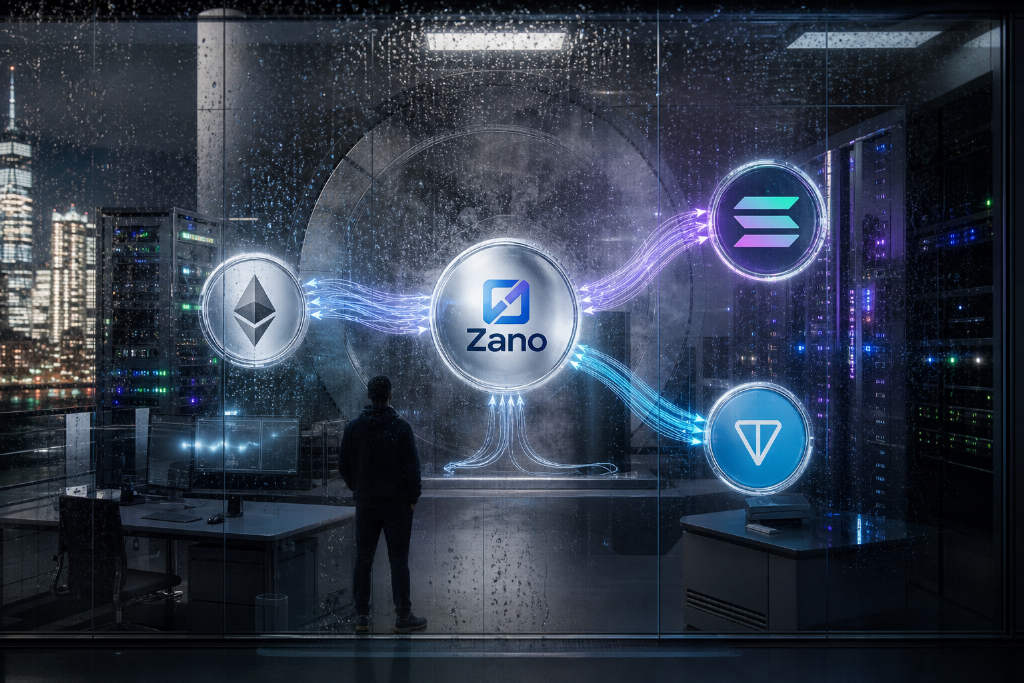
Privacy-focused blockchain Zano has activated its sixth hard fork, HF6, at block height 3,833,000, with the upgrade now live on mainnet. The network described it as the largest upgrade in its seven-year history. HF6 introduces Gateway Addresses, a feature designed for centralized exchanges, DEXs and cross-chain bridges that offers a directly traceable single balance and instant synchronization while keeping existing addresses and their privacy model unchanged. The upgrade also allows native ZANO to move in a non-custodial manner to Ethereum, Solana and TON. Once on those external networks, the asset is public; when bridged back to Zano, its privacy protections return. Beyond cross-chain changes, HF6 tightens consensus validation rules and strengthens wallet encryption, mining pool fault tolerance, payment IDs, anti-DoS limits, SOCKS5 proxy support and RPC interfaces. HF6 is also described as a prerequisite for the Zano Execution Layer, an EVM-compatible chain still under development with no fixed launch date. Zano’s next-generation consensus protocol, Zenith, has been placed on the project’s 2027 roadmap.
According to ChainCatcher, privacy blockchain Zano activated its sixth hard fork, HF6, at block height 3,833,000, and the upgrade is now live on mainnet. It is described as the largest upgrade in the network’s seven-year history.
Gateway Addresses added in HF6
HF6 introduces Gateway Addresses, aimed at centralized exchanges, decentralized exchanges and cross-chain bridges. The feature provides a directly traceable single balance and instant synchronization while preserving existing addresses and their privacy model.
Native ZANO can now move across chains without custody
Following the upgrade, native ZANO can be bridged in a non-custodial way to Ethereum, Solana and TON. On external networks, the asset becomes public. Once bridged back to Zano, privacy protection is restored.
Validation and infrastructure changes included
The hard fork also tightens consensus validation rules and strengthens wallet encryption, mining pool fault tolerance, payment IDs, anti-DoS limits, SOCKS5 proxy support and RPC interfaces.
What comes next
HF6 is a prerequisite for the Zano Execution Layer, an EVM-compatible chain that is still in development and does not yet have a fixed launch date. Zano’s next-generation consensus protocol, Zenith, has also been placed on the 2027 roadmap.
This article was originally published by Bit.Fan. For more cryptocurrency news and market insights, visit www.bit.fan. Disclaimer:
The market information, project data, and third-party content displayed on this platform are for industry information sharing only and do not constitute any form of investment advice or return commitment.
Cryptocurrency trading carries high risks. Users should fully assess their risk tolerance and make independent decisions. All profits, losses, and legal responsibilities are borne by the users themselves.