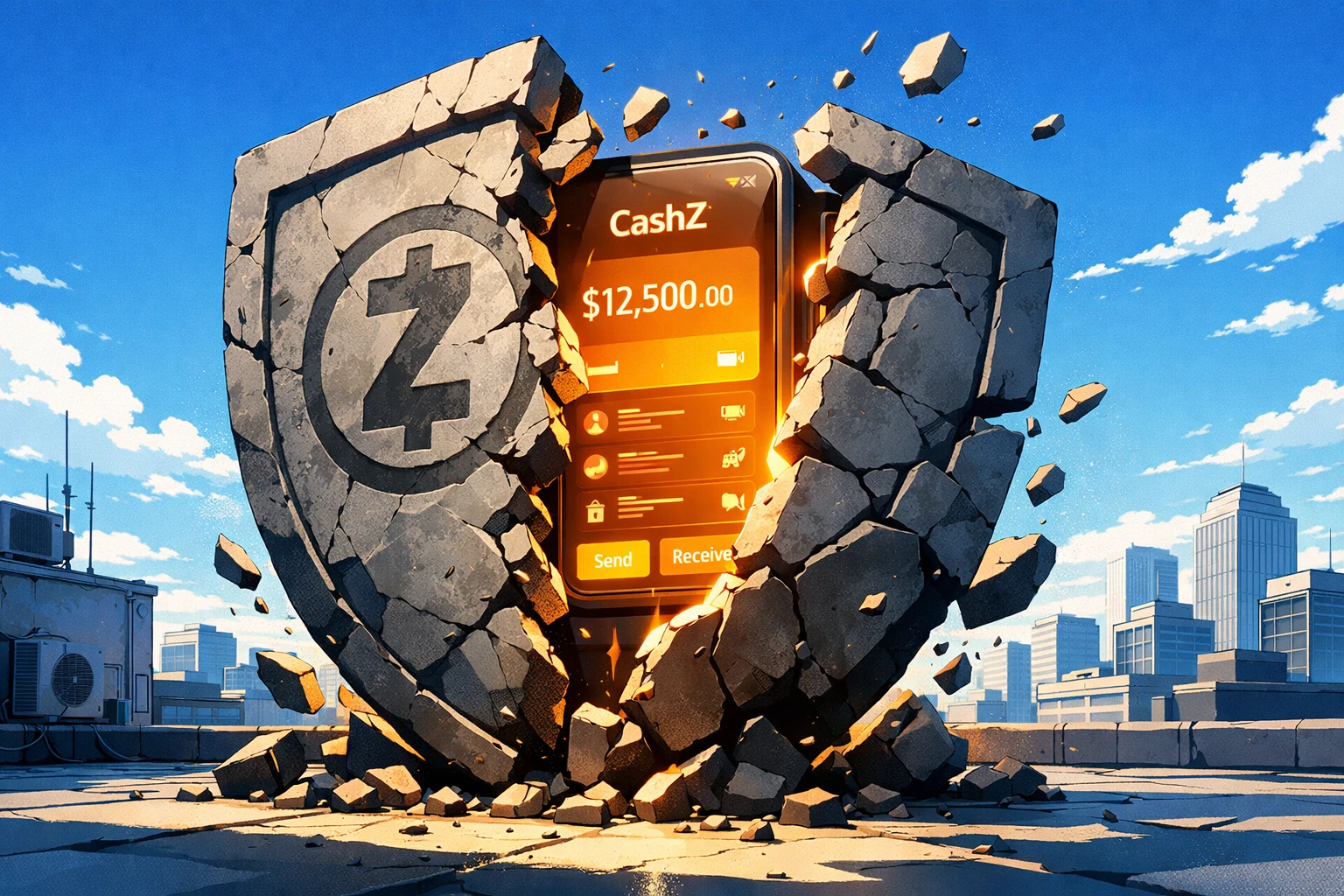
A mass exodus has rocked the Zcash ecosystem. The engineering and management team behind Electric Coin Company (ECC) submitted resignations in unison between late January 7 and early January 8, moving to a new venture called CashZ. ZEC price crashed 21% below $400 as the market digested the implications of a split between the non-profit Bootstrap and the for-profit startup.
Fault line: employment terms change triggers 'hostile governance' claim
The trigger was a change in employment terms by the Bootstrap board, which the departing team labeled as "hostile governance" and a de facto dismissal. Former CEO Josh Swihart said: "Nonprofits focus on rule compliance; startups focus on innovation." ECC had long handled core Zcash code development, but under the foundation's processes it had to repeatedly submit budgets and compliance reports, lengthening development cycles. With the Trump administration easing business regulations while tightening financial oversight, the team concluded the old structure couldn't sustain "unstoppable privacy."
CashZ goes live: forking Zashi code, no new token
Days after the resignations, the team quickly registered CashZ and announced it would carry forward the Zashi wallet codebase under development at ECC, releasing a new "cashZ" wallet. Existing Zashi users can import seed phrases for a frictionless migration. CashZ stresses it will not issue a new token and will allocate 100% of resources to the ZEC ecosystem. Within hours of opening pre-registration, over 3,800 sign-ups poured in, signaling strong community anticipation for a return to Cypherpunk principles.
Market shock: ZEC dives 21%, concerns over development funds
Following the news, ZEC tumbled 21% to below $400 before recovering to around $430 the next morning — still far from its 2016 all-time high of $3,191. The protocol itself continues to run on global miner consensus, so network security is unaffected, but investors worry about how remaining development funds will be allocated and who will review future proposals. Analysts see the split as Zcash's overdue "coming of age."
Two fronts: for-profit vs. non-profit, speed vs. compliance
Bitcoin, Ethereum and Solana already command hundreds of millions of users; for Zcash to maintain differentiation, only "privacy by default" remains viable. CashZ is taking a for-profit route to attract external capital and accelerate decision-making, while Bootstrap retains the trademark and continues to fund research under a compliance-first approach. Both sides will compete on capital momentum and community trust. For holders, the exodus brings short-term pain but could be the final chance to shed bureaucracy and realize "privacy like cash." Whether CashZ can ship a product within weeks and whether Bootstrap can propose new developer incentives will determine if Zcash's Cypherpunk lineage endures.