
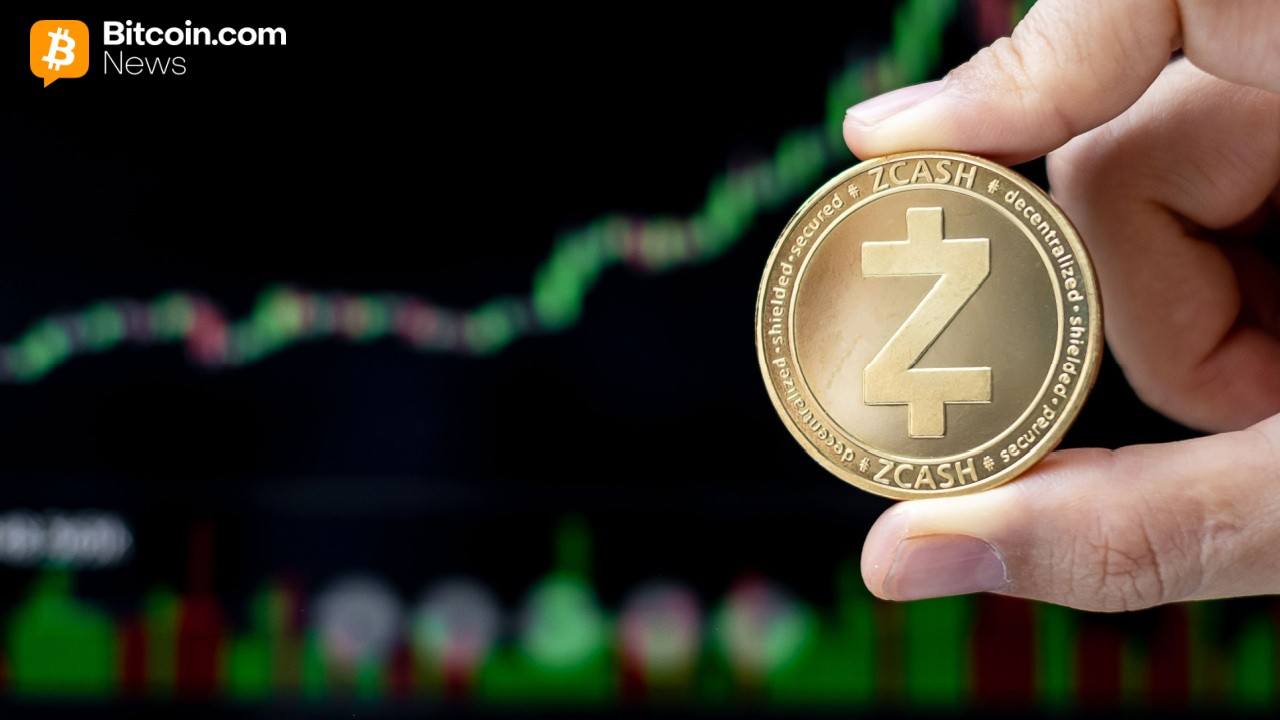
Zcash (ZEC) climbed to nearly $335 on April 8, posting a daily gain of 25% after news of a ceasefire involving the United States, Israel, and Iran lifted risk appetite across markets. The move began with a jump from $276 to $310, then extended higher as buying continued through the session. On a weekly basis, ZEC’s advance reached 33%.
The move easily outpaced the rest of the crypto market. According to the report, bitcoin and other large-cap altcoins generally rose between 3% and 7%, while ZEC delivered a much stronger breakout. Its market capitalization rose to $5.58 billion, narrowing the gap with monero (XMR), which was valued at $6.2 billion at the time.
Project-specific support added to the rally
The ceasefire headline sparked the initial reaction, but Zcash also had token-specific tailwinds. The report said Dash had integrated Zcash’s ZK-SNARKs technology, reinforcing the privacy-coin narrative. Grayscale also recently reiterated support for the project and highlighted Zcash’s “optional privacy” structure, which lets users choose between shielded and transparent transactions depending on their needs.
That combination gave ZEC more than a macro-driven bounce. Price action and renewed attention on privacy features helped the token separate itself from bitcoin and other major coins during the session.
Broader crypto prices rebounded with risk appetite
Before the ceasefire announcement, bitcoin had slipped below $68,000. It later recovered to above $72,000. Ethereum (ETH) moved back above $2,250, while Solana (SOL) reclaimed $85. Other reported gainers included HYPE at 6.8%, ADA at 6.4%, DOGE at 4.6%, and XRP at 4.5%.
The source also said the rebound lifted the total crypto market capitalization by 4%. A drop in geopolitical tension, along with weaker oil prices, fed the return of risk-on positioning across digital assets.
QCP points to Hormuz and CPI as the next tests
Even with the sharp rebound, QCP analysts stayed cautious. They said the halt in hostilities may represent only a pause rather than a lasting settlement. In their view, market stability still depends heavily on whether shipping can continue to move safely through the Strait of Hormuz.
They also noted that recent strikes on Saudi energy infrastructure show disruption risks remain in place. On the macro side, the Federal Reserve is still balancing softer labor signals against inflation pressure tied to energy. That leaves the upcoming CPI inflation report as the next major test for market direction.