Chainstack Says Attacker Used ARTEX Framework; Customer Systems Unmodified
Chainstack disclosed that the attacker used the ARTEX framework. Customer nodes, the console and the API were not modified, according to the disclosure.
60

Chainstack disclosed that the attacker used the ARTEX framework. Customer nodes, the console and the API were not modified, according to the disclosure.
Microsoft security researchers said hackers linked to China breached the cloud backup service of IT management and remote access company ConnectWise, stealing application credentials used to connect ConnectWise with enterprise customer data. With those credentials, the attackers could sign in to customers’ Microsoft-hosted environments as if they were authorized users and gain access to email and other files. Microsoft said the campaign moved at unusual speed, with AI agents used to hit about 2,250 organizations and login attempts reaching nearly 3,000 per minute, leaving defenders little time to detect and respond. The company attributed that pace to ARTEX, an open-source AI framework that can work with AI models to stress-test cyber defenses. ConnectWise said it has suspended access to its cloud backup system and is investigating the breach. As of last Thursday, the company said it was still working to restore service. The report was cited by Techub from TechCrunch.
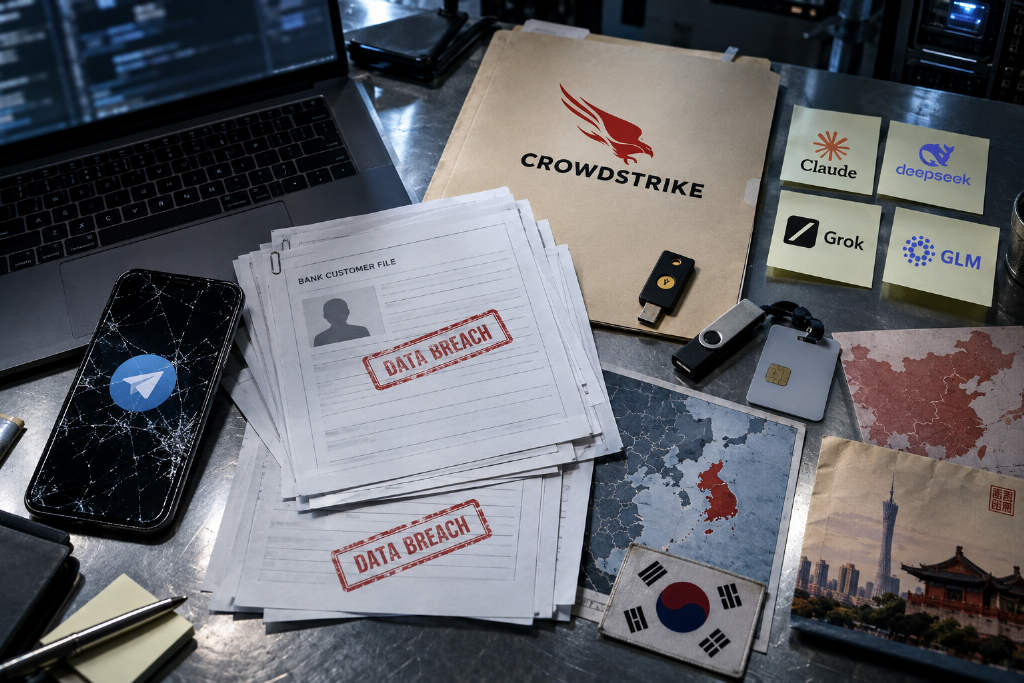
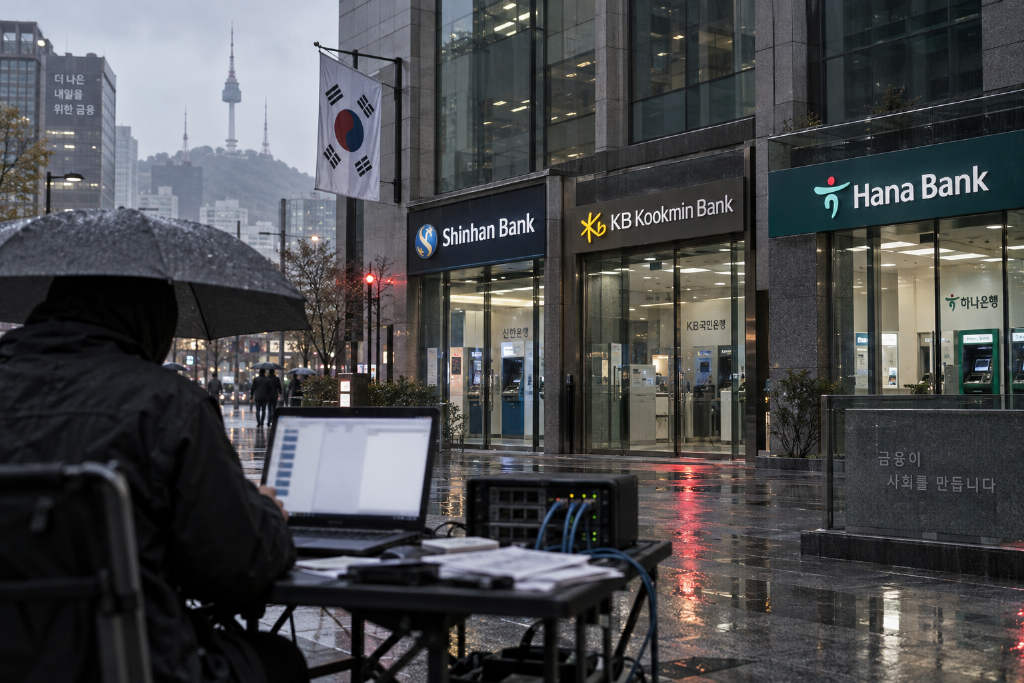
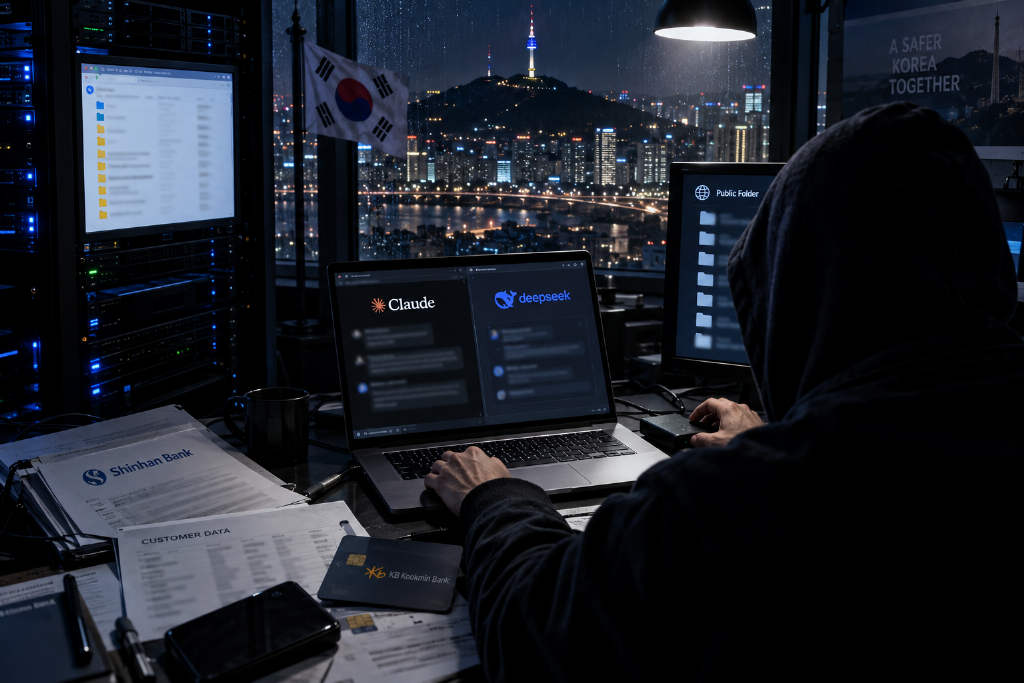
CrowdStrike said in an intelligence report that an unidentified hacker combined large language models with ARTEX, a domestic open-source AI penetration testing tool, to carry out targeted cyberattacks against multiple South Korean financial institutions between late September and early October. According to the report, analysis of an exposed open directory linked to the attacker showed a dual-server setup centered on a Hong Kong IP address. CrowdStrike said the operator used Claude Code, GLM-5.3, Grok 4.6, and DeepSeek v4.1-flash accessed through an API proxy to orchestrate the attack workflow. The report also said the hacker asked Claude how to monetize leaked South Korean data in Telegram groups. Separately, South Korean media estimated that at least seven financial institutions were hit, including KB Kookmin Bank, Shinhan Bank, and Hana Bank. Around 68,000 people had personal data exposed, including sensitive details such as annual income and loan limits.
CrowdStrike said attackers tied to recent data breach incidents involving multiple South Korean banks used ARTEX, an open-source AI penetration testing tool developed in China, and also relied on models including DeepSeek, GLM-5, and Grok during the operation. According to the report, exposed Claude Code session logs from an open directory on an attacker-controlled server showed the threat actors asking how to sell stolen South Korean data and how to find related Telegram trading groups. The same session history also contained a draft resume for a "security researcher" that listed an address in Maoming, Guangdong, an age of 26, and a Telegram contact. CrowdStrike said those details likely belong to the attacker. The report comes as South Korean President Lee Jae-myung has already raised public concern in a cabinet meeting over the use of AI in hacking attacks.
Several major financial institutions in South Korea, including Shinhan Bank, KB Kookmin Bank and Hana Bank, were hit by a string of cyberattacks that exposed the personal data of tens of thousands of customers. A report released by CrowdStrike on Oct. 7 said the activity may have been carried out by a single attacker, despite the scale and complexity of the incidents. According to the investigation, the attacker used ARTEX, an open-source agentic penetration testing tool developed in China, and tied it to several AI models and services, including DeepSeek, Zhipu AI’s GLM, xAI’s Grok and Claude Code. The campaign reportedly targeted a loan-status inquiry service used by financial intermediaries and a mobile office system used by bank staff between late September and early October 2026. The inquiry took an unusual turn when researchers found that the attacker had failed to disable directory listing on a server under their control. That mistake exposed Claude Code session records, configuration files and memory files, allowing investigators to see how the AI tools were configured and what prompts had been used. Among the exposed requests were questions about where stolen South Korean data is typically sold and a request for help drafting a cybersecurity researcher résumé. CrowdStrike said it has not formally attributed the incident to any specific individual or hacking group.
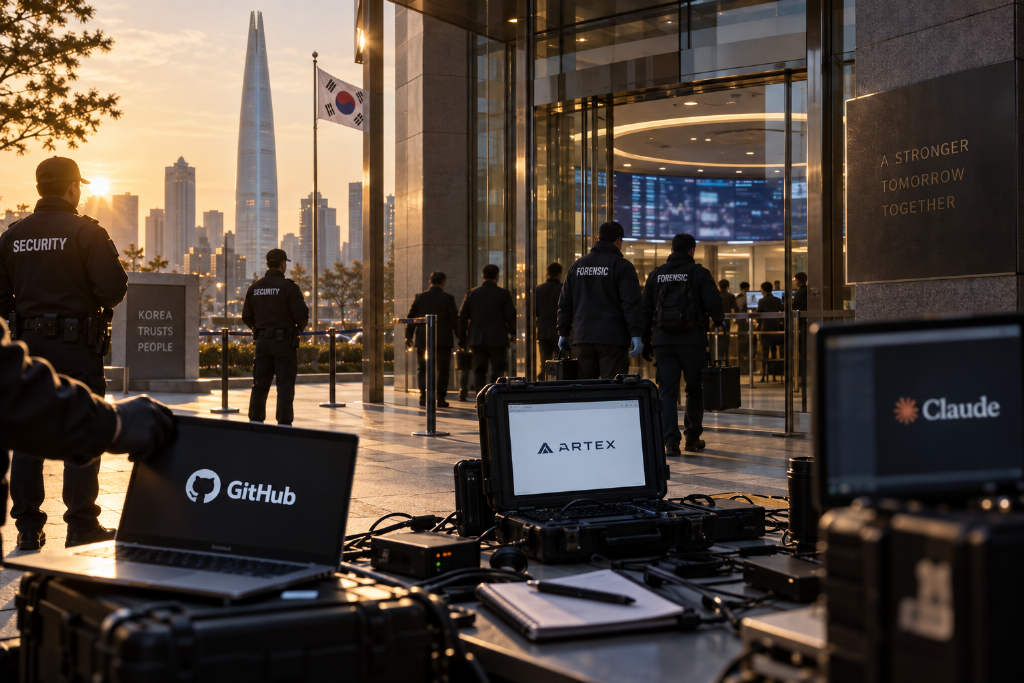
ARTEX, an open-source AI penetration testing tool, has been taken closed-source after being linked to attacks on multiple financial institutions in South Korea. Developer Autumn-27 said on Oct. 8 that the project would stop updating, would no longer release new versions, and would not provide maintenance support going forward. The project’s original GitHub repository was later removed. ARTEX is described as a multi-agent system that can connect to different large language models, automatically identify vulnerabilities, and carry out penetration tests. Earlier, cybersecurity firm CrowdStrike said attackers connected to the South Korean bank incidents had used ARTEX. The firm also found the tool’s configuration files and Claude Code chat records on a server tied to the case. In a statement, Autumn-27 said ARTEX had been built for learning, research, and authorized enterprise security testing. The developer said the tool’s use in illegal attacks ran completely against its original purpose, condemned unauthorized use, and said they would not take responsibility for that activity. Even so, copies of the source code have already been backed up by other developers, meaning previously released versions may still be used and modified.
CrowdStrike said a wave of cyberattacks targeting South Korean financial institutions since late September 2026 involved ARTEX, an open-source AI penetration tool developed in China, paired with large language models including DeepSeek v4.1-flash and Anthropic’s Claude Code. The attacks affected multiple banking systems, including a loan progress inquiry service and an employee mobile work support platform. Shinhan Bank said about 25,000 customers had personal data accessed illegally, while Kookmin Bank reported leaks involving 119 customers. The case drew wider attention because the attacker appears to have exposed their own operational trail. According to CrowdStrike, an open directory on infrastructure controlled by the threat actor contained full Claude Code session logs, configuration files, and memory files. Those records allegedly included prompts asking where South Korean personal data could be sold, requests to search Telegram groups trading Korean data, and an instruction for Claude to draft a cybersecurity researcher résumé that listed the ARTEX-based attack on Korean banks as work experience. The leaked résumé prompt contained identity clues including the alias Y.Y, an age listed as 26, an initially provided birth date of 2007-09-22, South China University of Technology, Maoming in Guangdong province, a phone number, and a Telegram handle. South Korean authorities have opened a formal investigation, while CrowdStrike said it assesses with medium confidence that the actor was a Chinese-language user motivated by financial gain.