PlanX rolls out BaaS and IaaS architecture to build a unified backend for next-generation trading platforms
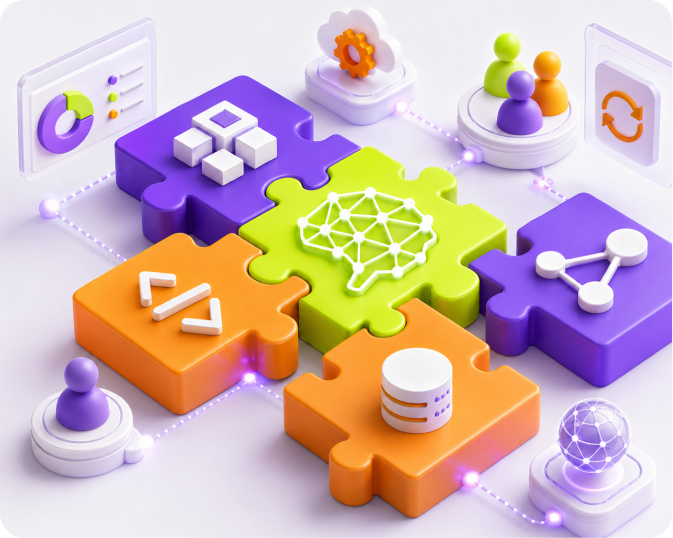
PlanX said it has upgraded its infrastructure strategy around two service lines: Backend as a Service, or BaaS, and Infrastructure as a Service, or IaaS. The company’s pitch is that platforms with users, traffic, assets, or trading scenarios should be able to offer trading features without first building a full exchange stack on their own. In PlanX’s framing, the hard part is no longer the trading interface alone, but the dense backend layer behind it, including accounts, order handling, pricing, liquidity, market making, position management, margin, risk controls, liquidation logic, PnL calculation, settlement, market data, monitoring, and operations. Through BaaS, wallets, fintech apps, AI agents, communities, brokers, DApps, Telegram bots, and other platforms can keep their own brand and frontend while connecting trading capabilities to PlanX. Through IaaS, asset issuers and project teams can define what should be tradable, while PlanX provides the market infrastructure needed to keep those markets running. The company said this model can apply to crypto assets, ecosystem assets, synthetic markets, indexes, RWA-related products, prediction-related markets, and other programmable financial products, with deployment adjusted for different markets and regulatory requirements.