AI Makes Fake Identities Cheaper as Proving Humanity Gets Harder
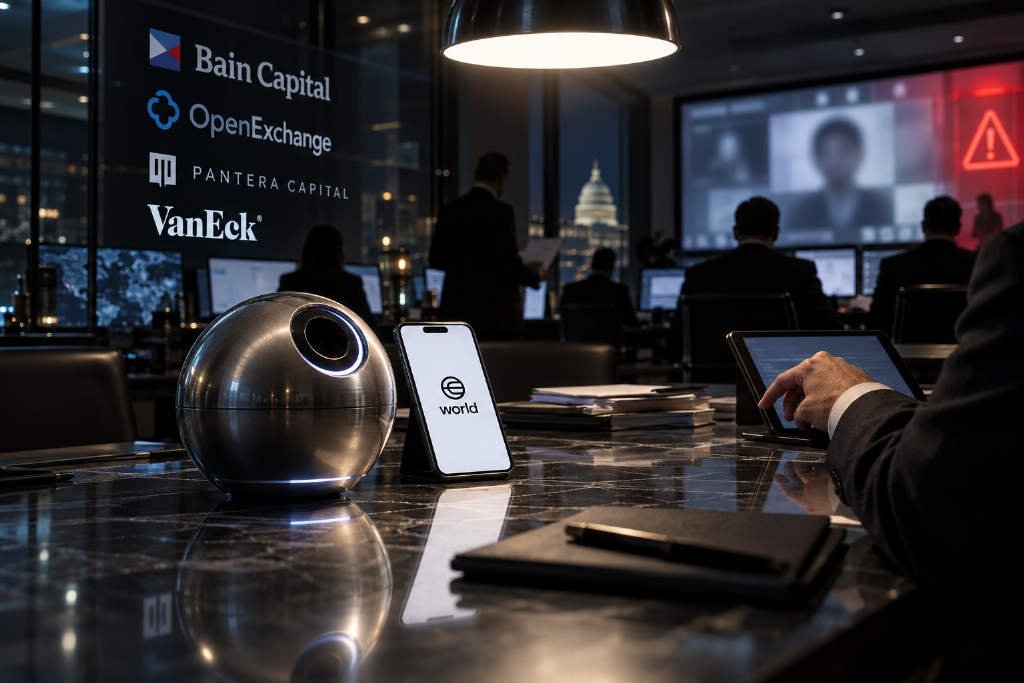
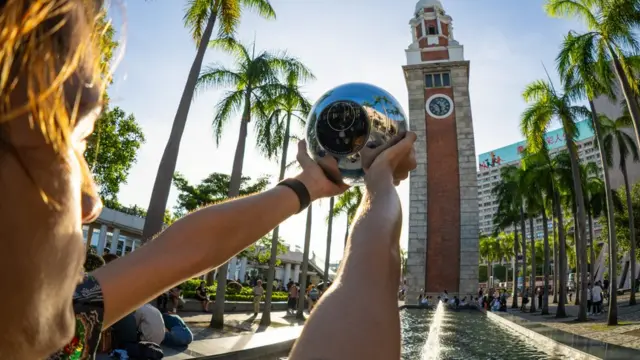
Artificial intelligence is lowering the cost of producing fake online identities, while proving that an account belongs to a real and unique human is becoming a priced technical service. The article traces that problem from Nikolai Gogol’s 1842 novel <i>Dead Souls</i>, in which deceased serfs remained on official lists and were traded as paper assets, to modern SMS verification markets, CAPTCHA-solving systems, proof-of-work, proof-of-stake, World’s Orb hardware and palm-vein recognition. Cambridge researchers tracked the cost of purchasing SMS verification codes, while a 2025 U.S. Secret Service seizure showed how SIM-card infrastructure can support mass account creation. World has verified more than 18 million people through face and iris scans collected by its Orb devices, but dedicated hardware raises production, logistics and deployment barriers. Amazon One and WeChat’s palm-payment systems use palm-print and near-infrared vein patterns, offering a more familiar user experience while still requiring specialized sensors for stronger anti-spoofing protection. The central issue remains the trade-off between reliable proof of personhood and global accessibility.