Biotech
Aug 26, 2026

Biotech shares rally across U.S. and Hong Kong as Moderna jumps 14% and CanSino rises more than 17%

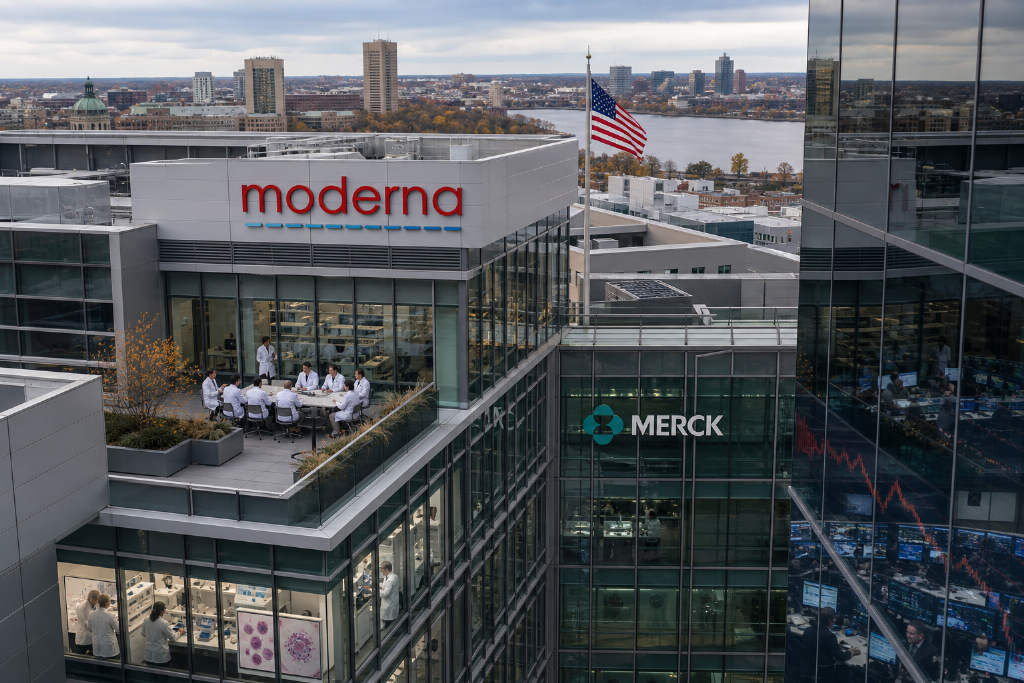
Biotech stocks posted sharp gains across U.S. and Hong Kong markets on Aug. 26, according to market data cited by BlockBeats. Moderna (MRNA) closed up 14.36% in U.S. trading with turnover reaching $7.636 billion, while Merck (MRK) gained 3.84%. The move followed a recent joint announcement from Moderna and Merck that their first personalized mRNA cancer therapy, intismeran autogene, succeeded in a global Phase III clinical trial for high-risk melanoma. After that update, several major banks raised their price targets on Moderna, including Bank of America, Piper Sandler, Goldman Sachs, JPMorgan, and Barclays. In Hong Kong trading, CanSino Biologics rose 17% after the open, while Innovent Biologics gained more than 10%, Everest Medicines rose more than 7%, Akeso climbed more than 6%, and RemeGen advanced more than 4%. CanSino also said its subsidiary CanSino Shanghai had formally signed a strategic framework agreement with DeepVessel Biopharma to jointly develop and commercialize personalized therapeutic mRNA tumor vaccines.

2090
Biotech shares rally across U.S. and Hong Kong as Moderna jumps 14% and CanSino rises more than 17%
JPMorgan
Aug 21, 2026

JPMorgan keeps bearish view on Moderna, says INT melanoma win was already priced in

JPMorgan said in an Aug. 19 research note that Moderna and Merck’s individualized neoantigen therapy, referred to as INT, met its primary endpoint in adjuvant melanoma, with recurrence-free survival showing a significant improvement. The key secondary endpoint, distant metastasis-free survival, also met the bar. Even so, the bank argued the result was widely expected and had already been reflected in Moderna’s share price before the update was released. The firm kept its Underweight rating and a $40 price target on Moderna, versus a current share price of $63 cited in the note, implying 36% downside. JPMorgan’s view is that the clinical success of INT in adjuvant melanoma is no longer the main valuation question. Instead, the next leg of value depends on whether the therapy can show similar efficacy across a broader set of tumor types. JPMorgan said it had already assigned an 85% probability of success to the phase III melanoma study, based on prior phase IIb data and the biological rationale of the approach in cancer immunotherapy. The bank added that adjuvant melanoma is a relatively small indication, and that Moderna’s roughly $25 billion market value already includes expectations for approval in this setting. It said future data in non-melanoma indications will be more important for the company’s valuation.

1690
JPMorgan keeps bearish view on Moderna, says INT melanoma win was already priced in
Policy Regulation
Aug 20, 2026

Treasury doubles long-bond buybacks, sending gold and Bitcoin higher as AI trades unwind

The U.S. Treasury jolted markets by doubling liquidity buybacks for 10- to 30-year Treasurys from a maximum of $2 billion to at least $4 billion per operation, a move that helped pull long-dated yields lower after a sharp bond selloff. The 30-year yield fell by more than 9 basis points on the day, while the 10-year yield slipped back toward 4.64%. The dollar index dropped 0.86% to 98.69, spot gold surged through $4,500 an ounce, and Bitcoin briefly climbed to $70,064, its highest level since June 2, according to OKX data. At the same time, minutes from the Federal Reserve’s July meeting struck a hawkish tone. Rates were left unchanged at 3.5% to 3.75%, but three voters — Logan, Hammack and Kashkari — dissented in favor of an immediate 25-basis-point hike. The minutes also showed officials discussing AI-driven inflation pressure in chips, steel, power and data-center materials, while warning that aggressive borrowing and overly optimistic profit assumptions could leave AI valuations vulnerable. Equity leadership shifted sharply. A successful Phase 3 personalized mRNA cancer vaccine trial from Moderna and Merck ignited a rally in drugmakers and biotech, while semiconductor, storage and optical-networking names tied to AI momentum selling continued to weaken. Crypto-linked stocks also jumped, helped by stronger Bitcoin prices and comments tied to Hyperliquid’s possible compliant U.S. entry.

1660
Treasury doubles long-bond buybacks, sending gold and Bitcoin higher as AI trades unwind
Anthropic
Aug 19, 2026

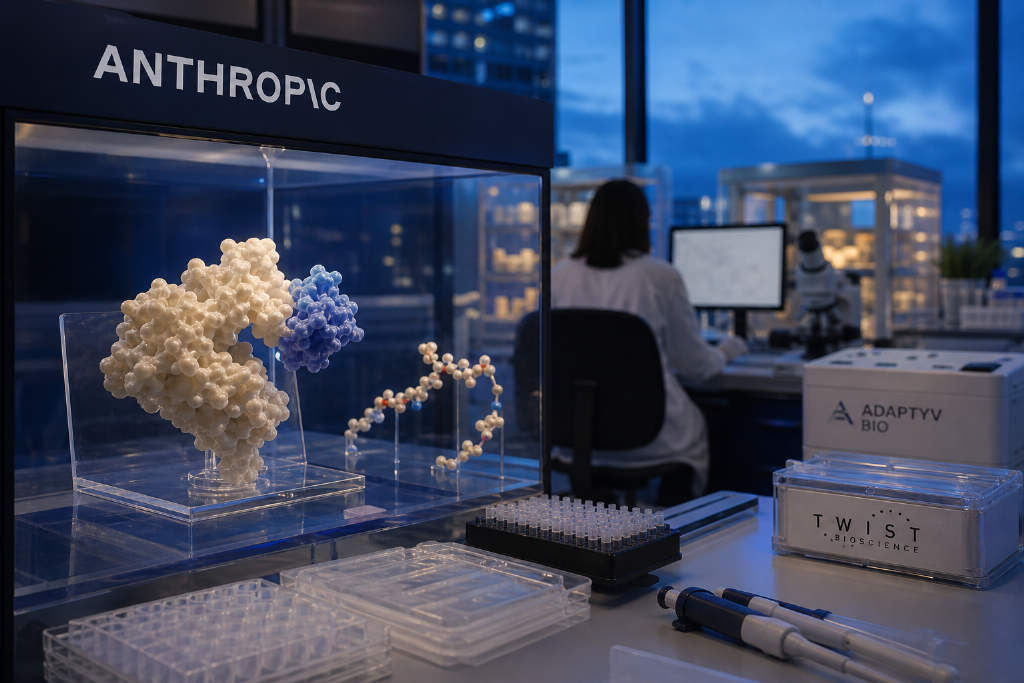
Anthropic says Claude reached a 35.1% hit rate in de novo protein binder design

Anthropic has released test results showing Claude designing protein binders from scratch across 15 targets, with successful binders reported for 14 of them and a top hit rate of 35.1% in a single-target setup. In multi-target mode, Mythos Preview posted a 26.7% hit rate and Claude Opus 4.8 came in at 22.6%, based on runs lasting 48 hours and using as much as 12,500 NVIDIA H100 hours. The company said the outputs were independently checked in the lab by Adaptyv Bio and Twist Bioscience. Anthropic also highlighted specific cases. On RBX1, Mythos Preview reached 40%, while participants in an Adaptyv Bio competition averaged 3.7%, and Claude’s top design outperformed the winning entry among 245 submissions. On TNFα, however, Opus 4.8 succeeded while Mythos Preview failed, with Anthropic saying it does not know why. The company also reported 15 confirmed binders containing beta strands across six targets, a harder class of structural design. A separate chemistry-analysis test using Claude Opus 5 produced results that Anthropic said closely matched lab output, including NMR workups and purity calls. Still, the company acknowledged limitations. It said minibinders are not a standard drug format, and critics including former pharma figure Martin Shkreli argued the binders showed weak affinity and no intracellular targeting. The report also noted that Isomorphic Labs has already advanced AI-designed oncology drugs into human clinical trials.

1820
Anthropic says Claude reached a 35.1% hit rate in de novo protein binder design
YZi Labs
Aug 15, 2026

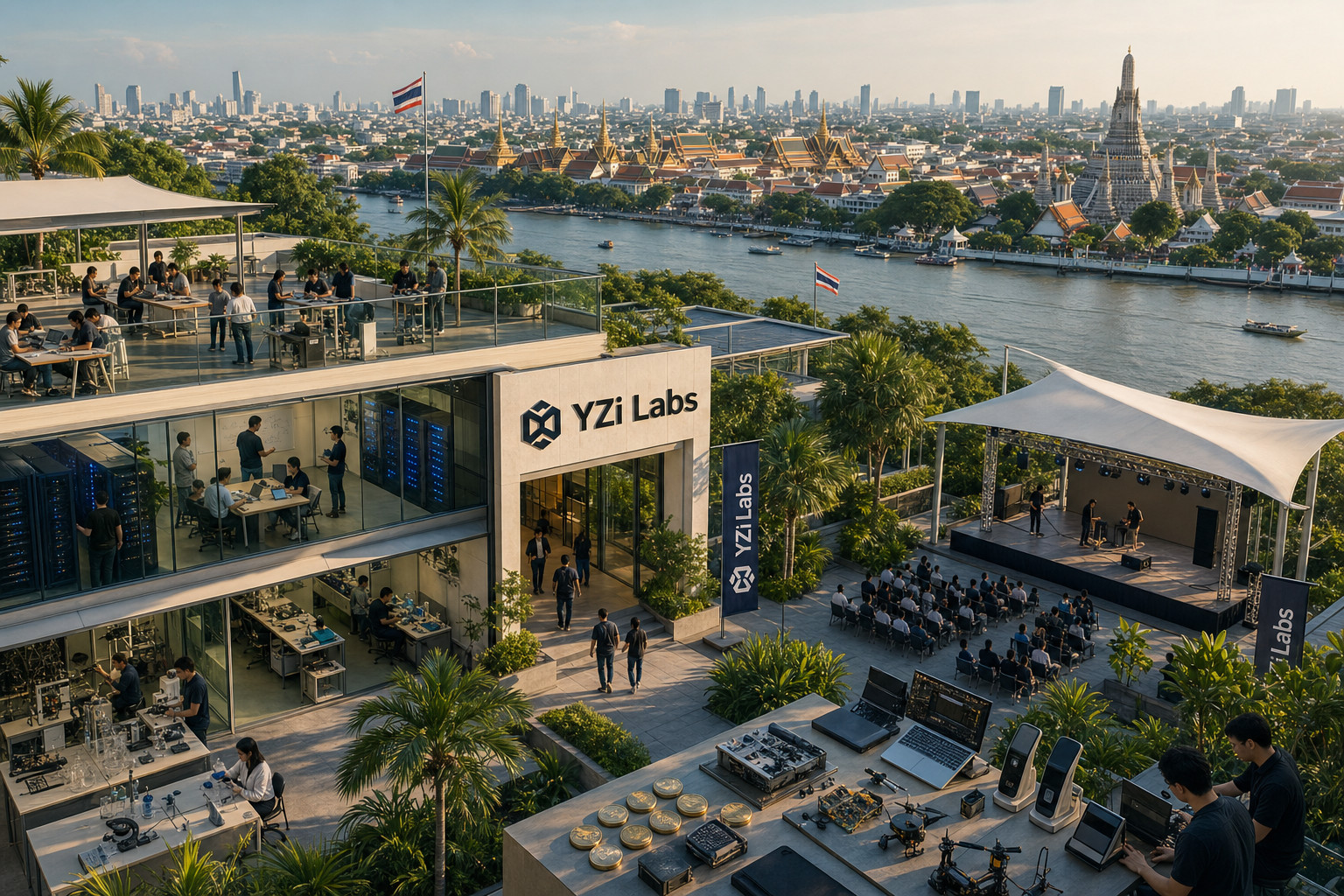
YZi Labs opens applications for S5 residency program focused on stablecoins, AI and biotech

YZi Labs has opened applications for the fifth season of its ASY Residency early-stage accelerator program, a 10-week initiative split between five weeks of online coursework and five weeks of in-person programming in Thailand. The program will end with a demo day aimed at leading investors from around the world. During the Thailand segment, accommodation, meals and workspace will be fully covered so founders can stay focused on building. Selected teams may receive up to $500,000 in investment, and they may also qualify for as much as $2 million in additional funding from a token aggregation platform. Applications are open until Sept. 14 at 14:59. This batch will focus on programmable capital and onchain markets, stablecoin payment infrastructure, AI infrastructure and the compute economy, AI interface and consumer layers, as well as AI x biology and programmable science.

1760
YZi Labs opens applications for S5 residency program focused on stablecoins, AI and biotech
Zcash
Aug 14, 2026

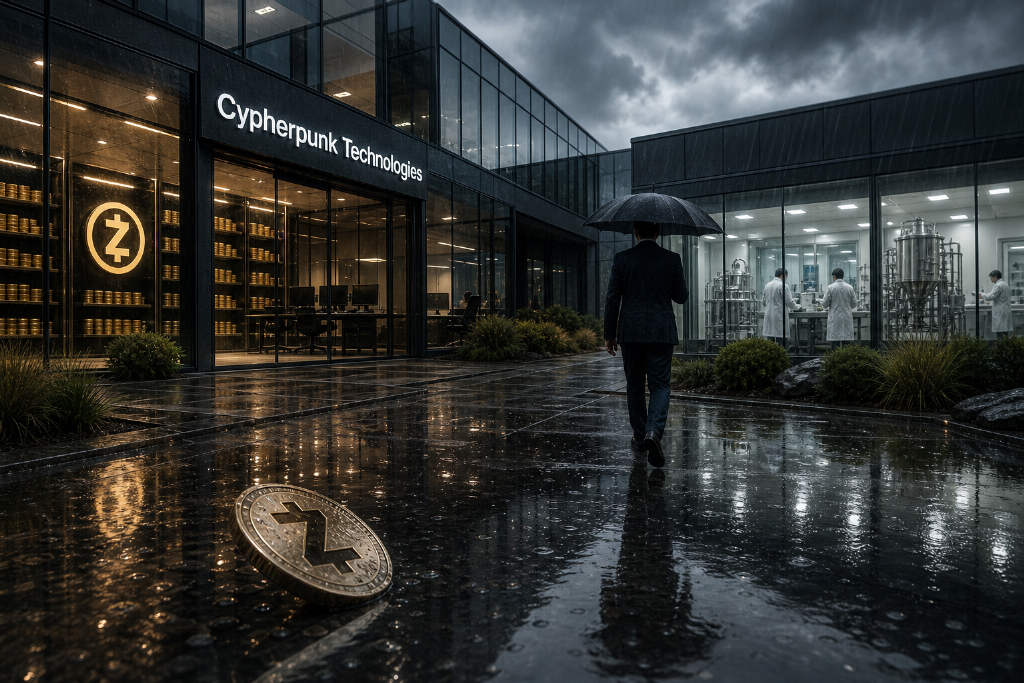
Cypherpunk posts a $37.8 million half-year loss and shifts focus to a cancer drug

Cypherpunk Technologies, a Zcash treasury company backed by Cameron and Tyler Winklevoss, said it plans to shift its focus toward its cancer drug candidate after reporting a net loss of $37.8 million for the first six months of 2026. The company said it expects operating losses to continue for the foreseeable future and warned that it may need to raise substantial capital for upcoming FDA trials unless the price of ZEC rebounds soon. The company holds roughly $157 million worth of ZEC, yet Nasdaq traders value the whole business at about $74 million, leaving the stock at around 0.47x mNAV on its base asset value. Even using the company’s own enterprise value framework, which includes prefunded warrants and other incentives, the multiple rises only to 0.96x, still below the value of its ZEC holdings. Cypherpunk’s cancer candidate, the anti-DKK1 antibody sirexatamab, failed to beat the control arm on progression-free survival in all patients in a randomized Phase 2 study. Still, the FDA granted Fast Track designation in May and agreed to a Phase 3 colorectal cancer trial design involving about 270 patients. As of June 30, the company held $7.6 million in cash and cash equivalents, had an accumulated deficit of $500 million, and owned 323,394 ZEC, or 1.92% of circulating supply.

980
Cypherpunk posts a $37.8 million half-year loss and shifts focus to a cancer drug
AI drug discovery
Aug 6, 2026

Why AI Still Hasn’t Produced a World-Changing Drug

Biotech policy writer Ruxandra Teslo argues that the main obstacle to AI-led drug discovery is not model capability, but the system surrounding drug development. In her view, the biggest delays come from long clinical trial timelines, slow validation of surrogate endpoints, limited access to medical data, and a patent structure that rewards molecule design more than the discovery of new biological targets. She points to an average seven-year path from discovery to market and costs above $1 billion, saying much of that burden sits in regulatory process rather than science itself. Teslo also cites a 12-year validation path for bone mineral density as a surrogate endpoint in osteoporosis trials. Her broader argument is that AI can help optimize work after a target is chosen, but that is not where the industry’s deepest bottleneck sits. The incentive system still pushes companies and capital toward safer, patentable molecule design instead of riskier target discovery, leaving a core structural problem unresolved.

2520
Why AI Still Hasn’t Produced a World-Changing Drug
China venture capital
Jul 29, 2026

A Silicon Valley VC’s China Field Notes: IPO Timelines, Three Capital Pools and the Networks Behind Startup Funding

A recent TechFlowPost article, translated by BlockBeats from a piece by Bohan of Chemistry, offers a ground-level look at how startup financing works in China after meetings with top-tier investors and management teams at leading robotics and biotech companies. The account argues that China has built real advantages in open-source AI, biotech and robotics, while remaining intensely focused on what Silicon Valley is thinking and building. The piece says many Chinese founders are racing toward IPOs not because their businesses are fully ready or market timing is ideal, but because they often face financing terms that can require capital to be returned within six to eight years at a minimum return threshold. In that structure, buyback obligations can even fall on founders personally. With M&A exits still underdeveloped, public listings often become the only viable path. It also breaks down three major pools of venture capital available to Chinese founders: local RMB funds backed by provincial or municipal governments, domestic USD funds run by established Chinese venture firms, and foreign funds whose direct exposure to China has dropped sharply. The article adds that China’s venture market relies heavily on FA intermediaries and on closed relationship networks, while government industrial policy remains deeply embedded in the innovation system.

900
A Silicon Valley VC’s China Field Notes: IPO Timelines, Three Capital Pools and the Networks Behind Startup Funding
Total 41 items
Go topage