Bluesky
Oct 15, 2026

Bluesky’s Attie adds tools for shareable social apps

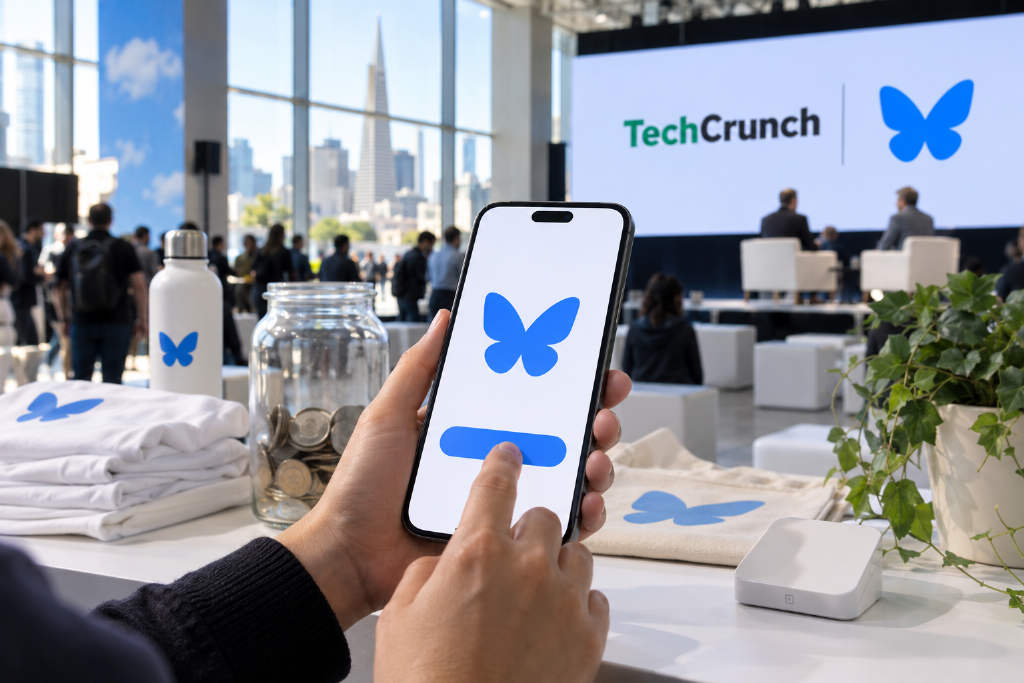
Bluesky’s AI tool Attie now lets users create shareable social mini-apps, including games, polls and dashboards, according to Techub News. The feature allows users to generate an app from a text prompt and publish it as a standalone website. The update expands Attie beyond basic AI assistance into lightweight app creation built around social sharing. In comments made during a TechCrunch Disrupt interview, Bluesky CEO Toni Schneider described Attie as "vibe coding for the community." The remark frames the product as a way for users to quickly build interactive tools without traditional development work. The source report did not disclose additional rollout details, technical specifications or availability limits. It identified The Verge AI as the cited source for the update.

730
Bluesky’s Attie adds tools for shareable social apps
Bluesky
Oct 15, 2026

Bluesky says payments feature is coming in the next few months

Bluesky plans to add payments in the next few months, according to comments from CEO Toni Schneider and COO Rose Wang at TechCrunch Disrupt. The company framed the move as the first step in a monetization strategy that does not depend on advertising. Schneider and Wang said users are already selling goods and raising funds on the platform, and the new feature is intended to make it easier for people to support content they like. Wang also said Bluesky, which she described as a public benefit company, is focused on directing value to creators instead of letting it be captured by a small number of platforms. She added that payments should be seen as a first step toward changing infrastructure, rather than simply building another app.

930
Bluesky says payments feature is coming in the next few months
Bluesky
Aug 18, 2026

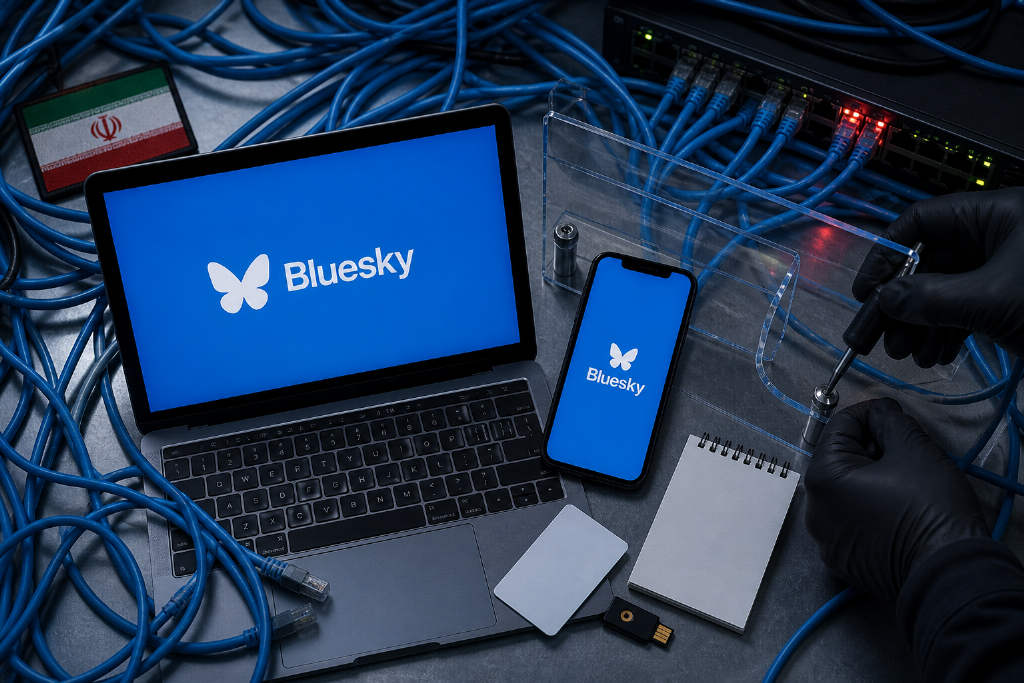
Bluesky says recent outage was caused by a DDoS attack

Bluesky said its recent service disruption was caused by a distributed denial-of-service, or DDoS, attack that flooded the site with junk traffic and overwhelmed its resources. The decentralized social platform said it has upgraded its defenses and is continuing to monitor the situation. Security researchers said attackers with an Iranian background have claimed responsibility for the incident. The episode marks the second large-scale DDoS attack to hit Bluesky in recent months. In April, the platform suffered a prolonged outage after a similar traffic flood. It is still unclear whether the two attacks are connected. The development was reported by TechCrunch and cited by Techub.

1080
Bluesky says recent outage was caused by a DDoS attack
Base
Jul 17, 2026

Base backs away from its social push, but that does not mean decentralized social is dead

Base’s retreat from social and creator-token experiments has turned into a public admission of failure from the people who championed the strategy. On July 15 and 16, Jesse Pollak said on X that he had been “definitively wrong” on social and creator coins, describing the first quarter of 2026 as a “punch in the face.” Coinbase CEO Brian Armstrong had already said content coins “didn’t work” and wrote, “We messed up, time to turn the page.” Base App has since been handed back to Coinbase, with Jordan Fish taking over, while Pollak returns to product and engineering work around Base’s broader financial infrastructure ambitions. The article argues that Base did not fail because decentralized social is inherently unworkable. It failed because token incentives were placed ahead of social behavior itself. Zora’s token fell from a market cap of about $550 million to roughly $30 million, while Farcaster’s activity and revenue metrics also slid sharply after earlier hype around Frames. By contrast, the piece points to Bluesky and Hive as examples of projects on the same broad track that chose different models. One removed token speculation at the product layer; the other treated tokens as rewards rather than the purpose. The broader conclusion is that the real challenge is not whether decentralized social can exist, but whether builders are willing to prioritize censorship resistance, data portability, privacy, open infrastructure, and sustainable governance over growth driven by speculation.

1910
Base backs away from its social push, but that does not mean decentralized social is dead