DeFi
Nov 3, 2026

DeFi groups split over SEC test for crypto vaults as Aave-backed filing rejects human-control standard

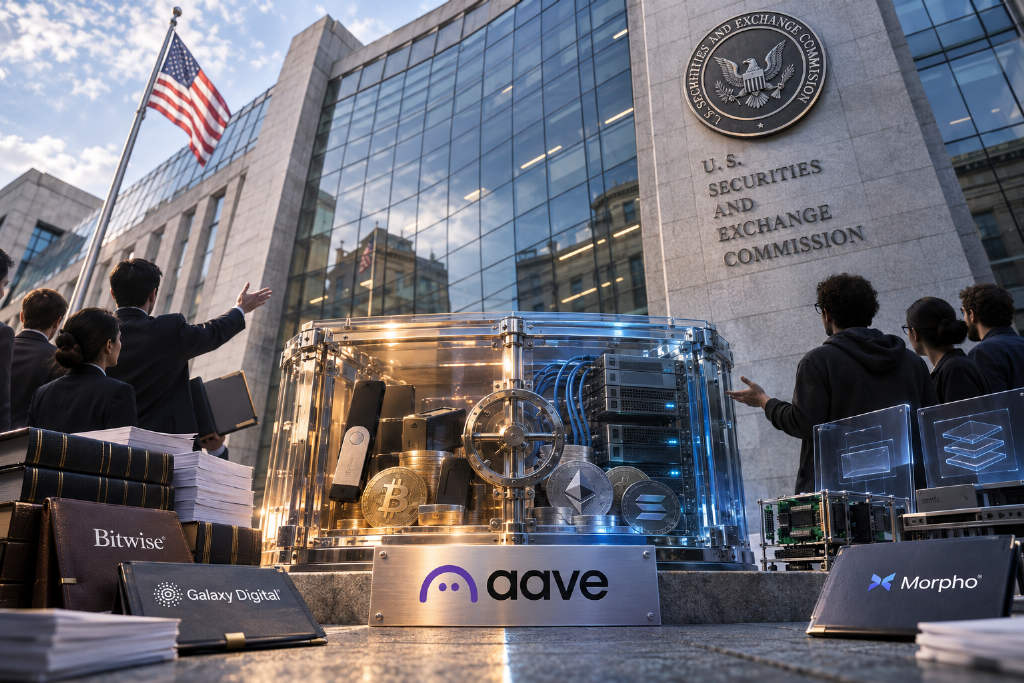
A policy split has emerged inside the DeFi sector over how the U.S. Securities and Exchange Commission should assess crypto vaults. Crypto Council for Innovation, together with Bitwise, Galaxy Digital and Morpho, previously sent the SEC a 238-page report laying out a framework for deciding when a crypto vault should be treated as a security. In that filing, the degree of control and discretion exercised by a human manager over a vault’s investment strategy was presented as an important factor. Aave Labs, Veda Tech Labs and Kamino Foundation responded with a separate legal analysis that pushed back on that approach. Their position is that active human management alone should not trigger securities regulation for a DeFi protocol if users still retain rights to their assets and there is no legally recognized common investment enterprise or issuing entity. Both sides, however, agree on one point: paid investment advice involving securities may still fall under the Investment Advisers Act. The disagreement highlights the difficulty the SEC faces in drawing a line between decentralized finance software and regulated investment products.
900
DeFi groups split over SEC test for crypto vaults as Aave-backed filing rejects human-control standard
Policy and Regulation
Oct 6, 2026

CCI Pushes Back on ICBA Lawsuit Against OCC Over Crypto Trust Bank Charters

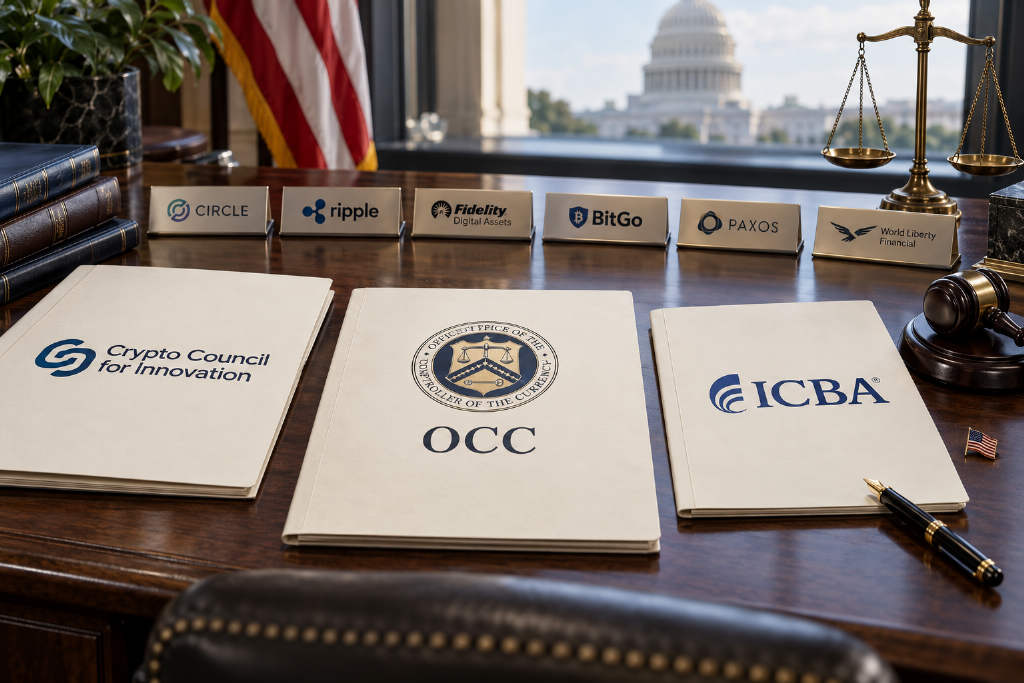
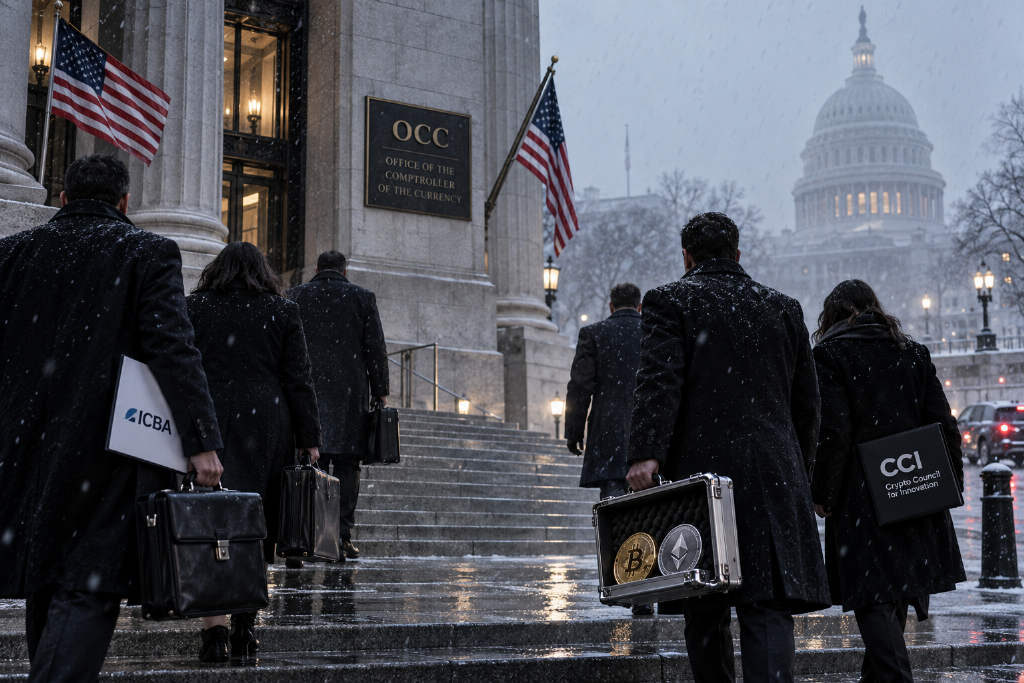
Crypto Council for Innovation has pushed back against a lawsuit filed by the Independent Community Bankers of America against the Office of the Comptroller of the Currency, arguing that national trust bank charters for crypto firms represent lawful competition and financial innovation rather than regulatory evasion. CCI CEO Ji Hun Kim said the case is a direct attempt to resist national trust charters, payment innovation, and competition in financial services, while adding that the group remains confident the OCC will continue approving such applications. The dispute centers on whether crypto companies can obtain the credibility and market access associated with federal banking charters without meeting the same obligations imposed on insured depository institutions. ICBA said Congress did not create the national trust charter to give crypto firms a back door into the banking system while avoiding Community Reinvestment Act duties, uniform supervision, capital and liquidity standards, and FDIC deposit insurance requirements. The report says the OCC has approved or conditionally approved charter applications tied to World Liberty Financial, Circle, Ripple, Fidelity Digital Assets, BitGo, and Paxos during Donald Trump’s presidency. The approvals have drawn scrutiny from lawmakers in both parties, with particular attention on World Liberty Financial and questions raised by Senator Elizabeth Warren through the Senate Banking Committee.

1050
CCI Pushes Back on ICBA Lawsuit Against OCC Over Crypto Trust Bank Charters
Policy Regulation
Oct 5, 2026

CCI backs OCC crypto charters as banking group challenges approvals in court

The Crypto Council for Innovation has defended the Office of the Comptroller of the Currency’s decision to approve or conditionally approve national trust charters for several crypto firms, even as the Independent Community Bankers of America moves to block those approvals in court. CCI CEO Ji Hun Kim said the group remains confident in the OCC’s charter decisions and described the lawsuit as an effort to resist payments innovation, national trust charters and competition in financial services. The ICBA, however, argues that the OCC granted charters to entities including crypto companies without the safeguards and compliance standards normally applied to banks. Its statement said Congress did not create the national trust charter as a way for crypto firms to gain the credibility of a federal bank charter without obligations such as Community Reinvestment Act requirements, consolidated supervision, capital and liquidity standards, and FDIC insurance. Firms named among the approved or conditionally approved applicants include World Liberty Financial, Circle, Ripple, Fidelity Digital Assets, BitGo and Paxos.

960
CCI backs OCC crypto charters as banking group challenges approvals in court
Policy Regulation
Oct 5, 2026

ICBA challenges OCC over crypto bank charters as CCI backs the regulator

The Independent Community Bankers of America, or ICBA, has accused the Office of the Comptroller of the Currency (OCC) of lacking adequate regulatory safeguards when granting bank charters to crypto companies. On the other side, crypto lobbying group CCI voiced support for the OCC and said the lawsuit is aimed at choking off financial innovation. The dispute puts a regulatory question around how crypto firms may seek banking access and how far federal oversight should extend when such charters are issued. The brief exchange of claims highlights a split between traditional banking interests and crypto advocates over the OCC’s role.

1180
ICBA challenges OCC over crypto bank charters as CCI backs the regulator
Policy Regulation
Sep 9, 2026

CCI and Blockchain Association seek injunction against Illinois digital asset transaction tax

The Crypto Council for Innovation, or CCI, and the Blockchain Association filed a motion for a preliminary injunction on Wednesday in the Sangamon County Circuit Court of Illinois, according to CoinDesk, asking the court to halt enforcement of the state’s digital asset transaction tax while their lawsuit proceeds. The tax is set at 0.2% and would apply to entities headquartered in Illinois or offering services in the state if their gross revenue exceeds $100,000. It is scheduled to take effect on Jan. 1, 2027. The two lobbying groups, together with The Digital Chamber, sued Illinois last month, arguing that the tax violates the Internet Tax Freedom Act and the U.S. Constitution, and that the state is treating digital assets differently from other financial services. CCI CEO Ji Hun Kim said companies are being forced to spend millions of dollars on compliance systems even though basic questions, including what exactly is being taxed and when, remain unresolved. Blockchain Association CEO Summer Mersinger said Illinois would not be the last state to try such a measure if the law stands.

1500
CCI and Blockchain Association seek injunction against Illinois digital asset transaction tax
SEC
Sep 3, 2026

SEC Publishes Responses on Novel ETFs That Could Hold Crypto Assets

The U.S. Securities and Exchange Commission has published comment responses on proposed “Novel ETFs,” a category that could include funds holding crypto assets or using unconventional strategies. The debate centers on two procedural questions: whether filing documents should remain public before a fund begins trading, and how quickly the review process should move. Grayscale and the Crypto Council for Innovation backed an optional confidential filing period, arguing it could reduce copycat submissions from competitors. Charles Schwab pushed back on full confidentiality and said filings should be disclosed at least 75 days in advance. On timing, Grayscale asked the SEC to respond within 45 days, while CCI said any confidential process should not extend automatic effectiveness or review deadlines. Andreessen Horowitz supported faster reviews without weakening scrutiny, while Jane Street warned that speeding up the process could hurt product quality, competitiveness, and liquidity. The SEC will now decide whether to change confidentiality arrangements and review speed for these filings.

1430
SEC Publishes Responses on Novel ETFs That Could Hold Crypto Assets
Illinois
Aug 24, 2026

CCI and Blockchain Association Sue Illinois Officials Over 0.2% Digital Asset Tax

Digital asset advocacy groups Crypto Council for Innovation (CCI) and Blockchain Association (BA) have filed suit against Illinois officials over the state’s proposed 0.2% crypto tax. The complaint was submitted in Sangamon County’s Seventh Judicial Circuit Court and says the levy would take effect in January 2027. It is calculated on transaction volume rather than income. The groups argue that the tax violates the U.S. Constitution, the Illinois Constitution, federal and state due process laws, and the Internet Tax Freedom Act. They also say the rule is too vague, could lead to double taxation, and shifts compliance burdens onto residents and brokers while exposing them to civil and criminal penalties. Blockchain Association CEO Summer Mersinger said Illinois cannot impose a tax regime that discriminates against digital commerce or adds uncertainty for consumers and businesses. Digital Chamber filed a similar lawsuit in July, saying the tax discriminates against digital asset traders.

1780
CCI and Blockchain Association Sue Illinois Officials Over 0.2% Digital Asset Tax
Illinois
Aug 22, 2026

CCI and Blockchain Association sue over Illinois digital asset tax at 0.2% of transaction value

The Crypto Innovation Council (CCI) and the Blockchain Association have filed suit in Sangamon County, Illinois, challenging the state’s newly enacted digital asset tax. The law requires businesses that trade or store cryptocurrency for customers in Illinois to pay a tax equal to 0.2% of the transaction value. The plaintiffs say it violates the U.S. Constitution, the Illinois Constitution and the Internet Tax Freedom Act. The tax also applies to companies headquartered in Illinois or serving state residents with more than $100,000 in total revenue, and Illinois expects it to raise about $60 million for the state budget. Critics argue the levy is based on transaction value, so it must be paid even when a trader loses money on a crypto transaction.

1680
CCI and Blockchain Association sue over Illinois digital asset tax at 0.2% of transaction value
Total 10 items
Go topage