Why Use-Value Assets Rarely Deliver 100-Fold Returns
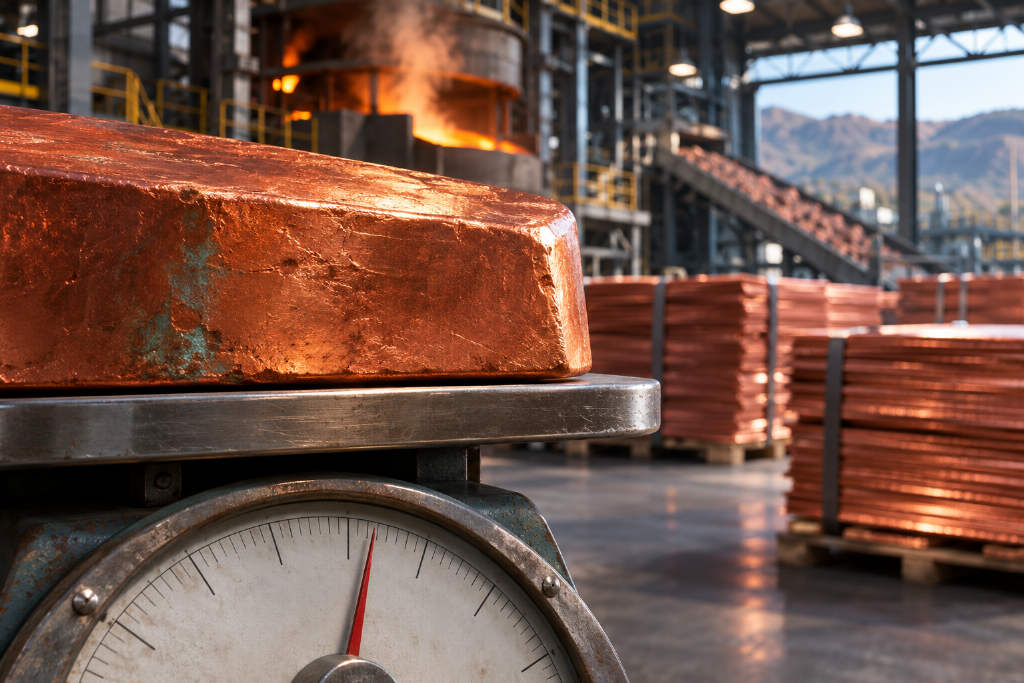
The second category of assets discussed in the article consists of assets that have practical use but do not generate cash flow. Commodities such as copper, aluminum, silver, grain, oil and natural gas fall into this group. Their investment case can be assessed through production, consumption, costs, market prices and supply-demand gaps, creating a basis for judging whether prices have moved far above or below historical norms. When prices diverge sharply from supply-demand conditions, mean reversion may create an investable spread. The article cites Warren Buffett’s silver purchases during a period of tight supply and severe undervaluation as a representative example, and also links earlier opportunities in oil and platinum to the same logic. Such opportunities are limited because market forces tend to correct large deviations: excess supply pushes some producers out, while strong demand attracts new producers. Price distortions may last months, a year or a few years, but rarely a decade or longer. As a result, these assets generally lack the conditions for a 100-fold gain over 20 to 40 years, and identifying short-lived mispricing is difficult for most ordinary investors.