Anthropic
Nov 7, 2026

Anthropic’s IPO Faces a Valuation Reckoning as AI Stocks Sell Off

Anthropic’s planned public offering is facing pressure from a broad sell-off in technology stocks, doubts over data-center expansion and a valuation reset that has taken expectations from $2 trillion to as low as $1.1 trillion. The company had been viewed as a candidate for the largest IPO fundraising event in global capital markets, but investors are now questioning whether it can launch a roadshow during the week of Nov. 9 and complete a listing in November. Anthropic has not announced a final offering price or listing date. Its latest filing reported third-quarter revenue of $16.956 billion and long-term computing purchase and lease commitments of $895.4 billion. The company held about $131.9 billion in cash and short-term investments as of Sept. 30. At the same time, key Claude Code employees Cat Wu and Austin Lau joined OpenAI. OpenAI is also raising capital, with its target reduced from about $30 billion to $20 billion and its valuation target cut to $1.25 trillion. The IPO could become a public-market reference point for valuing frontier AI companies, but the financing environment has become less accommodating.


390
Anthropic’s IPO Faces a Valuation Reckoning as AI Stocks Sell Off
ChainCatcher
Nov 2, 2026

Quarterly filings from 76 STAR Market chip designers show broad revenue growth, led by memory and computing

Quarterly reports from 76 chip design companies listed on Shanghai’s STAR Market point to a broad recovery across the sector, according to statistics cited by ChainCatcher from Cailian Press Venture Capital Connect. Of the 76 companies that have disclosed third-quarter results, 67 posted revenue growth, representing 88.16% of the total, while 53 reported positive net profit attributable to shareholders, or 69.74%. The data highlighted two areas with the strongest earnings elasticity: memory and computing power. In memory, ChangXin Technology reported revenue of 269.024 billion yuan in the first three quarters, up 738.5% year over year. Biwin Storage posted 21.717 billion yuan, up 230.3%, while Dosilicon reported 3.292 billion yuan, up about 475%. Computing and interconnect followed closely. Cambricon reported revenue of 9.526 billion yuan, up 106.8%; Hygon Information posted 14.955 billion yuan, up 57.6%; and Montage Technology reported 5.414 billion yuan, up 33.4%. The figures also showed improving profitability: among 28 companies that were loss-making in the same period last year, 13 returned to profit and six narrowed their losses. The report said the chip design segment has entered a phase of structural strength driven by demand for AI infrastructure.

770
Quarterly filings from 76 STAR Market chip designers show broad revenue growth, led by memory and computing
Anthropic
Oct 29, 2026

Report says Anthropic became the largest customer of SpaceX's AI unit

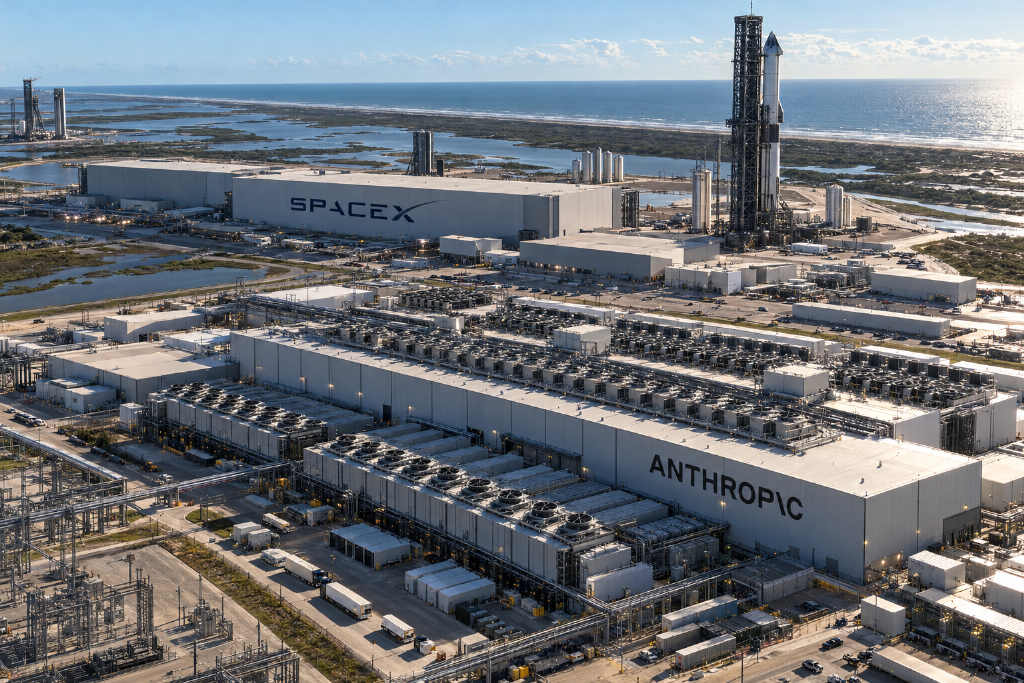
A market report cited by ChainCatcher said Anthropic is paying computing fees to an AI division under SpaceX. The same report said Anthropic accounted for 34.5% of SpaceX's revenue in the third quarter, making it the company's largest customer. No additional details were provided in the brief, and the claim was presented as a market-sourced report rather than a direct statement from either company. The update focused on the reported commercial relationship between Anthropic and the SpaceX AI business, as well as Anthropic's reported share of quarterly revenue. ChainCatcher published the item as a short market update.

670
Report says Anthropic became the largest customer of SpaceX's AI unit
NVIDIA
Oct 21, 2026

NVIDIA says extreme co-design drove a million-fold gain in AI performance over 10 years

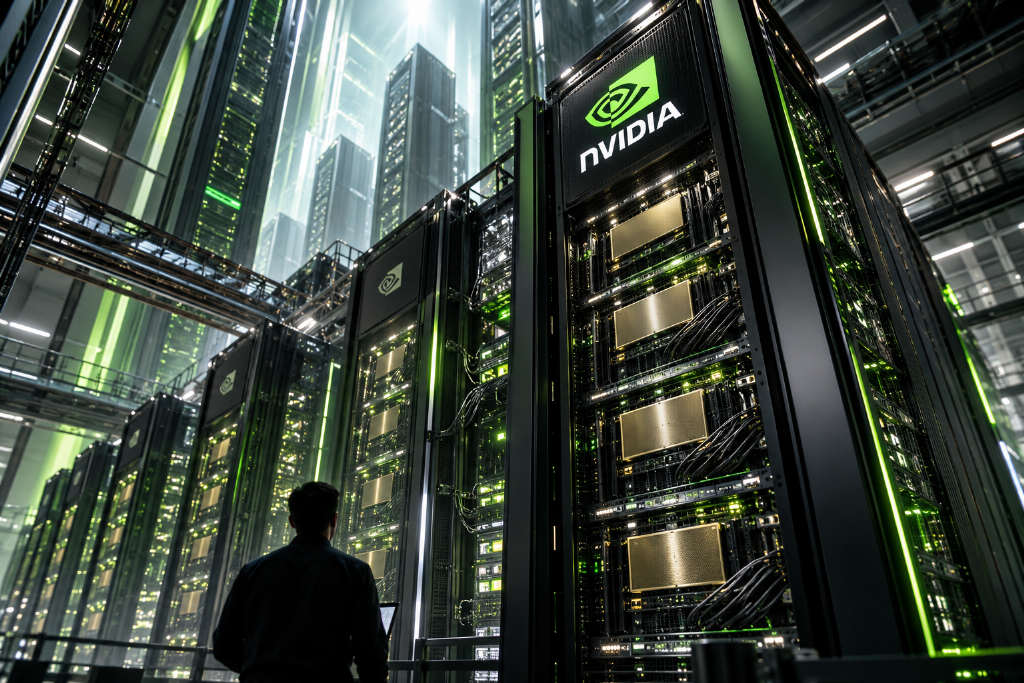
NVIDIA said in a post on its official social media account that its "extreme co-design" approach has accelerated AI performance by 1,000,000x over the past decade. The company added that it does not plan to stop there. The update was cited by Techub News, and the original post was attributed to @nvidia. No additional technical details, benchmarks, or product references were provided in the source text. The statement focused on NVIDIA’s description of long-term AI performance gains and its intention to keep pushing beyond that level. The source item was categorized under technology trends.

751
NVIDIA says extreme co-design drove a million-fold gain in AI performance over 10 years
OpenAI
Sep 9, 2026

New York Times: OpenAI expects computing spend to reach $750 billion by 2030

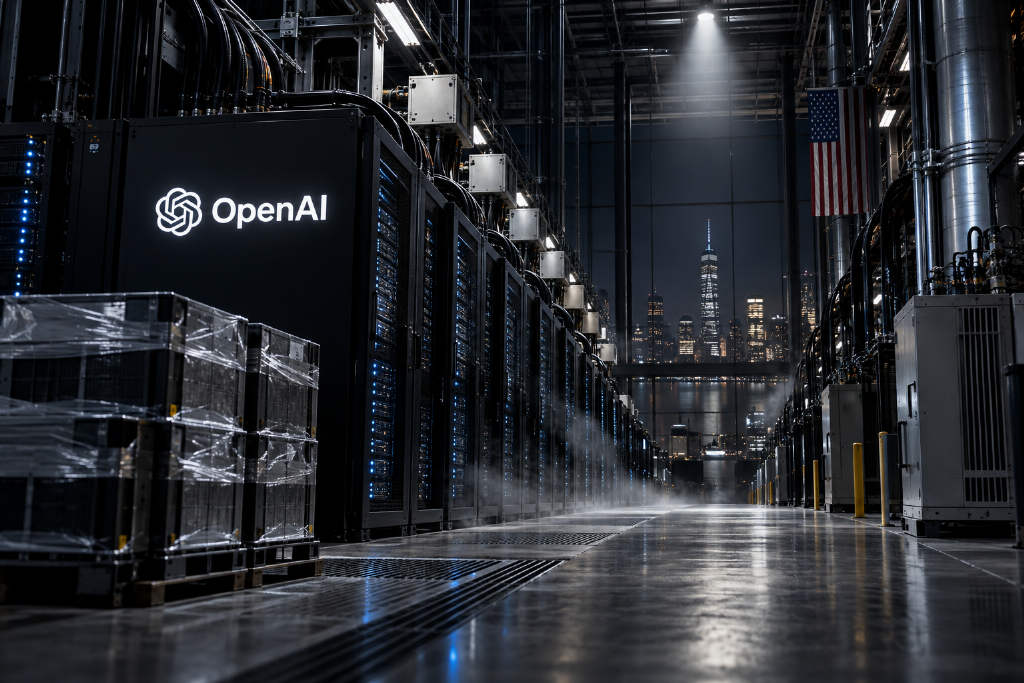
OpenAI expects its computing expenses to climb to $750 billion by 2030, according to a report by The New York Times cited by ChainCatcher. The brief did not provide additional details on how the figure was calculated, what categories of computing costs were included, or how the spending would be distributed over time. ChainCatcher attributed the information directly to The New York Times in a short newsflash published on Sept. 9, 2026. No further breakdown of infrastructure, chips, data center investment, or related capital commitments was included in the source text.

1090
New York Times: OpenAI expects computing spend to reach $750 billion by 2030
B.AI
Sep 3, 2026

B.AI Surpasses 2.3 Million Users, Positioning as Intelligent Global Settlement Layer

B.AI, a one-stop AGI infrastructure platform, announced on September 3 that its cumulative user count has exceeded 2.3 million. The platform describes itself as an intelligent global settlement layer connecting models, agents, and value transfer. It services through optimized computing costs, aggregated large models, and intelligent routing scheduling, with products including LLM Services, BAIclaw, MCP, and Agent payment, covering model invocation, agent execution, and value settlement.

1670
B.AI Surpasses 2.3 Million Users, Positioning as Intelligent Global Settlement Layer
Foresight
Jul 10, 2026

Foresight Says Computing Is Being Drawn Into a Broad Capital Market

Foresight said in a brief market analysis that computing is being incorporated into a broad capital market, drawing a comparison to how electricity entered capital markets in the 1990s. The source text was short and did not include additional details such as specific companies, protocols, timelines beyond the analogy, or supporting market data. As presented, the item centers on a single macro framing: computing is moving from a purely technical resource toward an asset class or economic input that can be priced and allocated within a larger capital market structure. No further elaboration was provided in the source.

1630
Foresight Says Computing Is Being Drawn Into a Broad Capital Market