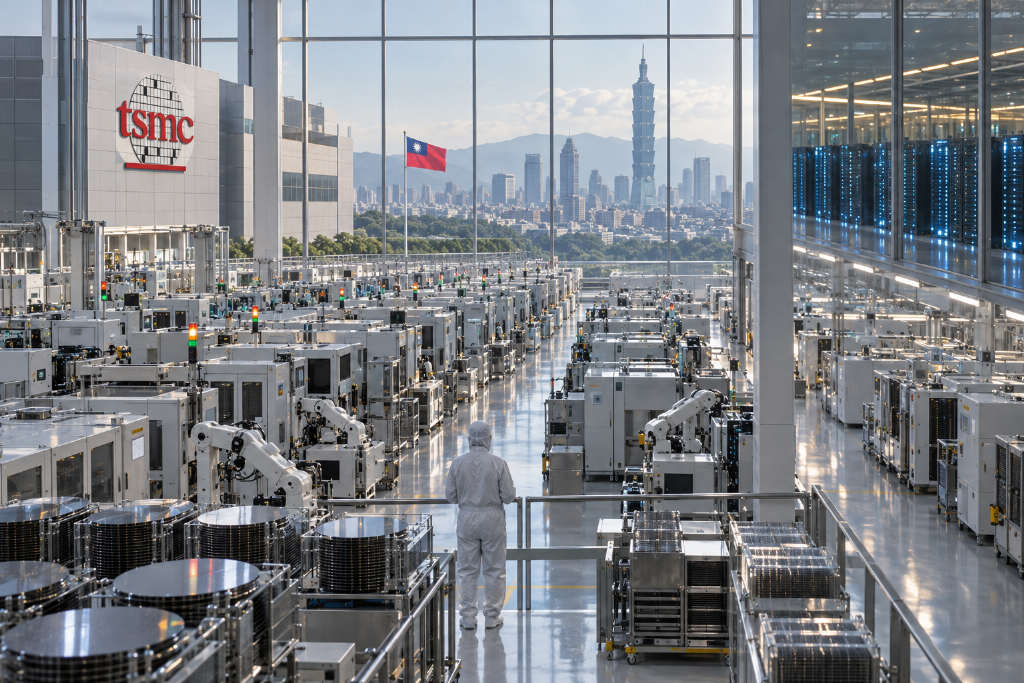
ChainCatcher2026-09-09 00:54:48DIGITIMES says mature-node chip tightness may last beyond 2028According to a report cited by ChainCatcher from DIGITIMES, companies in IC design and the broader semiconductor sector broadly expect the current supply-demand tightness in mature-node chips to last longer than previously anticipated. A common industry view is that chipmakers and customers will still be competing aggressively for production capacity through at least 2028, with price increases potentially becoming a normal feature of the market during that period. Some opinions cited in the report go even further, saying supply and demand for mature-node chips may still not return to a stable balance by 2030. People in the IC design industry also said end-market conditions are not especially strong overall at the moment. Instead, the main pressure is coming from cloud AI demand, which has reached a very large scale and is still expanding.1140
Digitimes2026-08-25 06:37:47Digitimes says major cloud providers may shift focus to efficiency in H2 2026Research firm Digitimes said major cloud service providers are expected to place greater emphasis on operational efficiency and financial discipline in the second half of 2026 as AI-driven infrastructure spending continues to surge. The note points to strong recent growth across the sector: Amazon, Alphabet and Microsoft posted a combined $106.3 billion in second-quarter cloud revenue, with annual growth accelerating to 43%. Digitimes also said those companies are expected to raise total capital expenditure to $745 billion. The update highlights how heavy AI infrastructure investment is shaping spending priorities for the largest cloud platforms while pushing management teams to pay closer attention to returns and cost control.1110
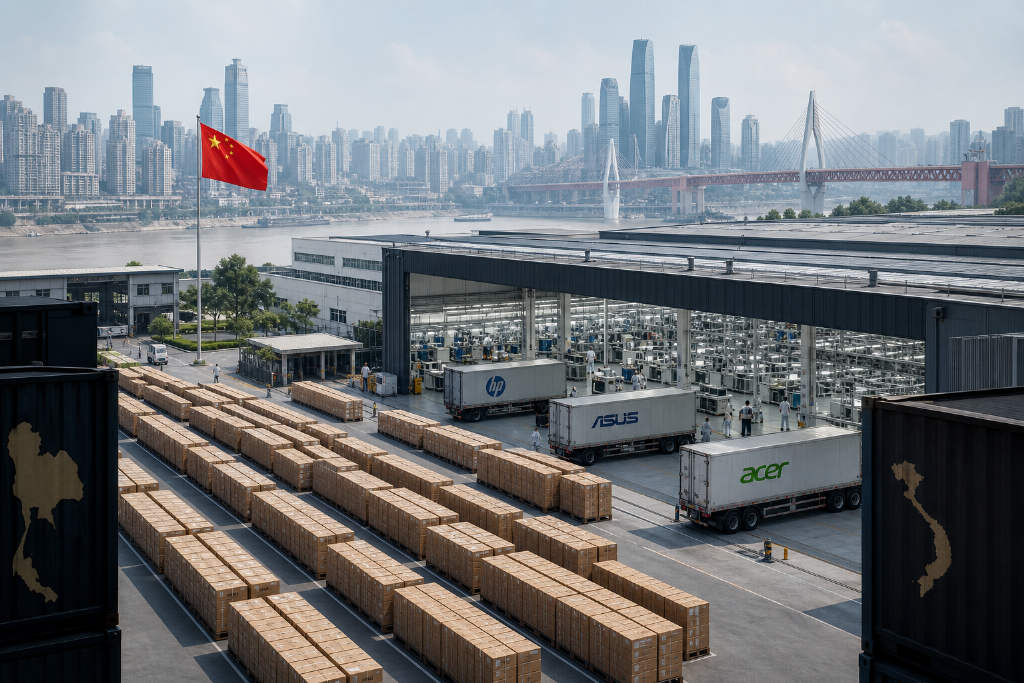
Policy and Re2026-08-24 02:01:43DIGITIMES says laptop brands are scaling back Southeast Asia output and shifting production back to ChinaA new report cited by ChainCatcher says notebook computer brands are pulling back from earlier plans to move more production into Southeast Asia, with manufacturing focus returning to Chongqing and Kunshan in China. According to DIGITIMES, HP, ASUS and Acer have recently made visible cuts to the capacity they had planned to relocate, while also increasing orders and white-label production with Chinese ODM and EMS suppliers. The shift could affect production lines at Quanta and Inventec in Thailand, as well as Compal and Wistron in Vietnam. The report says Lenovo, Dell and Apple have so far shown less movement. Supply chain sources cited two main reasons for the change: a lower-than-expected hit from replacement tariffs after the U.S. reciprocal tariffs were ruled unconstitutional by the federal Supreme Court, and a cost gap that leaves notebook production in Southeast Asia averaging $9 more per unit than in China. With gross margins on a single notebook often sitting between 3% and 10%, and lower-priced models averaging about $300, that difference can wipe out most or all profit. The report also says local governments in China are pushing for higher output and may reclaim past subsidies if production does not rise.2350
DigiTimes2026-08-03 23:51:41DigiTimes says 2027 DRAM and HBM capacity is already sold outDigiTimes reported that all DRAM and HBM production capacity for 2027 has already been booked, pointing to a tight supply picture that is also spreading to NAND flash. While NAND availability is less constrained than DRAM at this stage, the report said reservations for 2027 NAND capacity are also expected to be completed by the end of this month. Supply chain sources cited by DigiTimes said some companies have avoided publicly acknowledging that they need to lock in memory supply within the month, worried that more competitors could enter the race for capacity and further reduce their own allotments. The report added that memory makers are currently delivering only 60% to 70% of customers’ original requested volumes, while giving priority to cloud service providers and large AI companies. As a result, smartphone and PC manufacturers are expected to secure notably less DRAM in 2027 than in 2026. DigiTimes also said companies that have not finalized procurement volumes could face an even worse situation next year, with limited ability to buy supply even if they want it. It added that elevated memory prices are likely to remain the norm.2410
SpaceX2026-07-23 04:01:03SpaceX’s Texas PCB line seen as limited threat to Taiwanese satellite board suppliersConcerns that SpaceX’s decision to move its PCB production line from Los Angeles to Texas could disrupt orders for Taiwanese satellite-board makers have eased after a DIGITIMES report said the new facility is not positioned for commercial-scale output. The report said the Texas operation has yields well below those of Taiwanese manufacturers and is focused mainly on low-volume, highly confidential orders tied to the U.S. defense and military industrial system. Industry sources familiar with the satellite sector said SpaceX still relies heavily on non-China capacity operated by Taiwanese and Japanese PCB makers in Southeast Asia, including plants in Thailand and Vietnam. Taiwanese suppliers also said the current allocation of SpaceX satellite orders has not changed and that the Texas capacity is unlikely to pose a meaningful threat over the next three years. Against that backdrop, Compeq Manufacturing and Unitech Printed Circuit Board were described as remaining in place within the satellite supply chain, while upstream copper clad laminate suppliers Taiwan Union Technology and Elite Material continue to hold material positions. The report also said material shortages are beginning to ease, with second-quarter pull-in momentum expected to recover and Thai factory expansion plans at key suppliers set to support future demand.1140
AI2026-07-12 07:11:19DigiTimes says HBM4 pricing could reach $4-$5 per kilobit in the second half of 2026A DigiTimes report said next-generation HBM4 pricing could rise from $2 per kilobit to $4-$5 or higher in the second half of 2026, as AI demand accelerates and structural capacity constraints tighten supply. The report points to two main drivers. First, HBM4 is difficult to manufacture: production takes four to six months, and initial yields are meaningfully low. Second, HBM production consumes about three times the wafer capacity required for standard DDR5 DRAM, limiting how much total memory output manufacturers can produce with existing facilities. The item was cited by BlockBeats on July 12, with Jin10 referenced as the source carrying the report details. The report focuses on memory pricing pressure tied to supply-side bottlenecks rather than a short-term market move.1520