New U.S. drone tariffs take effect, with some China-made models facing 100% duties
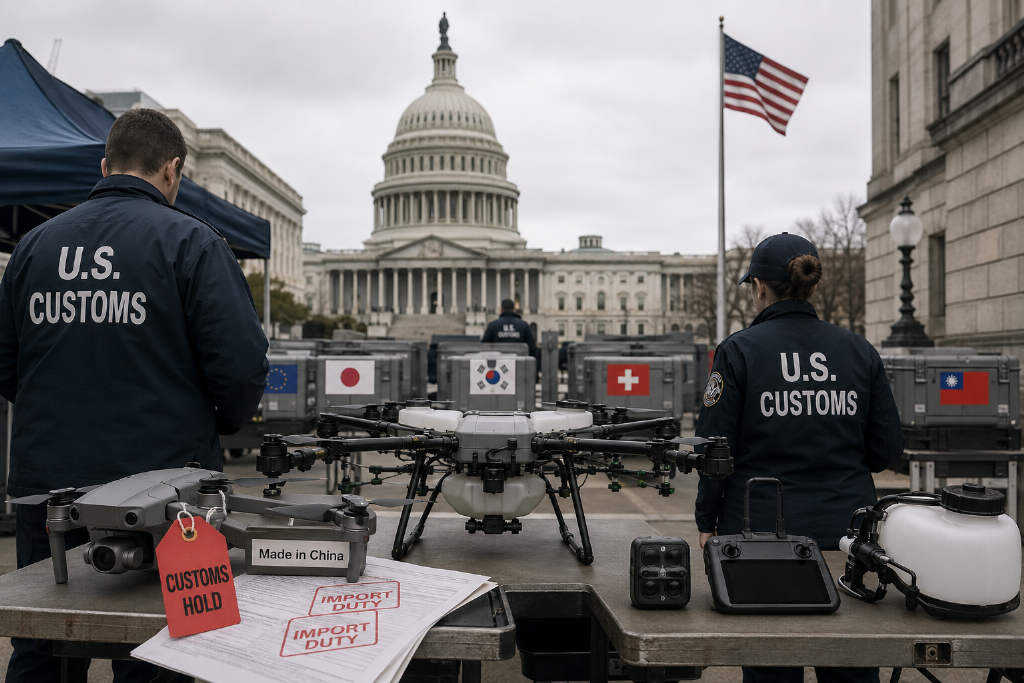
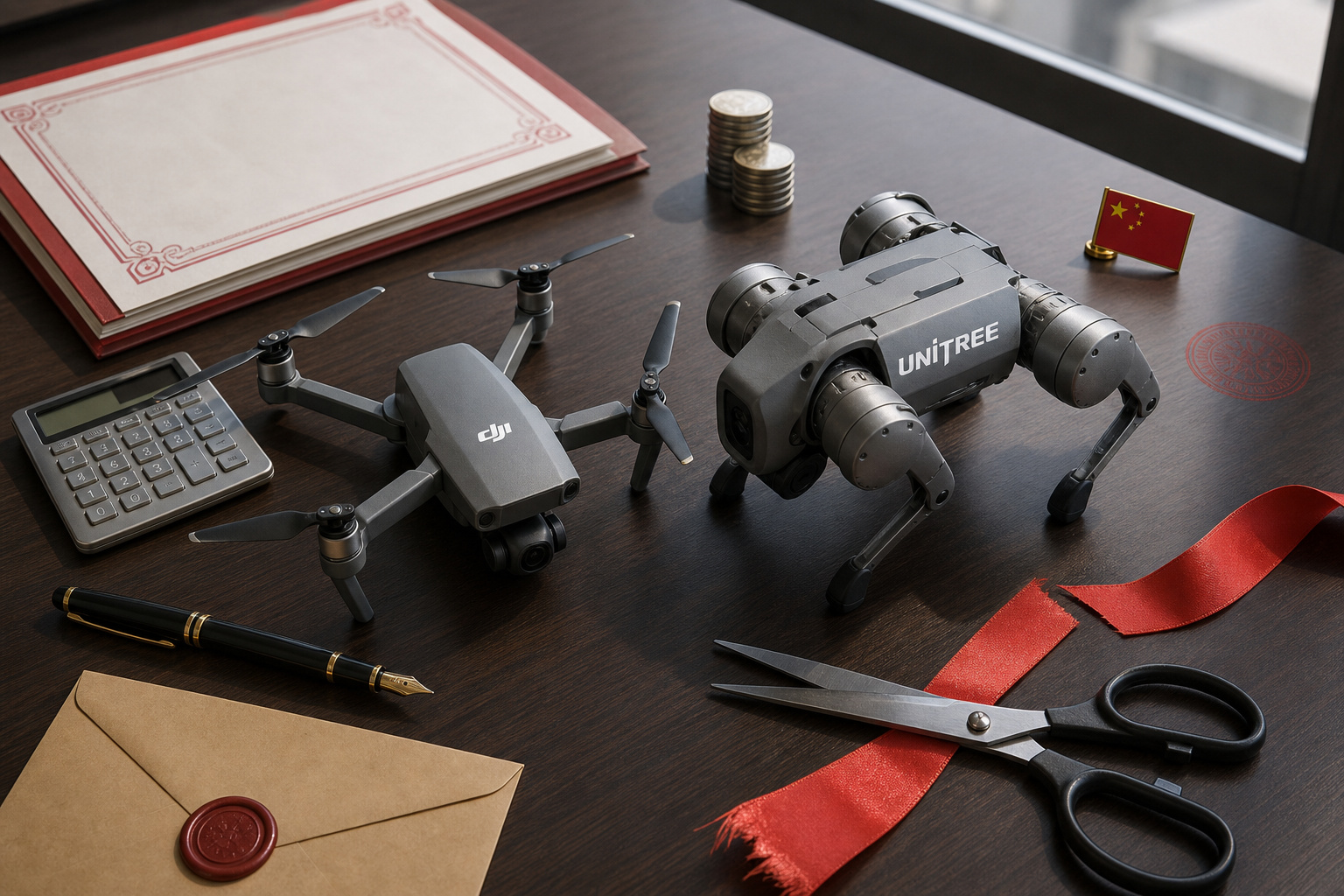
A new U.S. tariff regime on imported drones took effect on Sept. 3, setting rates from 10% to 100% depending on weight, features and country of origin. China-made drones face the steepest hit, with some models and key components subject to 100% duties. Manufacturers in the European Union, Japan, South Korea, Switzerland and Taiwan fall under a 15% rate, but only if their hardware and technology originate locally or in the U.S. The U.K. remains at 10%. The tariff package stems from President Donald Trump’s Aug. 13 proclamation under Section 232 of the Trade Expansion Act, after the U.S. Commerce Department concluded that heavy reliance on foreign drones and parts posed a national security risk. DJI, the Shenzhen-based market leader, appears to be the main target. The report says DJI holds more than two-thirds of the global drone market and over 70% of the commercial segment. At the same time, the Federal Communications Commission is moving ahead with tighter restrictions on foreign-made drones. Those steps could extend beyond new models to older ones and potentially reclassify drones using thermal imaging or agricultural spraying technology as military-grade. The combined effect could raise costs for U.S. businesses, public agencies, fire departments and search-and-rescue operations that already rely on such aircraft.