Four Pillars says DTCC’s new tokenization service is live, but for now it mainly improves collateral transfers
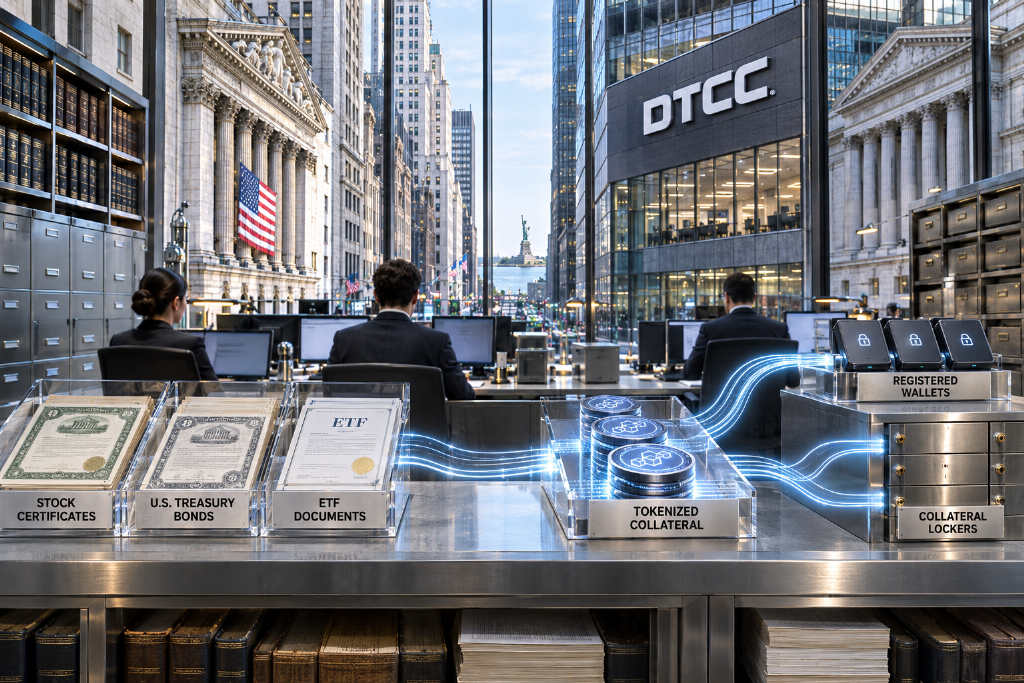
A new report from Four Pillars argues that the Depository Trust & Clearing Corporation’s launch of DTCC Tokenized Securities, or DTS, is a meaningful institutional milestone for blockchain adoption in U.S. capital markets, but its immediate impact is narrower than some market narratives suggest. The service became possible after the U.S. Securities and Exchange Commission issued a no-action letter to The Depository Trust Company in December last year, allowing a limited tokenization program under strict conditions. Eligible assets are restricted to Russell 1000 stocks, U.S. Treasuries, and ETFs tracking major indexes, while tokenized positions can move only between wallets registered with DTC. The report says DTS does create practical gains. Once securities are tokenized, they can be transferred on a 24/7 basis and moved nearly in real time onchain, which could make collateral mobility more efficient. Smart contracts may also automate selected compliance and distribution-related functions. Even so, the underlying ownership structure, custody setup, official recordkeeping, and broader market relationships remain largely unchanged. DTC still keeps the books, the securities remain registered in the name of Cede & Co., and cash payments such as dividends and interest continue to move through traditional fiat rails. Four Pillars also stresses that DTS is not a delivery-versus-payment system. Under the SEC framework, it operates as a Free of Value service, meaning tokenized securities transfers are not directly tied to cash settlement. Institutions that want DvP transactions would need separate payment infrastructure, such as stablecoins or other forms of digital cash, plus a mechanism to coordinate both legs of the trade.