Porsche
Oct 2, 2026

Porsche winds down Web3 project launched in 2023

Porsche is shutting down the Web3 project it launched in 2023, according to The Block. Holders will still be able to keep their PORSCHΞ 911 NFTs after the project is closed. At the same time, the project’s PIONΞERS Discord server will be switched to read-only mode, and updates from the @eth_porsche account will come to an end. The report points to a formal wind-down of Porsche’s Web3 presence tied to the NFT initiative, while leaving existing holders in possession of their tokens.

930

Porsche winds down Web3 project launched in 2023
Linera
Sep 19, 2026

Linera scales back operations after token sale misses minimum target

Layer1 blockchain project Linera has begun scaling back operations after its token sale on the Sonar platform failed to meet the minimum fundraising threshold. The sale drew nearly $900,000 in commitments, but the team returned all funds after the round fell short. Linera had previously raised about $12 million, with a16z Crypto among its backers. According to crypto.news, the project also failed to secure enough money in emergency fundraising talks to keep development going. The team now plans to gradually shut down its application and Discord community. Linera said community points balances will be preserved, but it did not promise that those points will be redeemable for tokens or any other rights in the future. The project also did not provide a new timeline for its mainnet launch. The update marks a sharp setback for the Layer1 project as it moves from fundraising efforts to an operational wind-down.

1430
Linera scales back operations after token sale misses minimum target
OpenClaw
Aug 11, 2026

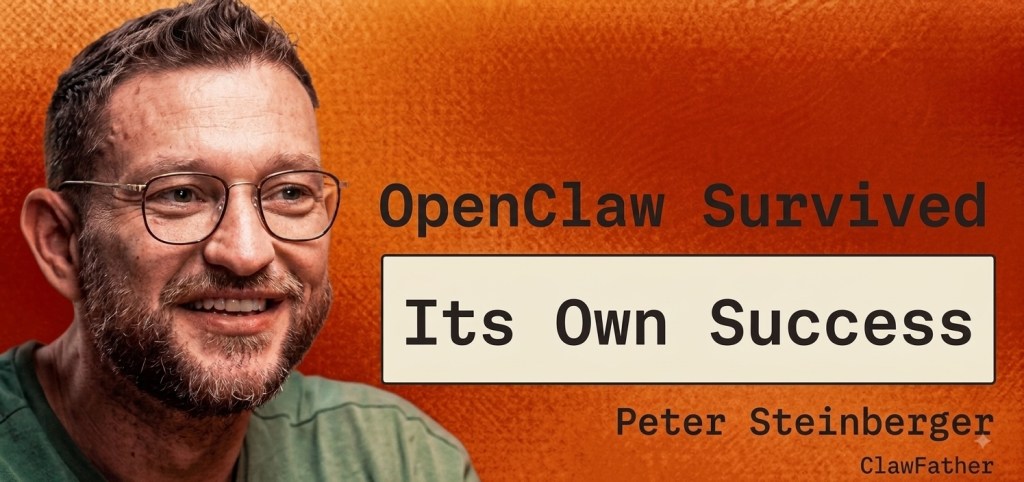
OpenClaw founder says NVIDIA stepped in after viral growth pushed him to the brink

OpenClaw founder Peter Steinberger used a talk at Y Combinator’s startup school to lay out how the open-source AI agent project went from a personal fix to a breakout hit, and how that success almost led him to shut it down. Steinberger said the idea started on a rainy day when he became frustrated that he could not send prompts from his phone to his computer to check on an AI coding agent while he stepped away for food. He opened a new terminal, let the model work, and about an hour later built a WhatsApp Relay that could exchange two-way messages between a Mac and WhatsApp. That relay later evolved into a broader project. After limited response on X, Steinberger added the tool to a friends’ group chat and saw a much stronger reaction, including frustration from non-technical friends who wanted access. A user then submitted a pull request asking for Discord support, which led him to rename the project Claudius and rush out a rough message compaction feature on New Year’s Eve. The project then spread quickly after a failed shutdown attempt: Steinberger hit Ctrl + C, went to sleep, and only later realized the bot had been set up as a launch daemon and had restarted automatically after five seconds. He said the project later reached 4.7 million downloads in a week, but the attention brought harassment, hacking attempts, leaked personal details and severe anxiety. According to Steinberger, NVIDIA later contacted him and assigned a team to take over most of OpenClaw’s security work.

2600
OpenClaw founder says NVIDIA stepped in after viral growth pushed him to the brink
Policy Regulation
Aug 11, 2026

Mainland China staking-mining crypto scam exposed, with losses topping $3 million yuan

An investigation cited by BlockBeats on Aug. 11 said reporters from Qilu Evening News uncovered a virtual currency scam operation in mainland China built around fake "staking mining" offers. The scheme reportedly used a long grooming period and a highly disguised, assembly-line workflow. Scammers first approached targets on social platforms as ordinary users, then spent one to two months building trust through carefully crafted personal profiles, including claims such as running a maternity and baby store in Hong Kong, showing emotional attentiveness, and even mailing "Wong Tai Sin" amulets, while avoiding any early mention of investment. After trust was established, victims were moved to overseas private messaging apps including WhatsApp and Discord, where chat records could be deleted by both sides more easily. The suspects then pitched a "zero-risk" passive-income product tied to idle computing power and staking mining, persuading victims to download overseas crypto wallets and authorize fake mining contracts. According to the report, those contracts actually granted asset transfer permissions, allowing funds to be moved from accounts without a password. Small early payouts were also used to create the impression of genuine returns and draw in larger deposits. More than 30 victims have been identified so far, with total losses exceeding 3 million yuan and the biggest single loss above 300,000 yuan across several provinces.

2390
Mainland China staking-mining crypto scam exposed, with losses topping $3 million yuan
Policy Regulation
Jul 26, 2026

FBI says 8 malware-laced games hit about 8,000 devices, draining at least $220,000 from crypto wallets

U.S. federal investigators say eight downloadable games embedded with malware infected about 8,000 devices and gave attackers access to roughly 80 cryptocurrency wallets, from which at least $220,000 in digital assets was transferred. The FBI said the investigation is still active and that it is seeking additional potential victims. A criminal complaint states that the operation ran from May 2024 through February 2026. Investigators allege that 21-year-old Zyaire Dontaevious Zamarion Wilkins of North Lauderdale, Florida, financed the malware campaign and helped promote it. Court records say the software collected passwords, wallet credentials, browser data and other sensitive information after users installed the games. Investigators also said Discord, Telegram, X and LinkedIn were used to promote the titles, while automated bots searched online communities for users believed to hold large amounts of cryptocurrency. The FBI is gathering information from people who downloaded BlockBlasters, Chemia, Dashverse/DashFPS, Lampy, Lunara, PirateFi, Tokenova or other related games. Wilkins faces one count of conspiracy to obtain computer information for private financial gain, a charge that carries a maximum sentence of 10 years in prison.

2360
FBI says 8 malware-laced games hit about 8,000 devices, draining at least $220,000 from crypto wallets
Total 19 items
Go topage