ENS
Oct 19, 2026

ENS opens vote on Ethereum mainnet proposal to activate ENSv2

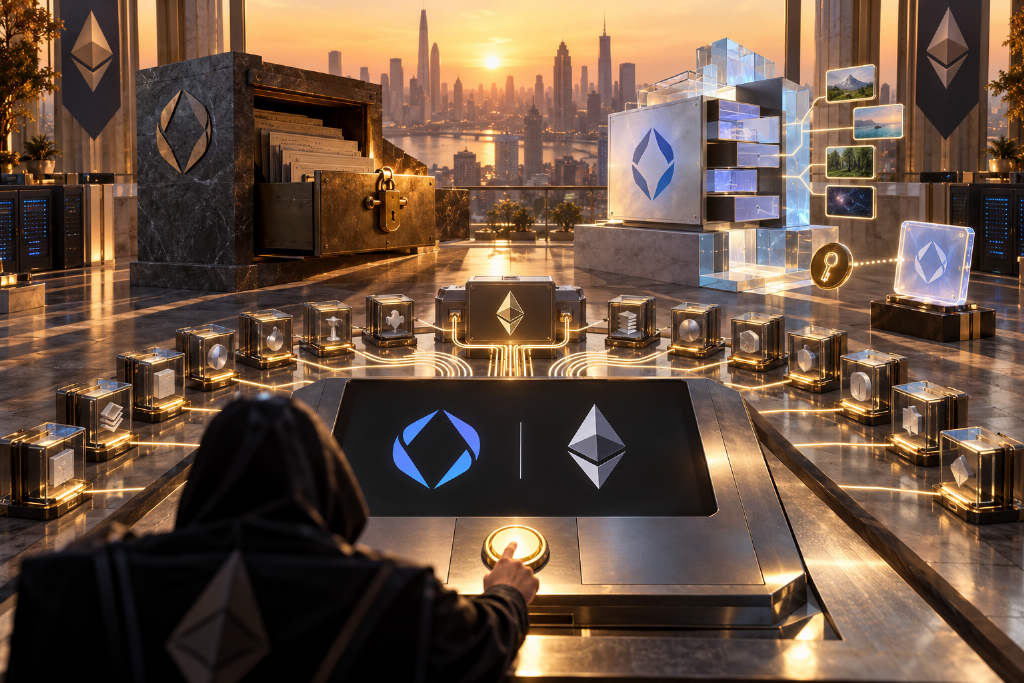
ENS is voting on an onchain proposal to activate ENSv2 on the Ethereum mainnet, according to a post by Snapshot on X. The proposal contains 15 calls and would be executed in a single transaction flow by an execution contract controlled by ENS DAO if approved. Under the plan, new registrations on the v1 version would be frozen, while domains that have not yet migrated would still be able to renew. After the upgrade, ENSv2 would let owners customize subdomain registries and grant resolution rights separately without transferring domain ownership. Snapshot also said ENS Labs would sync eligible names, open v2 registrations and migration, and hand the remaining administrative permissions to ENS DAO.

780
ENS opens vote on Ethereum mainnet proposal to activate ENSv2
ENS
Oct 12, 2026

ENS Labs asks DAO to activate ENSv2 on Ethereum and freeze new .eth registrations on v1

ENS Labs has asked the ENS DAO to switch on ENSv2 on Ethereum mainnet and freeze new .eth registrations on the original v1 registrar, shifting future sign-ups to the new system. ENS founder Nick Johnson, posting as nick.eth, submitted the executable proposal on the ENS governance forum on Oct. 11. The proposal bundles 15 calls from the DAO timelock into one atomic transaction, removing all five currently authorized controllers on the v1 BaseRegistrar and restoring only two: ETHRenewerV1, which handles renewals for names already reserved on v2, and a Graveyard contract that can claim names left expired past grace. Existing .eth holders would not need to take any action, and the proposal says there is no deadline to migrate. ENSv2 would shorten the post-expiry grace period from 90 days to 28 days, while extending each name’s v2 expiry by 62 days. The post says only one of the five activation stages requires a DAO vote, with the final step set to transfer ENS Labs’ remaining v2 admin powers to the DAO timelock.

680
ENS Labs asks DAO to activate ENSv2 on Ethereum and freeze new .eth registrations on v1
ENS
Oct 12, 2026

ENS founder files draft proposal to activate ENSv2 on Ethereum mainnet

ENS founder Nick Johnson, known on-chain as nick.eth, has submitted an executable draft proposal to the ENS DAO governance forum to activate ENSv2 on Ethereum mainnet. If carried out, the plan would freeze new .eth registrations on the v1 registrar, after which ENS Labs would complete a final pre-migration sync, open registrations on v2, switch name resolution to v2, and hand all management rights for the v2 contracts it controls to the DAO. ENS Labs said it has already reserved all valid v1 .eth second-level domains on v2 for their current holders. Existing .eth holders would not need to take any action, and their names would continue to resolve and remain renewable, with no deadline for migration. The proposal also changes the grace period from 90 days to 28 days, while extending migrated names’ expiration times by 62 days. For several hours between execution of the proposal and the launch of v2, neither version would accept new registrations. The proposal is still at the draft stage.

900
ENS founder files draft proposal to activate ENSv2 on Ethereum mainnet
ENS
Oct 12, 2026

ENSv2 activation proposal would end new ENSv1 registrations

An activation proposal for ENSv2 has been put forward for the Ethereum Name Service, according to ChainCatcher. Under the proposal, once ENSv2 is formally activated, ENSv1 will stop accepting new registrations. Existing .eth domain holders, however, would not face any migration deadline and could continue to keep and use domains they have already registered. The proposal also sets out a governance handover. ENS Labs would transfer its remaining ENSv2 administrative roles to ENS DAO, moving the related management authority to the community. The update outlines both the registration change for ENSv1 and the planned shift in control over ENSv2 administration.

670
ENSv2 activation proposal would end new ENSv1 registrations
ENS
Oct 8, 2026

ENS files application with ICANN for .ens top-level domain

Ethereum Name Service, or ENS, said it has formally applied to the Internet Corporation for Assigned Names and Numbers (ICANN) for the .ens generic top-level domain. The update was shared in a post by ENS. The ENS Foundation said ICANN has opened a new round of gTLD applications, and .ens has only one applicant at this stage: ENS itself. With no competing application, the process would not require an auction based on the information provided in the announcement. The development centers on ENS seeking formal top-level domain status for .ens through ICANN’s current application window.

900
ENS files application with ICANN for .ens top-level domain
Vitalik Buterin
Oct 7, 2026

Vitalik says AI will become the new interface, and blockchains will face the first security shocks

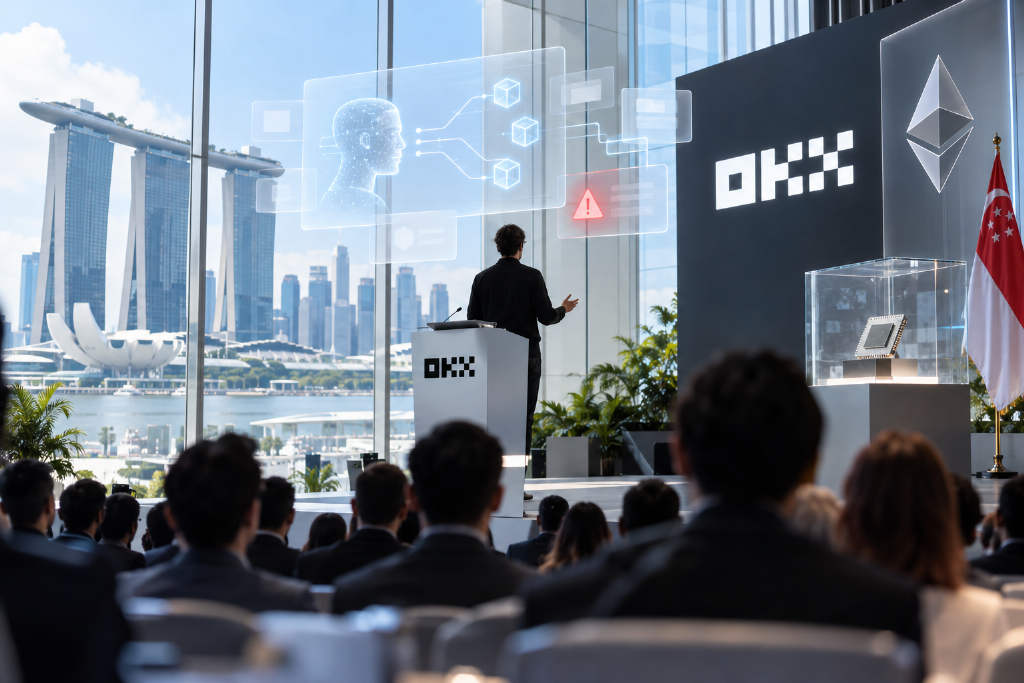
Ethereum co-founder Vitalik Buterin said artificial intelligence is emerging as both the biggest opportunity and the biggest risk for crypto, arguing that blockchains are likely to be the first place where many AI-driven security problems surface in full. Speaking at the OKX NOW Global Product and Ecosystem Conference in Singapore on Oct. 6, 2026, Buterin said the industry is moving beyond “programmable assets” toward “programmable data,” with zero-knowledge proofs and related cryptography letting users prove facts without exposing all underlying information. He also argued that AI is likely to become a new user interface for blockchain activity. Instead of relying on websites or apps, users may increasingly ask AI agents to write scripts, execute onchain actions, interpret quotes, and even identify transaction opportunities. That shift could reduce some of the risks tied to traditional front ends, but it opens a different attack surface, including prompt injection, failures in AI intent interpretation, and questions over whether the AI itself is trustworthy. Looking ahead two years, Buterin said Ethereum transactions could become much cheaper and more private, while onchain applications may blend more tightly with AI. In his framing, counterparties may often be bots, apps may be written by bots, and what people currently call an “app” may eventually give way to direct agent-to-agent interaction onchain. He added that hardware trust will matter more as digital systems spread further into the physical world.

630
Vitalik says AI will become the new interface, and blockchains will face the first security shocks
ONDO
Oct 9, 2026

mcaavebank.eth Deposits 9 Million ONDO to OKX, Worth About $4.47 Million

Techub News, citing a post from @ai_9684xtpa, reported that the Ethereum Name Service address mcaavebank.eth deposited 9 million ONDO to OKX about six hours earlier. The transfer was valued at roughly $4.47 million based on a deposit price of about $0.4963 per token. The address had previously been a long-term liquidity provider on Uniswap and had held the position for more than a year. According to the same disclosure, it began providing liquidity around a year ago when ONDO was trading in a $0.7 to $1.3 range. The exact cost basis was not disclosed, so the profit or loss on this apparent sale remains unclear.

850
mcaavebank.eth Deposits 9 Million ONDO to OKX, Worth About $4.47 Million
Vitalik Buterin
Oct 6, 2026

Vitalik says AI could become the new interface for complex on-chain actions

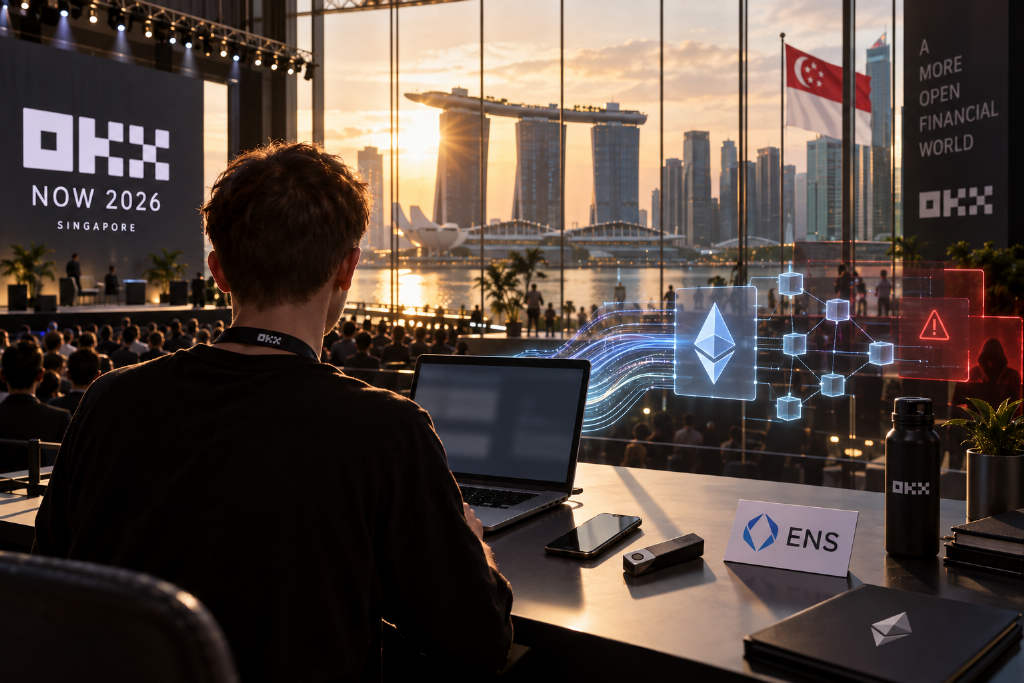
Ethereum co-founder Vitalik Buterin said AI may increasingly serve as the interface through which users carry out complex on-chain actions, as interaction models in crypto continue to shift. Speaking at the OKX Now 2026 summit in Singapore, Buterin said AI is showing an ability to break out of sandboxes, attack websites, and find software vulnerabilities, while also helping the Ethereum protocol identify bugs, implement advanced cryptography, and conduct formal verification. He said stronger security guarantees will become both possible and necessary as AI keeps uncovering exploitable weaknesses in systems. Buterin also shared a recent personal example: about a month ago, he updated ENS data for the first time without using a traditional user interface, asking a local AI agent to write the script and complete the task in roughly five minutes. He added that AI-driven execution of complex on-chain operations could become normal over time. Referring to a Safe-related hack that involved about $1.4 billion in losses, Buterin said the attack targeted the interaction layer between users and on-chain systems rather than the smart contracts themselves. He said AI-handled transactions may reduce risks tied to web interfaces, though they also introduce fresh concerns around AI security, prompt injection, and whether models can correctly interpret on-chain actions.

720
Vitalik says AI could become the new interface for complex on-chain actions
Total 80 items
Go topage