South Korea
Oct 21, 2026

Retail losses on South Korean single-stock ETPs top KRW 6 trillion after about two and a half months

Retail investors in South Korea have posted cumulative losses of more than KRW 6 trillion on single-stock exchange-traded products, including ETNs, roughly two and a half months after the products were listed, according to a Yonhap News report cited by BlockBeats. Data submitted by the Financial Supervisory Service to lawmaker Park Sung-hoon showed that from May 27, 2026 to Aug. 14, accounts at 10 securities firms that traded single-stock ETPs at least once recorded total losses of KRW 6.313 trillion. That figure included KRW 2.3242 trillion in realized losses and KRW 3.9888 trillion in mark-to-market losses on open positions. Investors in their 40s posted the largest aggregate loss, while those aged 70 and older recorded the highest average loss per account. The data also showed that between late July and Aug. 14, realized losses rose by KRW 360.4 billion, valuation losses fell by KRW 50.7 billion, and total losses widened by KRW 309.7 billion. The report said the shift may be linked to investors selling loss-making products, but price swings and new trading activity could also have affected the figures.
910
Retail losses on South Korean single-stock ETPs top KRW 6 trillion after about two and a half months
South Korea stocks
Sep 14, 2026

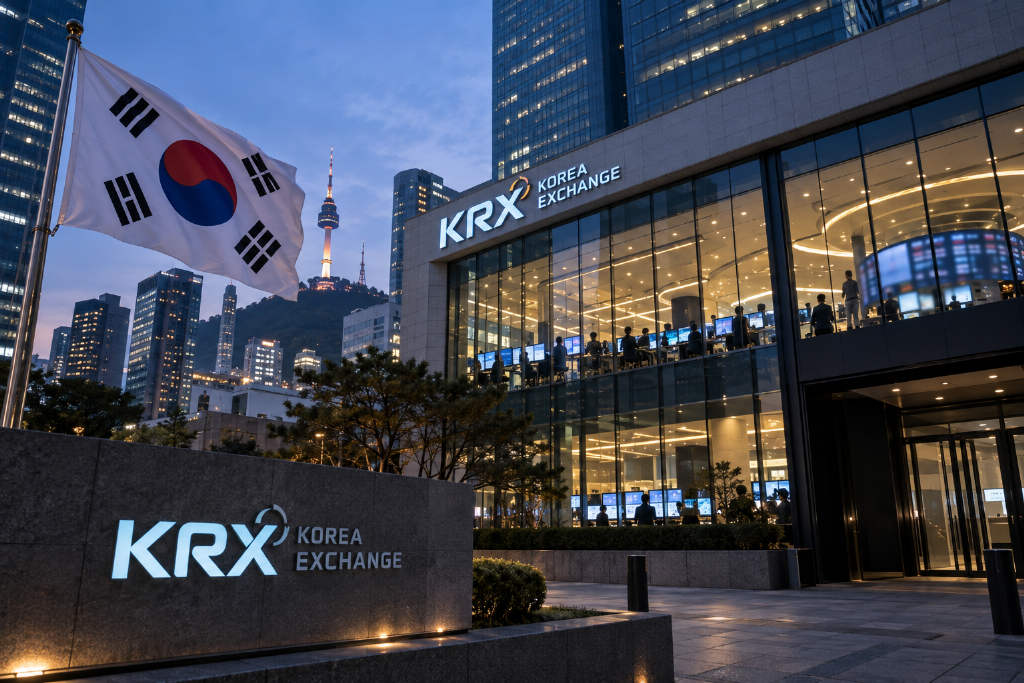
Korea Exchange launches after-hours stock trading, extends dealing to 8 p.m.

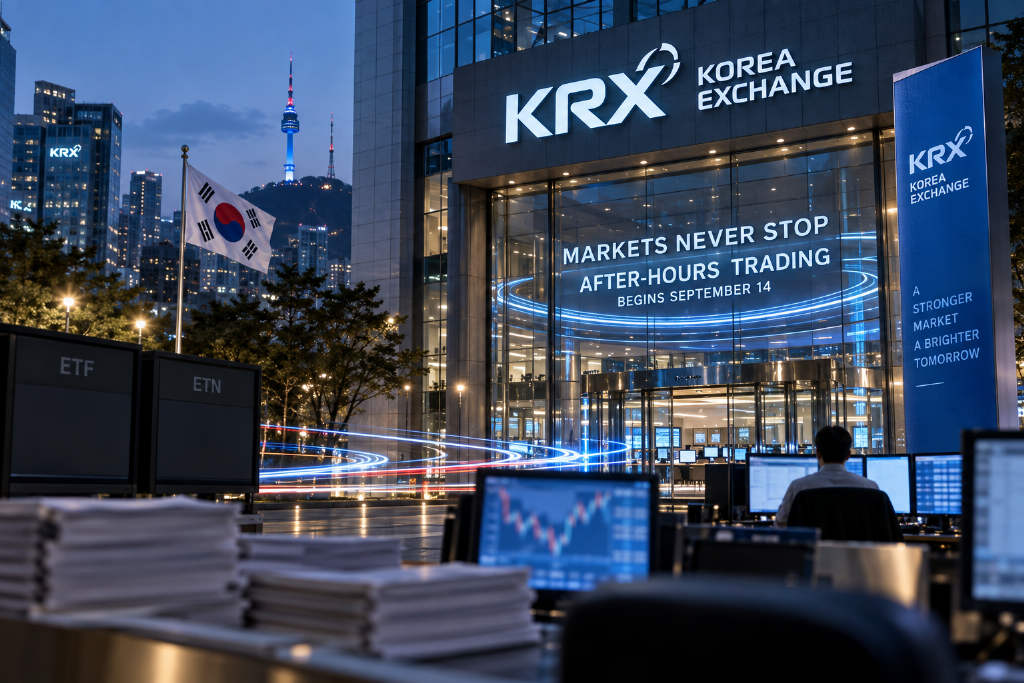
The Korea Exchange has formally launched after-hours trading for stocks, allowing investors to continue trading after the regular market closes. Under the new arrangement, standard trading hours remain unchanged at 9 a.m. to 3:30 p.m., while an added post-close session now runs until 8 p.m. local time. The exchange also said its planned pre-market session, which had been scheduled to go live the same day, has been postponed to the end of 2027. The delay came after the securities industry raised concerns over the burden of IT system development and staffing requirements. On another closely watched issue, the Korea Exchange said exchange-traded funds, or ETFs, and exchange-traded notes, or ETNs, will not be included in after-hours trading for now. The exchange cited concerns about market volatility in explaining that decision. The update was carried by Odaily, citing CCTV Finance.

1840
Korea Exchange launches after-hours stock trading, extends dealing to 8 p.m.
Korea Exchange
Sep 14, 2026

Korea Exchange starts after-hours trading, extends stock dealing to 8 p.m.

The Korea Exchange officially launched after-hours trading on Sept. 14, according to a report cited by BlockBeats from China Central Television Finance. Under the new arrangement, regular stock trading hours remain unchanged from 9:00 a.m. to 3:30 p.m., but investors can now continue trading after the regular close until 8:00 p.m. The exchange had also planned to roll out a pre-market session on the same day. That launch has been delayed to the end of 2027 after the securities industry raised concerns over the burden tied to IT system development and staffing operations. The Korea Exchange also addressed whether exchange-traded funds and exchange-traded notes would be included in after-hours trading. It said ETF and ETN products will not be added for now, citing concerns about market volatility. The update sets out a phased expansion of trading hours while leaving some products and the pre-market session outside the initial rollout.

1610
Korea Exchange starts after-hours trading, extends stock dealing to 8 p.m.
Korea Exchange
Sep 9, 2026

Korea Exchange to launch after-hours stock trading on Sept. 14, excluding ETFs and ETNs

The Korea Exchange will introduce after-hours trading for stocks on Sept. 14, according to a newsflash carried by Odaily. The exchange’s new arrangement covers stock trading only and will not include exchange-traded funds, or ETFs, nor exchange-traded notes, or ETNs. The update did not provide additional operational details, but it made clear that ETFs and ETNs will be excluded from the after-hours session when the service goes live. The report identified Sept. 14 as the launch date for the new trading window. Odaily cited the Korea Exchange in reporting the move. No further product scope, trading schedule, or implementation terms were disclosed in the brief.

1450
Korea Exchange to launch after-hours stock trading on Sept. 14, excluding ETFs and ETNs
policy regulation
Aug 12, 2026

South Korea Tightens Leveraged ETF Rules From Aug 19, New Investors Must Complete Simulated Trading

South Korea's Financial Services Commission approved rule revisions on Aug 12, effective Aug 19, tightening ETF/ETN price deviation limits (domestic from 3% to 2%, overseas from 6% to 5%) and requiring first-time investors in single-stock leveraged products to complete at least five hours of simulated trading. The Korea Exchange also plans to restrict liquidity providers that violate management obligations.

2180
South Korea Tightens Leveraged ETF Rules From Aug 19, New Investors Must Complete Simulated Trading
South Korea
Aug 12, 2026

South Korea to Raise Minimum Trade Size for Single-Stock Leveraged ETFs to 20 Shares

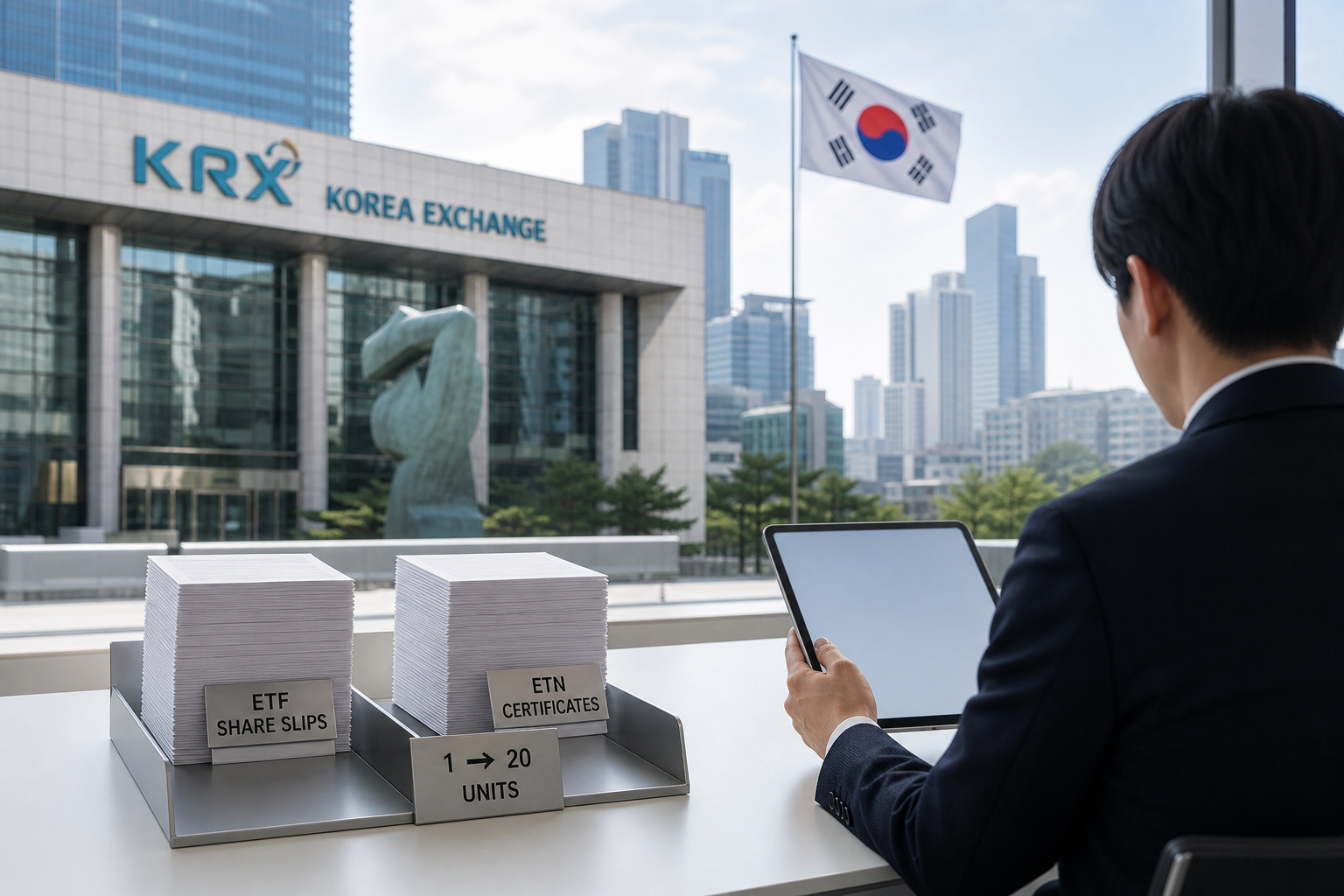
South Korea's exchange has published draft amendments that would raise the minimum trade size for single-stock leveraged ETFs from 1 share to 20 shares. Exchange-traded notes would be affected too, with the minimum denomination moving from 1 unit to 20 units. The proposals are out for market consultation. The financial regulator had originally planned to implement the measure in November, but has moved to accelerate it. With speculative trading in single-stock leveraged products heating up, the exchange is pushing for the new thresholds to take effect as early as September. Beyond the higher trading unit, authorities are strengthening investor protections. Under the draft rules, first-time retail investors must complete at least five trading sessions of simulated trading — one hour per day, for a cumulative five hours — before they can participate in these products. The draft also reflects a tightening of oversight on leveraged products, as regulators seek to cool speculative trading among new market entrants.

2300
South Korea to Raise Minimum Trade Size for Single-Stock Leveraged ETFs to 20 Shares
South Korea
Jul 24, 2026

South Korea to Raise Minimum Deposit for Single-Stock Leveraged ETFs and ETNs on July 31

South Korean regulators and exchange operators will tighten trading rules for single-stock leveraged exchange-traded funds and exchange-traded notes starting July 31, according to Yonhap News Agency. The Financial Services Commission, the Financial Supervisory Service and exchanges have decided to raise the minimum deposit requirement for these products from 10 million won, or about $51,000, to 30 million won, roughly $153,000. Only cash will be accepted going forward, while stocks, bonds and other securities will no longer qualify as collateral. The new requirement will apply to related products listed both in South Korea and overseas. Existing investors who add to positions must also meet the rule, though sales will not be restricted. Proceeds from sales will count toward the deposit only after settlement is completed and two business days have passed, and loans backed by pending sale proceeds will not be counted. The products were launched on May 27 and cover 16 underlying assets. Their initial market capitalization was about 4.4 trillion won, which had expanded to 11.9 trillion won by July 15. Daily trading value also rose from 10.4 trillion won on the first trading day to about 13 trillion won. South Korea had already suspended new listings and banned related advertising from July 16, while tightening discount-rate management standards from 3% to 2%.

2220
South Korea to Raise Minimum Deposit for Single-Stock Leveraged ETFs and ETNs on July 31
Total 13 items
Go topage