Google
Nov 4, 2026

Bernie Sanders calls Google school AI policy extortion

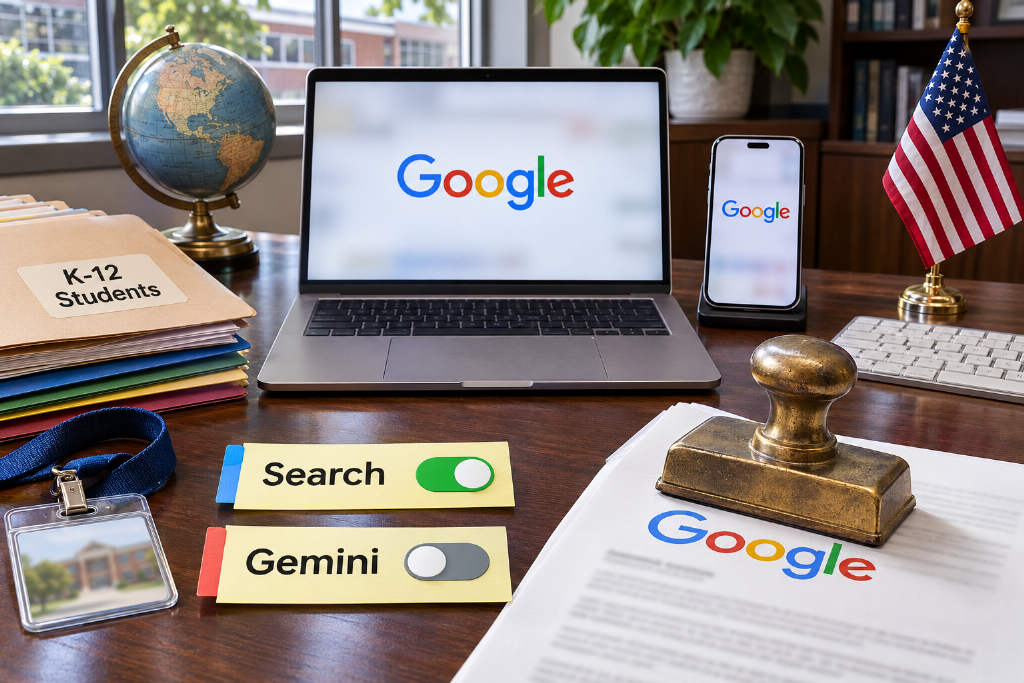
U.S. Senator Bernie Sanders criticized Google over its school AI settings, saying the company was using access to student search as leverage against schools that want to disable AI tools. According to the Techub News digest, Sanders said on X that tying search access to AI availability amounted to extortion. Google announced on Nov. 3 Eastern Time, or Nov. 4 Beijing Time, that Gemini products and Search would be turned off by default for K-12 student accounts, with administrators given control over whether to enable them. The company later clarified that schools can switch on Gemini, Gemini Notebook, and Search separately, rather than treating them as a single bundled setting. Former Federal Trade Commission Chair Lina Khan also commented on the issue. She said the episode showed the risks that come with essential services being controlled by unregulated monopolists. The item was cited by BeInCrypto and summarized by Techub as a policy and regulation update.
460
Bernie Sanders calls Google school AI policy extortion
Google
Nov 4, 2026

Google to invest $15 billion to expand data centers in Malaysia

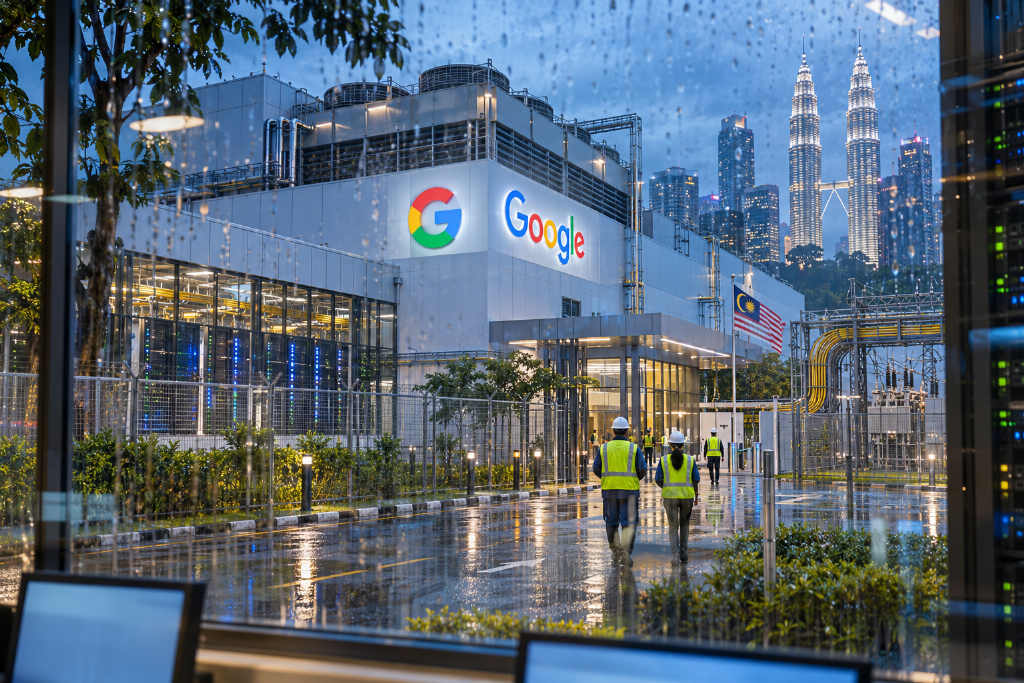
Google, a unit of Alphabet, said it plans to invest $15 billion to expand its data center and cloud business in Malaysia, according to Bloomberg, as demand for digital infrastructure rises with the artificial intelligence boom. The announcement ties the spending plan directly to growing infrastructure needs linked to AI. The company said the investment will go toward expanding its presence in Malaysia across data center capacity and cloud operations. Bloomberg was cited as the source of the report. No further details were provided in the brief update on timing, project scope, or specific facilities involved.

440
Google to invest $15 billion to expand data centers in Malaysia
Google
Nov 3, 2026

Google says schools that block AI tools will also lose access to Search

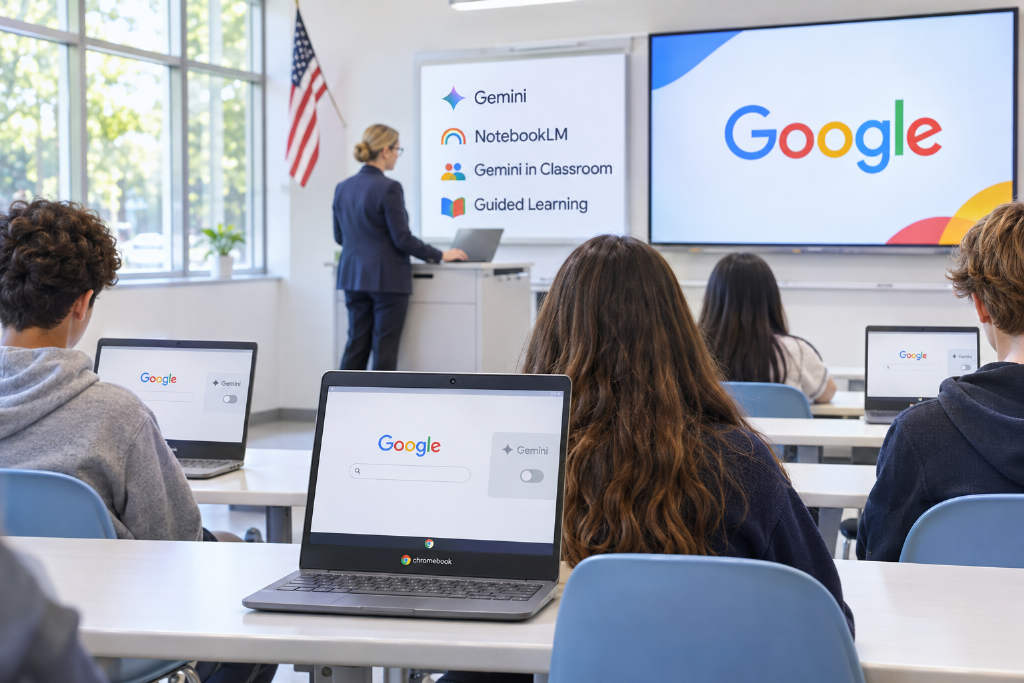
Google said Tuesday it will default AI tools to off for K-12 students starting next year unless school administrators choose to enable them. The change will affect Gemini, NotebookLM, Gemini in Classroom and Google Search. Chris Phillips, Google’s vice president for education, said Search and AI features are now tightly integrated, which means students will not be able to use Google Search if a school decides to fully restrict AI. The policy leaves schools with a trade-off: keep Search access and accept AI features, or block AI and lose Search for students. Phillips said in a blog post that Google will share more details with schools in the coming months so they can prepare. At the same time, the company announced Guided Learning, a tool designed for schools that aims to help students build understanding instead of simply receiving answers. The move comes as educators and parents continue to debate whether AI chatbots can weaken the learning process. According to TechCrunch, the decision also highlights Google’s strong position in education, where its app suite and Chromebooks are widely used in classrooms.

660
Google says schools that block AI tools will also lose access to Search
Meta
Nov 3, 2026

US tech giants push deeper into euro bonds as AI funding needs strain European credit markets

US technology companies are stepping up borrowing in Europe, adding fresh pressure to the region’s credit markets as AI-related capital needs keep rising. Meta is weighing its first euro-denominated bond sale as part of a cross-border financing plan of at least $20 billion, while Google is marketing a €6 billion deal that reportedly required a noticeably higher yield than comparable transactions earlier this year to secure demand. The wave of issuance has raised concerns that European corporate and sovereign borrowers could face higher funding costs as large US issuers absorb investor capacity. The borrowing push is tied to the scale of spending now associated with AI infrastructure. Morgan Stanley CEO Ted Pick said capital expenditure tied to AI could reach $10 trillion to $15 trillion, while warning that demand for non-AI high-quality issuers could be crowded out. Market participants are also split on how durable the trend will be. Senior Wall Street executives including Goldman Sachs CEO David Solomon and Blackstone President Jon Gray have argued that capital markets remain open and that investor focus is still centered on AI demand. Large asset managers have sounded more cautious. Pimco CEO Emmanuel Roman warned that a downturn would eventually come, and Franklin Templeton CEO Jenny Johnson said the market may already be at the stage of asking whether the cycle has gone too far.

460
US tech giants push deeper into euro bonds as AI funding needs strain European credit markets
Google
Nov 3, 2026

A further TPU v9 delay could squeeze Google’s ramp window and reshape supplier timing

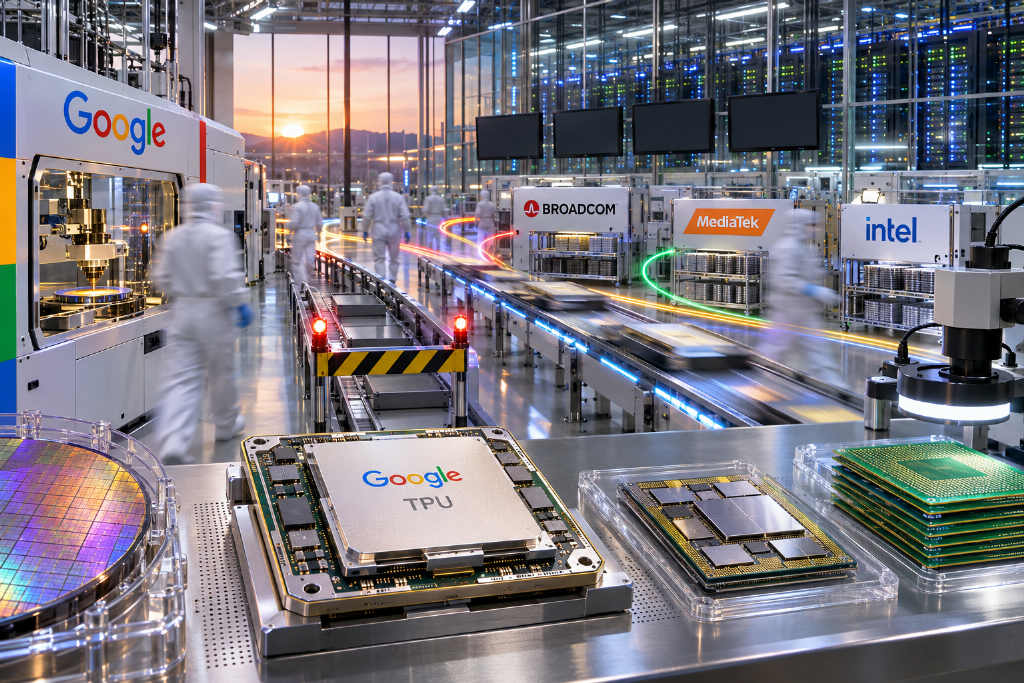
Google’s in-house TPU roadmap is facing fresh timing questions, and a new analysis from StatementDog suggests the impact could extend well beyond one product cycle. The firm said that if TPU v9 slips again, its mass-production ramp could be compressed before v10 arrives, changing the shipment outlook for Google’s custom compute chips and affecting when suppliers such as Broadcom, MediaTek, and Intel may see related orders. StatementDog estimates total 2028 shipments for the TPU v9 generation at about 2.3 million units, including roughly 1.9 million Humufish chips and 400,000 Triggerfish chips. It also raised its 2028 forecast for the older Zebrafish, or v8t, pointing to a scenario in which Google relies on the prior generation for longer if the new platform ramps more slowly. The report ties the schedule pressure to changes in the Core A design, echoing an earlier ChainCatcher-linked report that said development had been delayed by about three weeks. It also notes packaging and substrate yield as key constraints, with TrendForce previously saying v9 is expected to use Intel’s EMIB-T packaging. StatementDog stressed that its supplier allocation assumptions are part of its own model, not official guidance.

700
A further TPU v9 delay could squeeze Google’s ramp window and reshape supplier timing
Google
Nov 3, 2026

Google launches Dreambeans in India with support for 13 local languages

Google has rolled out its experimental AI app Dreambeans in India, marking the product’s first launch outside the United States. The app uses information from connected Google services such as Calendar, Gmail, and Photos to automatically create illustrated, personalized stories based on a user’s interests and daily life, without requiring prompts. In India, Dreambeans supports 13 local languages, including Hindi and Tamil, along with English. Google product manager Gozde Oznur said India was chosen as the first international market because users there had shown strong interest in the app and Google services are widely used across the country. Since its U.S. debut in June, Dreambeans has recorded nearly 55,000 downloads, with 63% of those coming in September. Downloads then fell 84% month over month in October to about 5,500. The app’s reliance on Google account data has also raised privacy and data access concerns. Users can choose which Google services to connect, disconnect them at any time, and delete their Dreambeans data from within the app. Oznur said the app is available only to holders of personal Gmail accounts, and the generated stories are visible only to the account owner.

670
Google launches Dreambeans in India with support for 13 local languages
Anthropic
Nov 2, 2026

Anthropic discloses $895.4 billion in compute commitments as Q3 swings back to operating loss

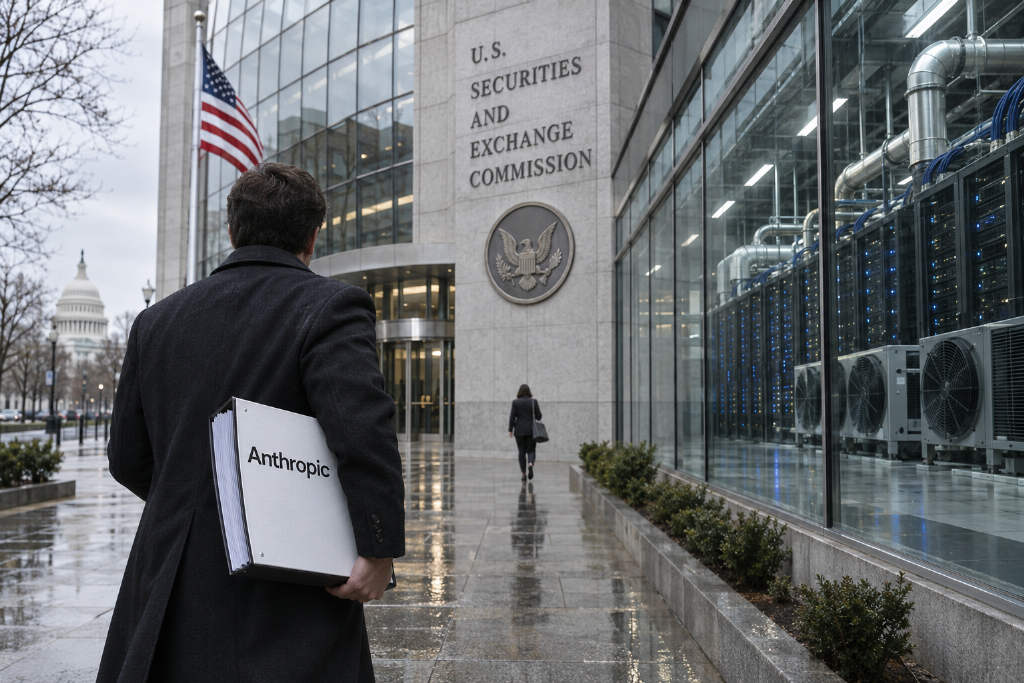
Anthropic’s updated IPO filing lays out the scale of its infrastructure buildout in unusually stark terms. The AI startup said it has signed about $895.4 billion in purchase commitments and lease arrangements, with nearly all of that tied to AI compute and infrastructure. Roughly $447.5 billion is expected to be incurred by the end of 2030, while most of the remainder stretches from 2031 to 2045. The filing also updated the company’s third-quarter numbers. Revenue was confirmed at about $16.96 billion, up from $11.56 billion in the second quarter and roughly 12 times the level of about $1.4 billion in the same period of 2025. Even so, profitability moved in the opposite direction. Anthropic reported a GAAP operating profit of about $974 million in Q2, then posted an operating loss of about $567 million in Q3. The company attributed the reversal in part to about $5 billion in short-term compute procurement costs, which were priced above longer-term arrangements, along with about $2 billion in non-cash charges tied to a donation-matching program. Reuters had previously reported that around 80% of $518 billion in compute buildout arrangements with six major partners were non-cancelable or still payable even if capacity went unused. Anthropic’s major infrastructure partners include Google, Amazon, Microsoft, and Broadcom.

780
Anthropic discloses $895.4 billion in compute commitments as Q3 swings back to operating loss
Anthropic
Nov 2, 2026

Anthropic posts $16.956 billion in Q3 revenue, reports $23.291 billion net loss

Anthropic said in an amended IPO prospectus filed with the U.S. Securities and Exchange Commission that its revenue for the third quarter of 2026 reached $16.956 billion, up 1,127% from $1.382 billion a year earlier. Net loss came to about $23.291 billion, compared with roughly $12.138 billion in the same period last year. The filing showed compute and infrastructure costs of $9.863 billion in the quarter, equal to about 58% of revenue and up 382% year over year. Operating loss narrowed to $567 million from $3.089 billion, while adjusted operating profit was $2.463 billion, with an adjusted operating margin of 15%, versus negative 93% a year earlier. Anthropic said the quarterly net loss included about $21.936 billion in fair value change losses tied to convertible notes, derivative liabilities, and SAFE instruments, adding that the item was mainly related to accounting remeasurement of financial instruments rather than a cash outflow of the same size. As of Sept. 30, the company had more than 11,900 customers that generated at least $100,000 in revenue over the prior 12 months, including about 250 customers contributing at least $10 million. Cash and short-term investments totaled about $131.9 billion, and total committed spending under compute procurement and lease agreements signed by and after that date was about $895.4 billion.

550
Anthropic posts $16.956 billion in Q3 revenue, reports $23.291 billion net loss
Total 638 items
Go topage