
NVIDIA
Jul 1, 2026

SemiAnalysis's Dual Assessment: NVIDIA Rubin Revenue May Beat by 20%, But Flagship Chip Shrinks by Half

Semiconductor research firm SemiAnalysis published two contrasting reports on NVIDIA. On the positive side, the resolution of HBM4 supply shortages and front-end wafer preparations could boost NVIDIA's data center computing revenue in H2 FY2027 by about 20% above consensus. On the negative side, the original 4-chip Rubin Ultra, unveiled at GTC 2026, was canceled just three months later; the replacement design is half the size, halving performance. Additionally, the research noted that Anthropic and other clients are adopting multi-platform architectures (Google TPU, Amazon Trainium), gradually eroding NVIDIA's CUDA moat.

1880
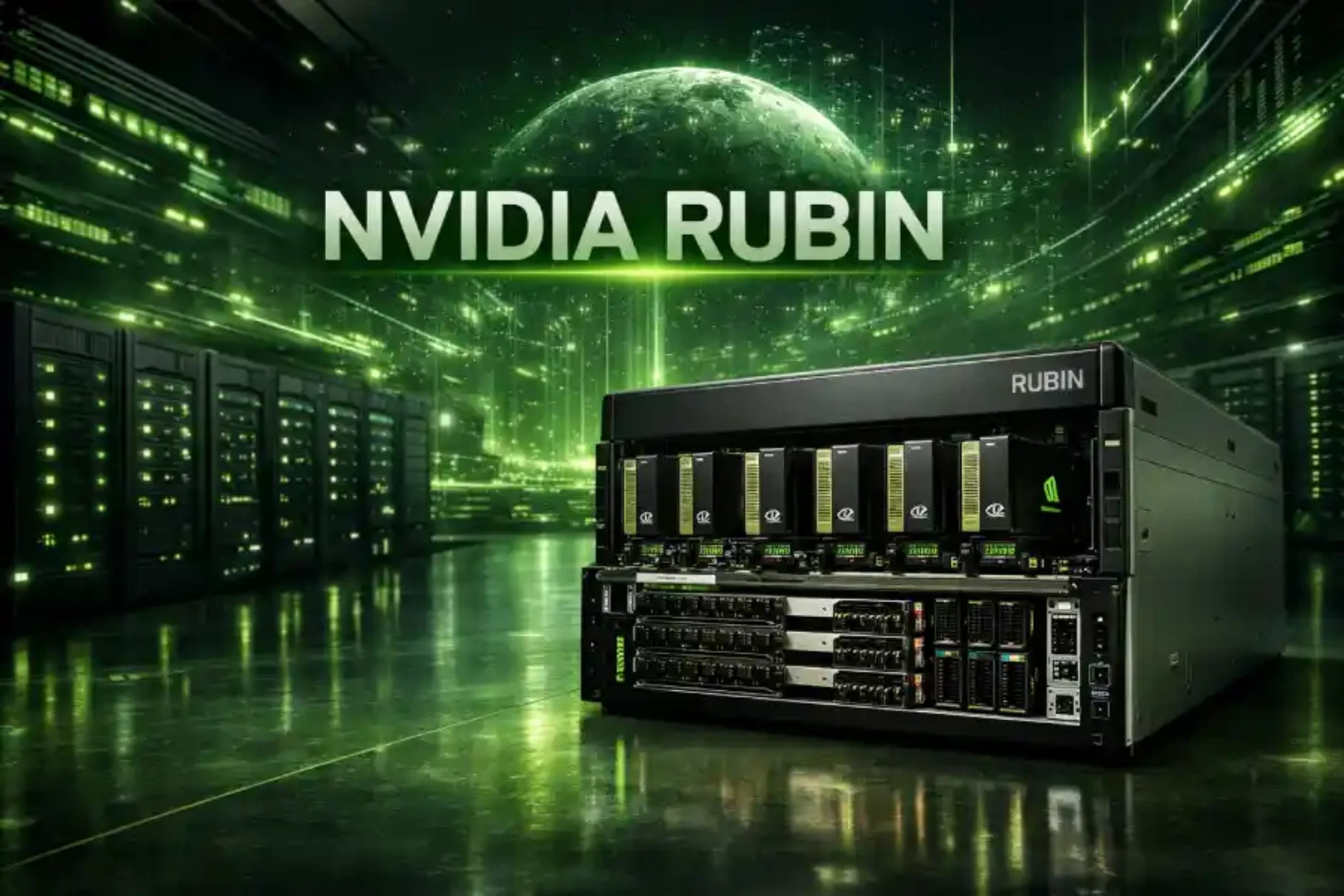
SemiAnalysis's Dual Assessment: NVIDIA Rubin Revenue May Beat by 20%, But Flagship Chip Shrinks by Half
NVIDIA
Jul 1, 2026

NVIDIA's Rubin Platform: Revenue Outlook Up 20% but Flagship Downsized, CUDA Moat Under Siege

SemiAnalysis, a semiconductor research firm, released two contrasting assessments of NVIDIA's prospects. On the positive side, it forecasts NVIDIA's data center computing revenue for the second half of fiscal 2027 will exceed Wall Street consensus by approximately 20%, driven by resolution of HBM4 supply issues and secured front-end wafer capacity, enabling rapid ramp-up of the Rubin platform. However, the original 4-chip Rubin Ultra design was canceled about three months after its GTC 2026 unveiling; the new version is half the size, halving performance, due to advanced packaging challenges. Additionally, customers like Anthropic are adopting multi-platform architectures (Google TPUs, Amazon Trainium), slowly eroding the CUDA moat. The article explores NVIDIA's bifurcated narrative from both performance delivery and technological defensiveness.

1920
NVIDIA's Rubin Platform: Revenue Outlook Up 20% but Flagship Downsized, CUDA Moat Under Siege
Nvidia
Jun 30, 2026

SemiAnalysis on Nvidia's Rubin Platform: Revenue Upgrades vs. Flagship Shrinkage

SemiAnalysis released two contrasting reports on Nvidia's Rubin platform. On the bullish side, resolving HBM4 supply and front-end wafer preparations could drive Nvidia's data center compute revenue in the second half of fiscal 2027 about 20% above consensus estimates. On the bearish side, the original 4-chip Rubin Ultra was canceled just three months after its GTC 2026 launch; the new version is half the size, halving performance. The reports highlight Nvidia's double-edged outlook: strong revenue momentum but technical challenges that could erode its moat. SemiAnalysis's Accelerator Model, based on cross-industry checks, differs from sell-side forecasts. Meanwhile, customers like Anthropic are building multi-platform compute architectures (TPU, Trainium, GPU), slowly eating into CUDA's dominance.

2470
SemiAnalysis on Nvidia's Rubin Platform: Revenue Upgrades vs. Flagship Shrinkage
NVIDIA
Jun 30, 2026

SemiAnalysis Issues Two Contrasting Reports on NVIDIA: Data Center Revenue Could Beat Estimates by 20%, but Rubin Ultra Is Downgraded by Half

Semiconductor research firm SemiAnalysis published two contradictory analyses on the same day. One predicts NVIDIA's data center computing revenue for the second half of fiscal 2027 will exceed Wall Street consensus by about 20%, thanks to resolved HBM4 supply issues and front-end wafer capacity. The other reveals that the original 4-chip Rubin Ultra was canceled about three months after its GTC 2026 launch; a scaled-down version (half the size and half the performance) replaces it. These reports paint a picture of both opportunity and challenge for NVIDIA, highlighting performance execution and technical moat erosion. SemiAnalysis also notes that CUDA's competitive edge is slowly eroding as rivals like Google TPU and Amazon Trainium gain traction, as seen in Anthropic's multi-platform architecture.

2030
SemiAnalysis Issues Two Contrasting Reports on NVIDIA: Data Center Revenue Could Beat Estimates by 20%, but Rubin Ultra Is Downgraded by Half
Nvidia
Jun 30, 2026

SemiAnalysis: Nvidia's Rubin Platform Faces Both Optimistic Revenue Outlook and Flagship Downsizing

Semiconductor research firm SemiAnalysis has released two contrasting assessments of Nvidia's Rubin platform. On the bullish side, its Accelerator Model predicts Nvidia's data center computing revenue for the second half of fiscal 2027 will exceed Wall Street consensus by approximately 20%, citing resolution of HBM4 supply issues and sufficient front-end wafer capacity. On the bearish side, the original 4-chip Rubin Ultra design was canceled about three months after its GTC 2026 unveiling, replaced by a half-sized version with halved performance due to advanced packaging difficulties. SemiAnalysis also highlights that its supply-chain-based model differs from traditional analysts' conservative forecasts, and notes that Anthropic's multi-platform architecture (TPU, Trainium, GPU) is slowly eroding Nvidia's CUDA moat.

2010
SemiAnalysis: Nvidia's Rubin Platform Faces Both Optimistic Revenue Outlook and Flagship Downsizing
Nvidia
Jun 30, 2026

Nvidia's Rubin Platform: HBM4 Supply Relief Boosts Revenue Forecast by 20%, but Rubin Ultra Gets Halved in Size and Performance

半导体机构 SemiAnalysis 发布两份截然相反的研判,分别从业绩与技术层面剖析英伟达前景。正面预测显示,HBM4 内存供应问题已解决,2027 财年下半年数据中心营收将超出华尔街预期约 20%;但负面消息是,原版 4 芯片 Rubin Ultra 在发布仅三个月后遭取消,新版尺寸减半,性能也随之减半。同时,CUDA 护城河正被亚马逊 Trainium、谷歌 TPU 等替代方案缓慢侵蚀,Anthropic 已构建多平台算力架构。

1850
Nvidia's Rubin Platform: HBM4 Supply Relief Boosts Revenue Forecast by 20%, but Rubin Ultra Gets Halved in Size and Performance
NVIDIA
Jun 30, 2026

SemiAnalysis: NVIDIA Rubin Platform Revenue Estimates Revised Up 20%, but Flagship Product Shrinkage and CUDA Moat Under Pressure

Semiconductor research firm SemiAnalysis published two contrasting assessments on NVIDIA's Rubin platform. On the bullish side, HBM4 supply constraints have been resolved and front-end wafer capacity is secured, leading to a projection that data center computing revenue in H2 FY2027 could exceed Wall Street consensus by ~20%. On the bearish side, the original 4-chip Rubin Ultra was canceled about three months after its GTC 2026 unveiling, replaced by a halved version with reduced performance. Furthermore, SemiAnalysis warns that the CUDA moat is slowly eroding, citing Anthropic's multi-platform architecture comprising Google TPU, Amazon Trainium, and NVIDIA GPUs. These conflicting signals paint a dual narrative of execution strength versus technological vulnerability.

1980
SemiAnalysis: NVIDIA Rubin Platform Revenue Estimates Revised Up 20%, but Flagship Product Shrinkage and CUDA Moat Under Pressure
Total 63 items
Go topage

