Volvo expands NVIDIA partnership with three-part autonomous driving stack for future vehicles
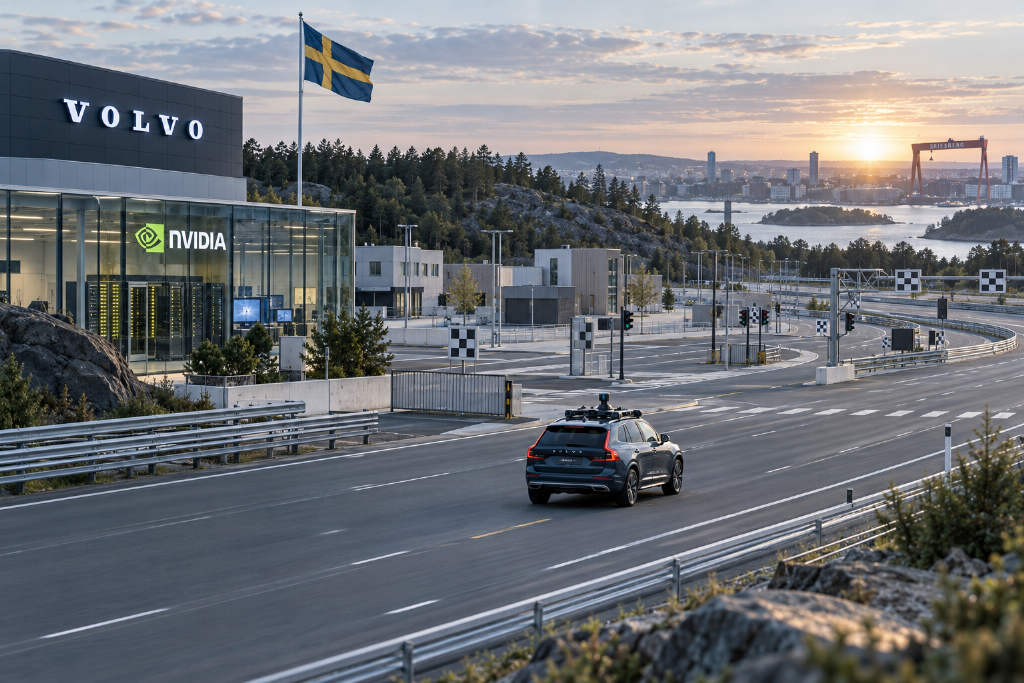
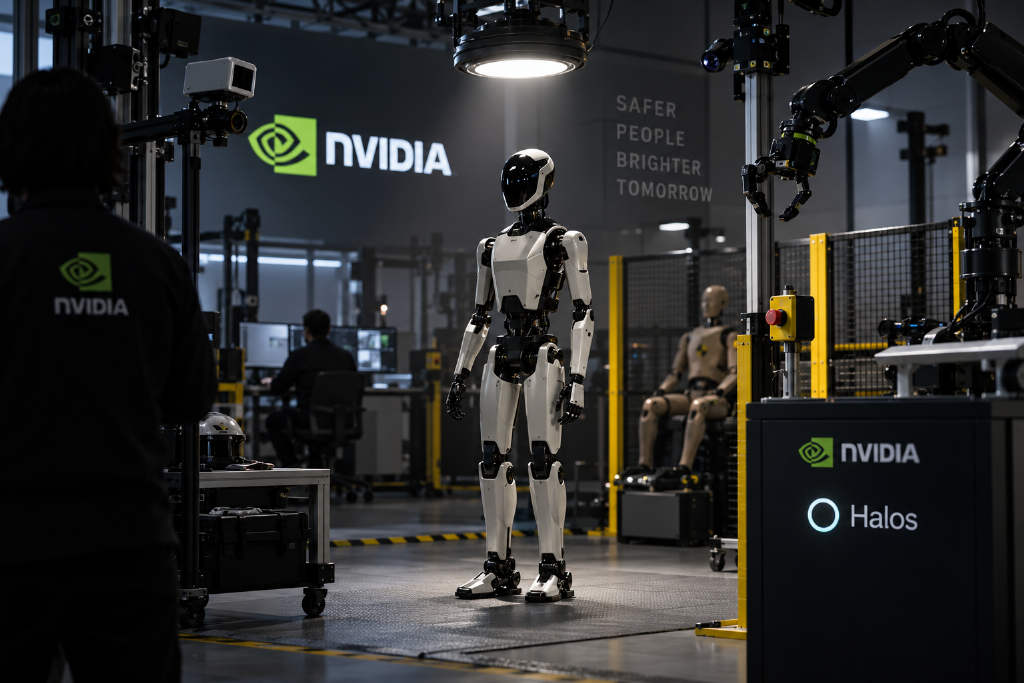
Volvo said it is expanding its nearly decade-long partnership with NVIDIA and will use three sets of NVIDIA hardware and software in future vehicles to build an autonomous driving system designed for both city streets and highways. The plan combines Volvo’s vehicle safety systems and engineering capabilities with NVIDIA’s Hyperion sensor and compute architecture, the Alpamayo driving software stack, and the Halos safety assessment layer. Ali Kani, head of NVIDIA’s automotive business, said the Alpamayo stack is built with redundancy and diversity. He said it combines the Alpamayo family of AI models, datasets, simulation tools, and development tools for autonomous driving software with traditional software that uses machine learning, cameras, and radar perception. Kani also said the open-source Alpamayo software has been downloaded by more than 650,000 developers. Volvo software chief Alwin Bakkenes said the company will kick off the expanded collaboration with an all-new model that will arrive in the “not too distant future.” He added that the first vehicle using the new NVIDIA technology stack will debut within the next decade. According to Bakkenes, Volvo has shifted from a vehicle-based development model to becoming a full technology stack company and plans to standardize more of its work on the Hyperion architecture.