Hyundai Motor

Embodied AI
2026-08-29 09:10:00

Automakers are becoming central to embodied AI as robotics shifts from demos to production

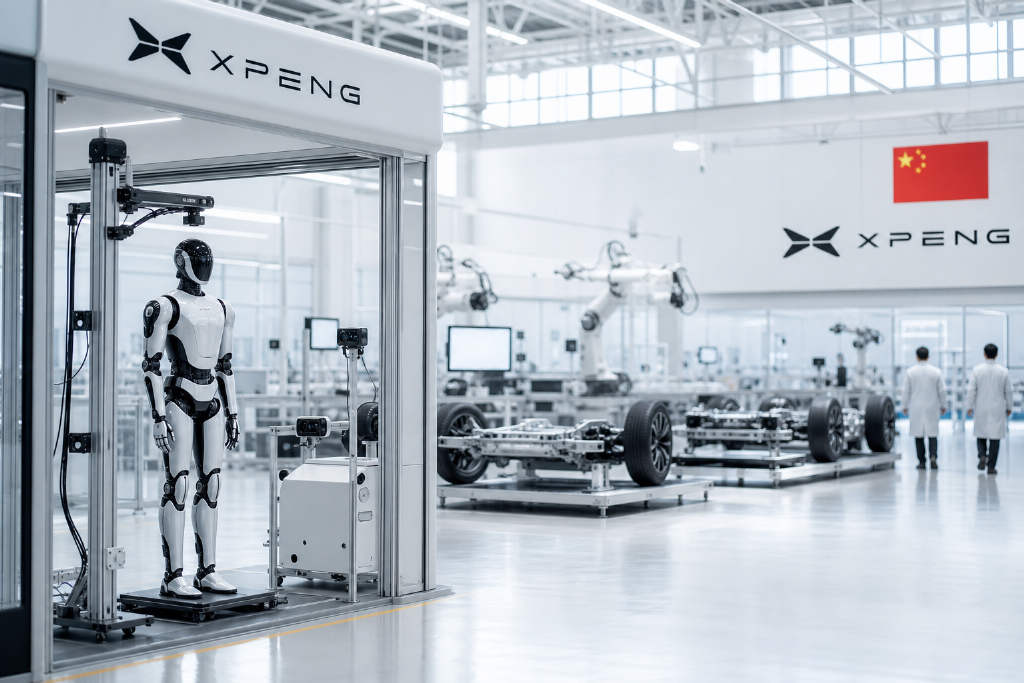
Automakers are showing up across nearly every layer of embodied AI, from building humanoids and funding startups to supplying factory jobs, training data, and commercialization channels. PANews argues that as robotics moves past the demo phase and into mass production, long-cycle training, enterprise deployment, and asset financing, the competitive yardstick is changing. That shift is pulling the sector closer to capabilities car companies have spent decades building. The article points to two developments from this week. XPeng’s robotics unit closed its first funding round at more than $900 million, valuing the business at more than $6.3 billion and setting a new private financing record for China’s embodied AI sector. Hyundai Motor then used its August 26 CEO Investor Day to lay out a robotics roadmap that extended beyond Atlas and manufacturing into dealer distribution, financing, maintenance, OTA updates, and Robotics-as-a-Service. According to the report, the value automakers bring is not limited to manufacturing know-how. They also hold autonomous driving infrastructure that can be reused for Physical AI, including data collection systems, compute clusters, simulation tools, deployment pipelines, and OTA frameworks. Their factories can serve as structured, repeatable training grounds for robots, while their sales networks, after-sales systems, and financing arms may help turn robots into industrial assets that companies can actually buy, operate, and budget for at scale.

1120
Automakers are becoming central to embodied AI as robotics shifts from demos to production
South Korea
2026-08-03 04:02:27

Hyundai workers fear robot-driven job losses as Musk imagines a world with little need for work

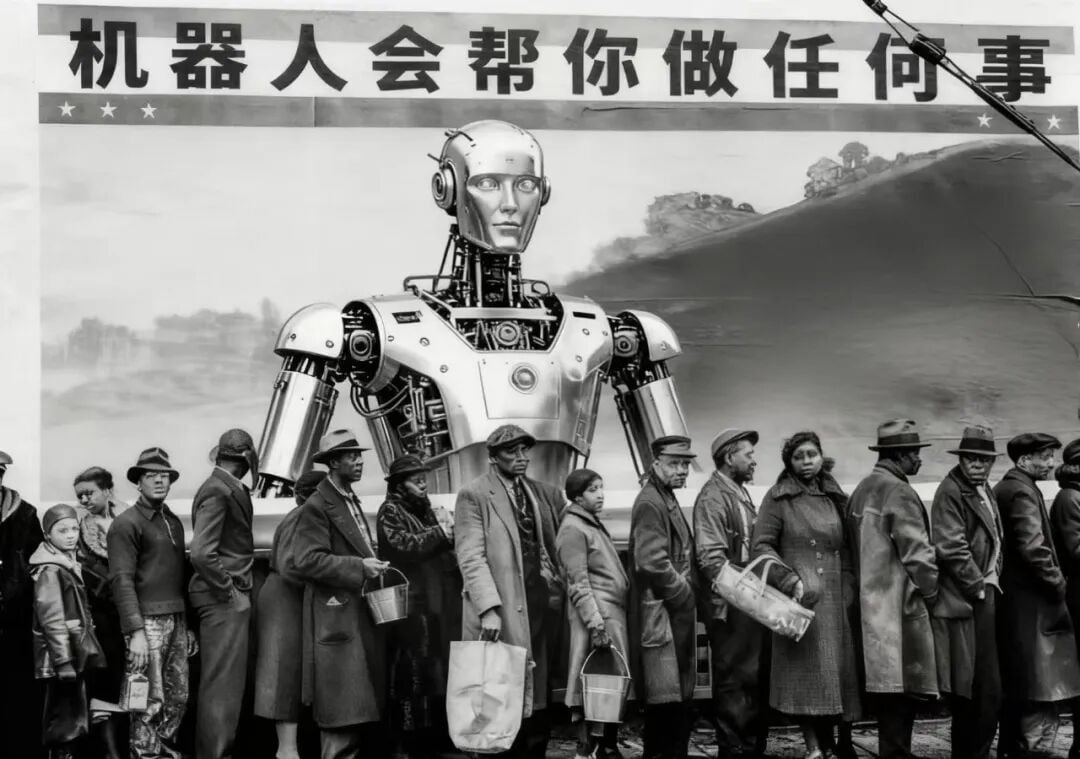
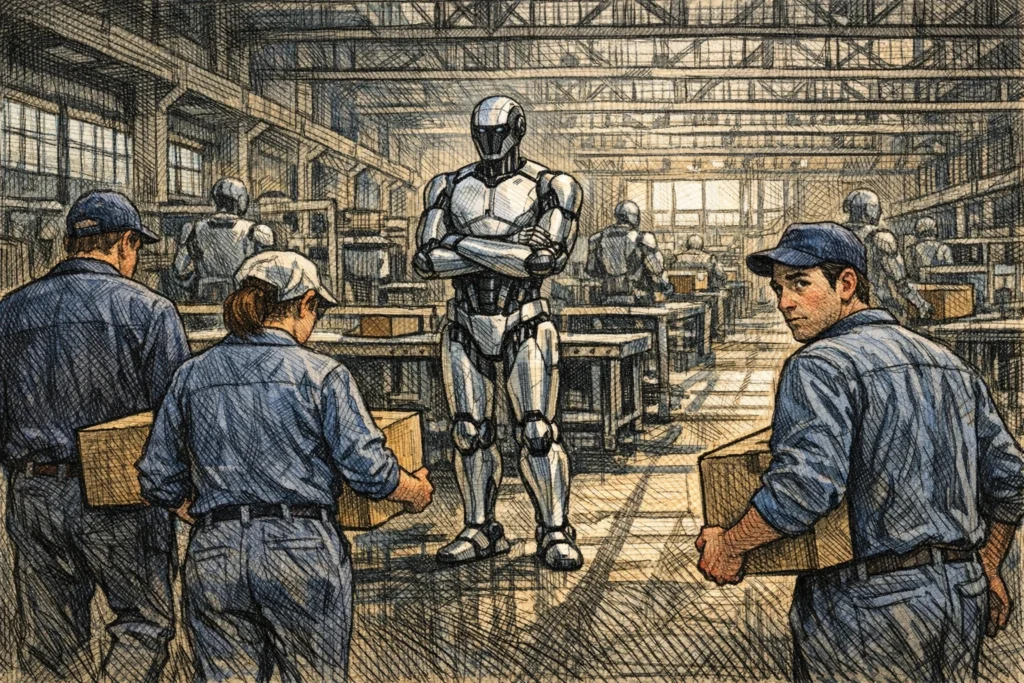
A labor dispute at Hyundai Motor in South Korea has become a broader argument about automation, jobs and who benefits from the next wave of AI-led productivity. In July, Hyundai’s Korean union staged partial strikes after wage talks broke down, with demands covering pay raises, performance bonuses and retirement age. This year, one more issue entered the bargaining agenda: employment protection in the age of AI and robotics. During a strike vote in June, the union asked for safeguards tied to advanced robotics, and local media connected that demand to Hyundai Motor Group’s plan to introduce Boston Dynamics’ Atlas humanoid robot. More than 86% of roughly 40,000 union members backed the strike. The dispute is not simply a case of workers protesting robots. The immediate trigger remained the collapse of labor negotiations. Still, the fact that robotics has entered union bargaining before humanoids are deployed at scale shows how quickly expectations are moving ahead of industrial reality. The article places that anxiety next to Elon Musk’s long-running vision, restated in a recent interview with The Economist, that AI will handle more cognitive labor, robots will carry that intelligence into the physical world, and eventually most necessary work could be done by machines. The core tension is no longer just whether robots replace labor. It is whether societies built on wages can adapt if work becomes less central, and how the wealth created by machines would be distributed.

530
Hyundai workers fear robot-driven job losses as Musk imagines a world with little need for work
Hyundai union stages partial strike over Atlas humanoid robot plans
TechFlow Intelligence: Hyundai Takes Full Control of Boston Dynamics as AI-Native Firms Pressure Accenture
Hyundai Takes Full Control of Boston Dynamics as TechFlow Tracks AI, Web3 and Market Signals
TechFlow Roundup: Hyundai Takes Full Control of Boston Dynamics as AI-Native Firms Pressure Accenture