Alibaba Cloud
Sep 4, 2026

Alibaba Cloud Leads China Retail Cloud Market with 30.4% Market Share

According to IDC's China Retail Cloud Market Share 2025 report, Alibaba Cloud leads the market with a 30.4% share. In the infrastructure segment, which is the largest component of the retail cloud market, Alibaba Cloud holds a dominant 37.5% share. The company provides an AI technology system spanning chips, cloud, models, and applications, offering services including infrastructure, data platforms, large models, and industry applications. AI capabilities are integrated into retail operations such as intelligent marketing, smart shopping assistants, customer service, user insights, product management, and supply chain management. Brands including Adidas, Anta, Coach, L'Oréal, Lawson, CDFG, and Petkit have adopted Alibaba Cloud's AI platforms for digital transformation. Adidas uses the PAI platform and Qwen large model for an AI product design platform; Anta leverages Lingyang AgentOne and Qwen for an AI planning agent platform.

1920
Alibaba Cloud Leads China Retail Cloud Market with 30.4% Market Share
smartphones
Sep 1, 2026

Rising memory costs push phone makers to cut flagship plans and raise prices

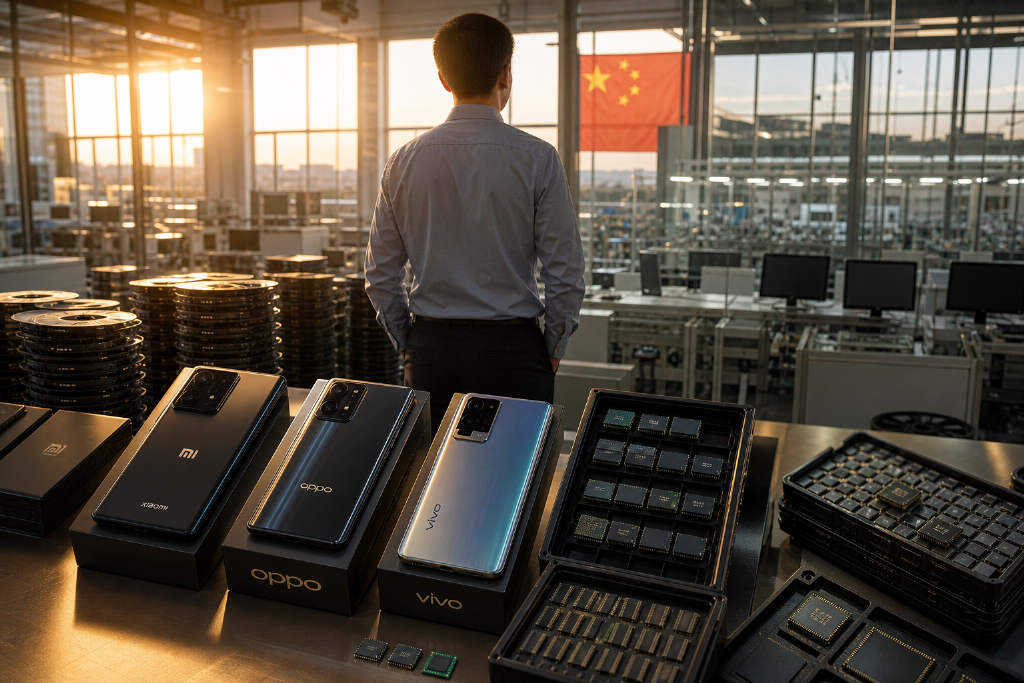
Chinese smartphone vendors are entering the September flagship launch season with a far weaker outlook than in prior years, according to a MarsBit report citing multiple industry bloggers. The core pressure point is memory pricing. Blogger Digital Chat Station said the procurement cost for a 12GB+256GB memory package rose from about 500 yuan a year ago to 2,200 yuan this year, a 340% jump, making storage more expensive than the SoC in some handset bill-of-materials calculations. Another blogger, RD Observation, said several vendors have cut planned flagship output by 30% to 50%. The report also said price increases are now spreading across product tiers: lower-end devices could move into the 2,500-3,500 yuan range with 6GB memory starts, midrange and upper-midrange models may reach 4,000-5,000 yuan with 8GB starts, and flagship models could open around 5,500 yuan, 7,000 yuan, and 8,000 yuan depending on trim. The pressure is already visible in shipment data. Xiaomi reported second-quarter smartphone shipments of 31.2 million units, down 26.5% year over year, while IDC estimated total shipments by Chinese phone makers at about 66.01 million units in the quarter, down 4.3%. The report said vendors are now leaning harder on higher-priced models to protect margins, even as some upcoming flagships are expected to launch with lower memory configurations than previous generations.

1950
Rising memory costs push phone makers to cut flagship plans and raise prices
Apple
Aug 26, 2026

IDC says Apple’s first foldable iPhone could ship more than 10 million units in its first year

IDC expects Apple to launch its first foldable iPhone in September, with first-year shipments projected to exceed 10 million units even though the device may be priced as high as $2,500. The forecast points to a strong market entry for Apple in the foldable smartphone segment. IDC also said global foldable smartphone shipments are expected to rise 12.6% this year and 18% next year. By 2027, Apple is projected to account for 40% of worldwide foldable smartphone shipments. The figures were cited in a ChainCatcher newsflash.

1790
IDC says Apple’s first foldable iPhone could ship more than 10 million units in its first year
AI compute
Aug 26, 2026

AI Compute Demand Pushes Memory Costs Higher as Amazon and Other Tech Firms Raise Hardware Prices

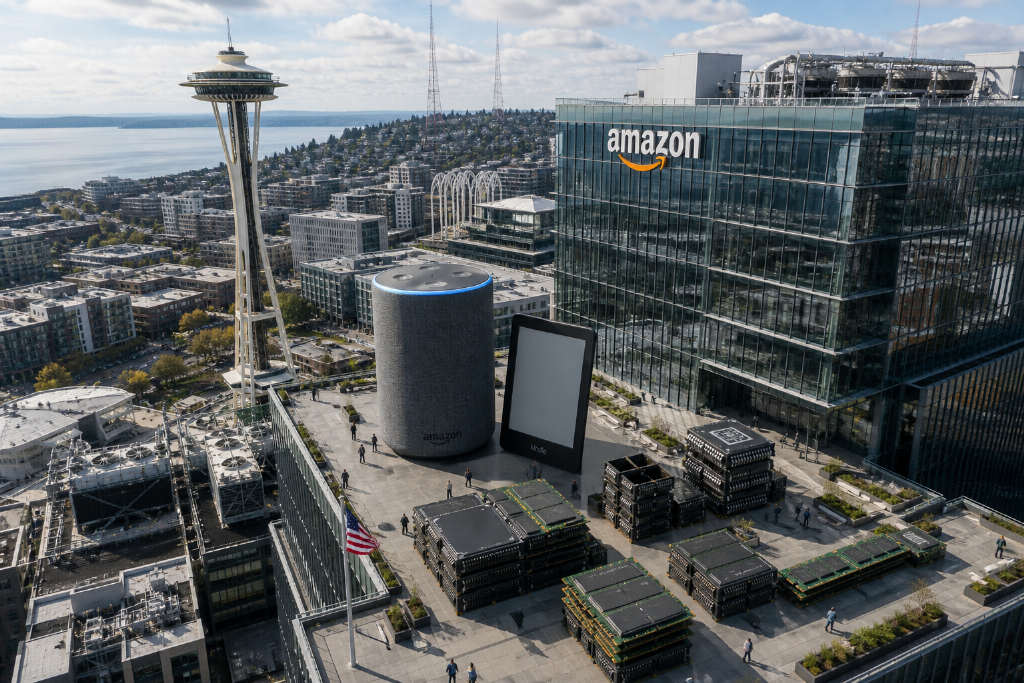
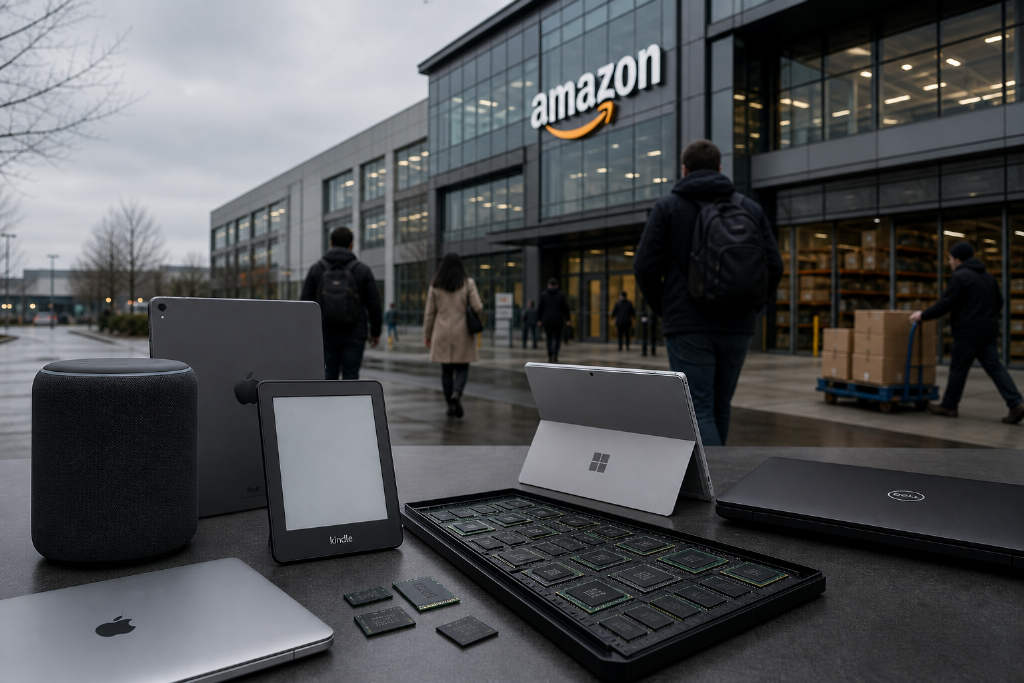
Rising demand for AI compute is continuing to drive up memory chip prices, with the cost pressure now moving downstream into consumer electronics and hardware products. Amazon has recently raised prices on several devices, including its best-selling entry-level Echo smart speaker, which went from $49.99 to $79.99, and a 16GB base-model e-reader, which increased from $109.99 to $149.99. Before Amazon’s move, Apple, Microsoft, and Dell had already responded to higher storage costs by lifting product prices or cutting standard memory configurations in hardware lineups. IDC had previously warned that the global memory supply crunch could last through 2027. Industry expectations cited in the report say storage chip prices may peak in 2028 before gradually easing. The latest pricing changes point to how AI-related infrastructure demand is spilling over into broader hardware supply chains.

1920
AI Compute Demand Pushes Memory Costs Higher as Amazon and Other Tech Firms Raise Hardware Prices
Market Analysis
Aug 26, 2026

IDC warns global memory shortage may last through 2027 as Amazon, Apple and others raise hardware prices

A sharp rise in AI computing demand is driving up storage chip prices and pushing cost pressure down the supply chain, according to an Odaily report citing China Central Television Finance and prior IDC guidance. Amazon has recently raised prices on several hardware products. Its best-selling entry-level Echo smart speaker moved from $49.99 to $79.99, a jump of about 60%, while the 16GB base e-reader increased from $109.99 to $149.99, or about 36%. Before Amazon’s move, Apple, Microsoft and Dell had already responded to higher costs by raising product prices or reducing the amount of memory included in standard hardware configurations. IDC had previously warned that the global memory shortage could continue until 2027. An industry forecast cited in the report also said storage chip prices may peak in 2028 before gradually easing and stabilizing. The report frames the pricing actions by major tech companies as part of a broader pass-through effect from upstream semiconductor costs to end-user devices.

2120
IDC warns global memory shortage may last through 2027 as Amazon, Apple and others raise hardware prices
Western Digital
Aug 15, 2026

Western Digital says AI data growth is outpacing compute planning, making storage a core infrastructure constraint

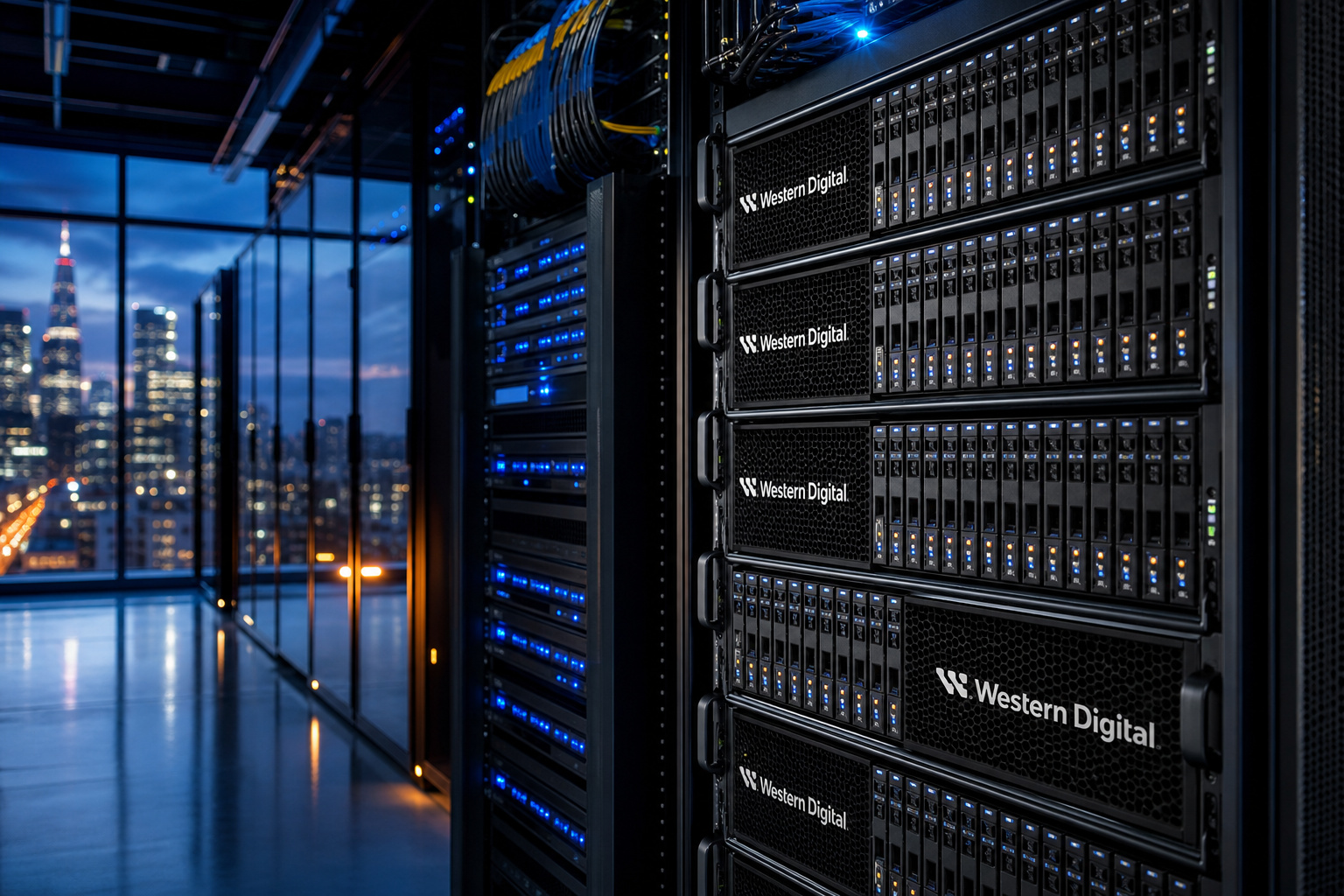
Western Digital said in a recent analysis that the buildout of AI data centers is shifting away from a narrow focus on GPU capacity and toward competition over storage capability. The company argued that storage planning is now a core part of AI infrastructure as data generated across the AI lifecycle keeps accumulating rather than disappearing after compute jobs end. Citing an IDC forecast, the analysis said annual global data creation will reach 718 zettabytes by 2030. Western Digital said AI systems continuously produce and retain training data, model checkpoints, embedding vectors, inference logs, prompts, outputs, and evaluation datasets. Those records later become important assets for model iteration, quality assessment, and compliance audits. The company also warned that many infrastructure plans still pay too much attention to GPU utilization while overlooking long-term data accumulation. As datasets move into the petabyte and even exabyte range, a single storage architecture becomes harder to sustain. Western Digital said enterprises should adopt tiered storage strategies, using high-performance flash for training and real-time inference, while relying on high-capacity HDDs and object storage for long-term retention, historical archives, and low-frequency access. It added that future AI infrastructure competition will be judged not only by GPU counts, but also by storage cost per PB, power consumption, recovery efficiency, and lifecycle data management.

2100
Western Digital says AI data growth is outpacing compute planning, making storage a core infrastructure constraint
Humanoid Robots
Aug 10, 2026

Bloomberg: Global humanoid robot shipments reached about 19,100 units in H1 2026

Bloomberg, citing data from Smart Analytics Global, reported that global humanoid robot shipments reached about 19,100 units in the first half of 2026, up more than 200% from roughly 5,100 units a year earlier. Chinese manufacturers accounted for more than 97% of the total, according to the data. Smart Analytics Global expects full-year 2026 shipments to reach about 60,000 units and sees the figure rising to 500,000 by 2030. The report said China has built an early lead over U.S. rivals in the humanoid robot sector. Earlier, Morgan Stanley raised its 2026 forecast for China’s humanoid robot shipments to 50,000 units. IDC data also showed that the top five companies by global humanoid robot shipments in 2025 were all Chinese firms, while U.S. companies Figure AI and Tesla ranked seventh and ninth, respectively.

3140
Bloomberg: Global humanoid robot shipments reached about 19,100 units in H1 2026
Total 18 items
Go topage