Voters in at Least 29 U.S. Communities Back Curbs on AI Data Center Development
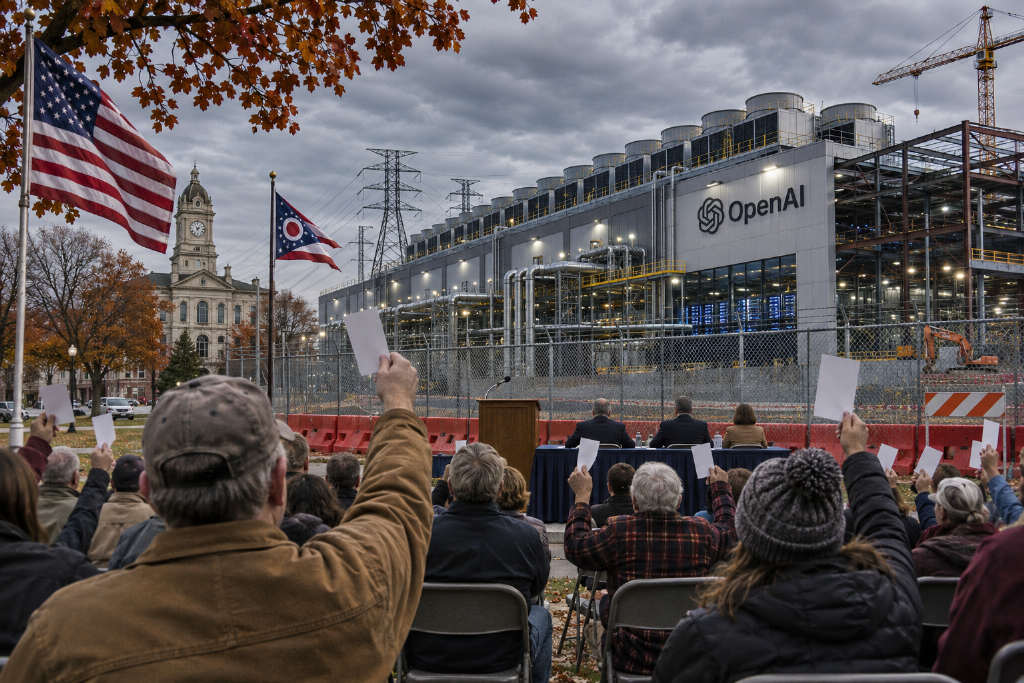
Voters in at least 29 U.S. jurisdictions supported bans or new limits on data center development in Tuesday’s elections, according to The Washington Post, adding fresh resistance to the infrastructure expansion behind artificial intelligence. The ballot measures took several forms, including outright bans, requirements for additional public approval, and advisory votes that do not automatically halt construction. Ballotpedia tracked 41 data-center-related measures across 10 states on Nov. 3, with 28 structured so a yes vote would restrict development and 13 designed to permit or support projects, meaning a loss on those measures could also count as a setback for developers. Ohio delivered some of the strongest results, with all 10 charter measures backed by Conserve Ohio passing and more than three-quarters of voters in Hubbard supporting a ban. Similar margins appeared in Granville, Trenton, and Sunbury. Illinois and Wisconsin also saw local votes against or slowing proposed projects. The pushback centers on electricity demand, utility costs, grid capacity, water use, noise, and concerns over deals made without public scrutiny. At the same time, AI companies are increasing lobbying and public relations efforts, while industry figures such as BlackRock CEO Larry Fink warn that broad moratoriums could threaten U.S. AI investment and the wider economy.