Eligible Institutions Can Now Supply mWIN and Borrow Stablecoins on Aave Horizon
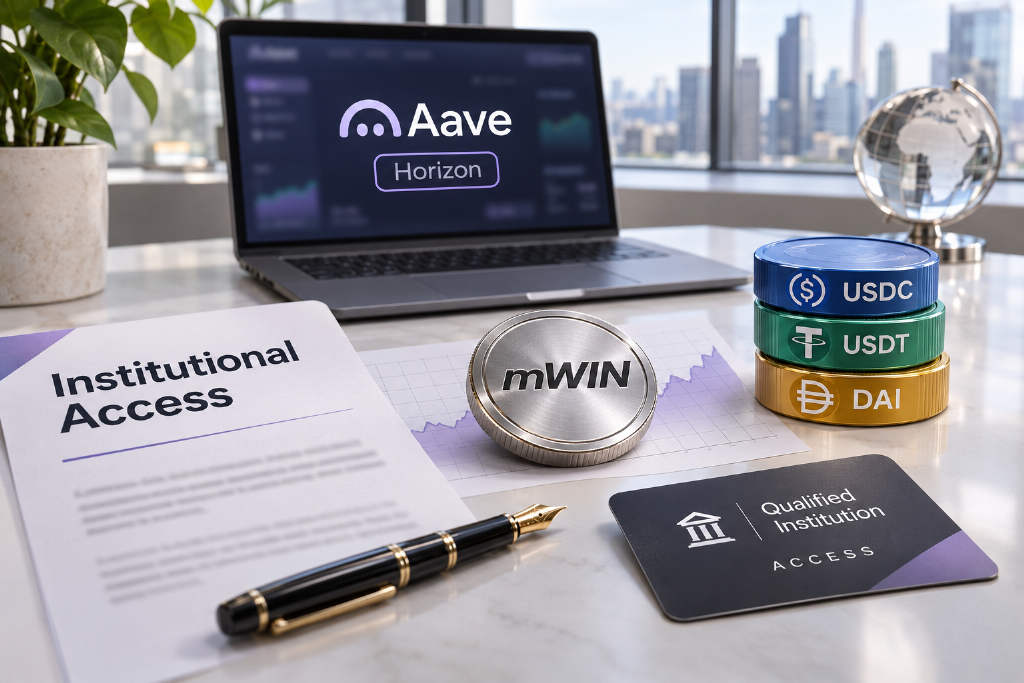
According to Odaily, eligible institutions can now supply mWIN on Aave Horizon and borrow stablecoins.
90

According to Odaily, eligible institutions can now supply mWIN on Aave Horizon and borrow stablecoins.
Elon Musk said in a post on X that not using AI in modeling should be treated as negligence, arguing that the point will become obvious within the next one to two years. He compared the shift to the use of FSD, or Full Self-Driving, in investment decisions, saying manual modeling may still remain an option but is not a wise one. Musk also predicted that every institution will have to confront that reality within the next few months. The remarks were cited by Techub News in a brief update. No additional details were provided in the source beyond Musk’s comments and the timeline he outlined.
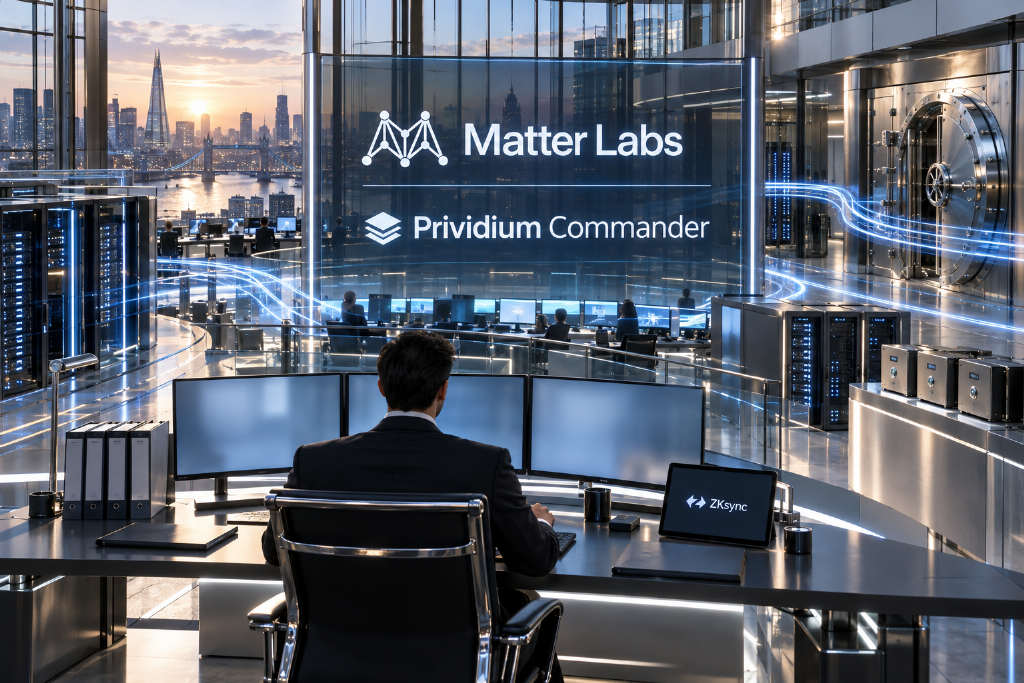
Matter Labs has rolled out Prividium Commander, a control plane designed for bank digital-asset operations, and the product is generally available from day one. The update was reported by The Defiant, which cited Matter Labs CEO Alex Gluchowski. According to Gluchowski, revenue generated by the product will go to Matter Labs itself rather than to ZKsync tokenholders. The launch frames Prividium Commander as an institutional offering aimed at banks handling digital-asset activity. The report did not provide additional operating metrics or rollout details beyond the product’s availability status and revenue destination.
CoinDesk reported that a separate pressure is building for institutional crypto custody providers as the industry debates whether holders should move funds before advances in AI or quantum technology expose wallet keys. The article says the core issue for institutions is not simply whether assets need to be moved in an emergency. Instead, custody firms may have to upgrade their systems before any such migration becomes necessary. That makes the so-called “bunker mode” problem more severe for institutions than for individual crypto holders, according to the report. While retail users may focus on the question of moving funds, firms responsible for custody infrastructure face the added burden of preparing operational systems in advance. The piece was written by Olivier Acuna and edited by Jamie Crawley, and was published on Oct. 8, 2026.
When BlackRock and JPMorgan deploy businesses on Ethereum, their zero position is no longer 'not making a choice' but a deliberate position.
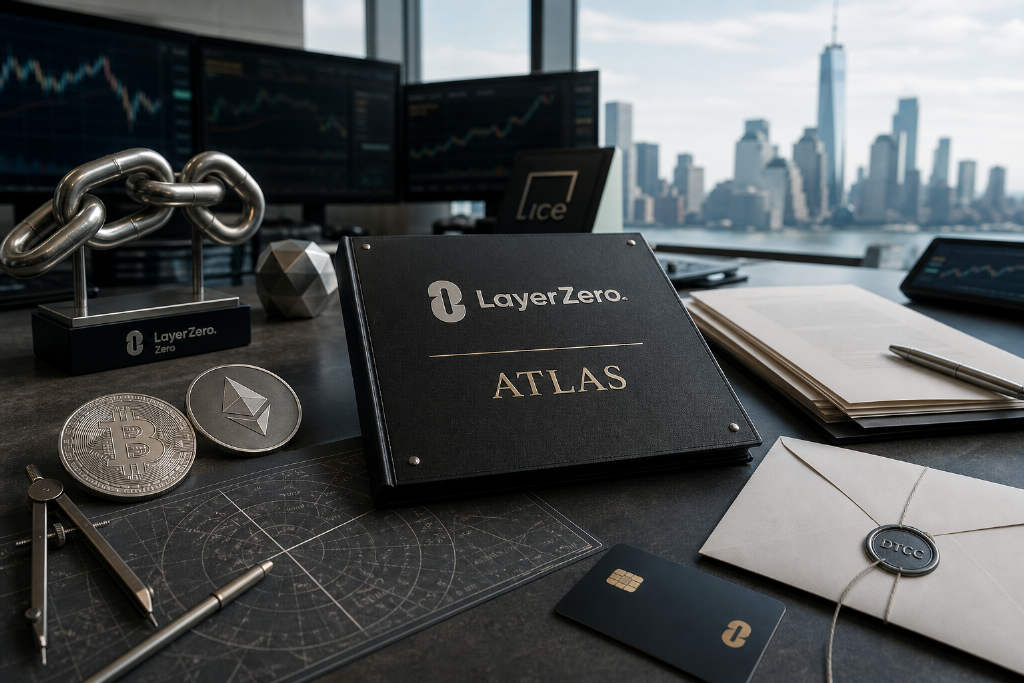
The Information reports that blockchain infrastructure company LayerZero plans to launch ATLAS, a blockchain trading platform aimed at financial institutions, in the fall of 2026. The platform will not include a consumer-facing app. ATLAS will run on LayerZero’s Zero blockchain, which was announced in February, and will initially support spot crypto assets and perpetual contracts before expanding into prediction contracts, futures and options. LayerZero says Citadel Securities, DTCC and ICE, the parent company of the New York Stock Exchange, are partners on Zero, and that top global market makers will provide liquidity on ATLAS’s first day.
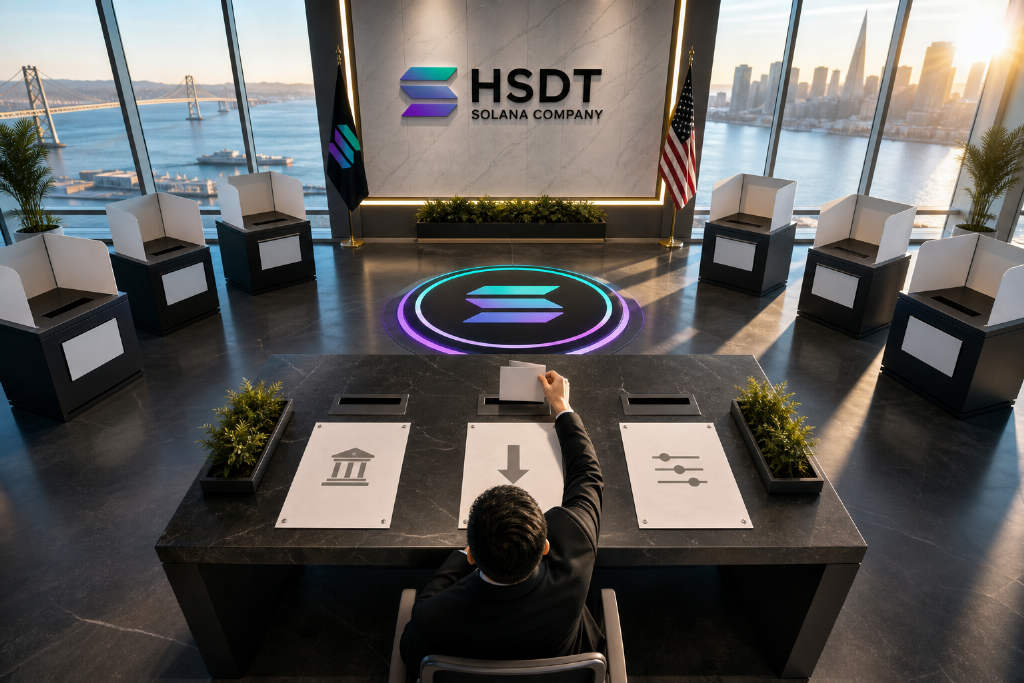
SOL treasury company Solana Company (HSDT) has laid out its voting stance on the first three Solana Governance Proposals ahead of on-chain voting expected to begin on Aug. 22. The firm said it supports SGP-0001, the "Solana Constitution," while opposing SGP-0002, which would double the pace of inflation reduction, and SGP-0003, which would shift transaction fees from a fixed model to a floating one. HSDT said its objection to the latter two proposals is about timing rather than direction. According to the company, Solana is at a stage where institutions are weighing entry, and those participants place high value on stable and predictable rules. In that context, changing two core economic parameters — inflation and fees — could make still-hesitant institutions more reluctant. HSDT added that it would support reopening discussion on lower inflation after SOL shows sustained net capital inflows, and would also reconsider floating fees once the ecosystem has had time to adapt.
In 2026, viewership of YouTube crypto channels plummeted 27% to 79% compared to January 2025, reflecting a significant retreat of retail attention from long-form video content. Despite massive subscriber counts on top channels, actual active viewership has sharply declined, indicating lower retail participation and increasingly concentrated, uneven attention. The market is transitioning to a new cycle driven by ETFs and institutions, where retail media signals must be captured through real-time viewing data rather than subscriber numbers.