Only 109 of 646 Crypto Cards Could Be Scored in Review
A review of 646 crypto cards found that only 109 could be scored. It also identified a large gap between high-cashback promotions and the cards’ actual costs and issuer risks.
20

A review of 646 crypto cards found that only 109 could be scored. It also identified a large gap between high-cashback promotions and the cards’ actual costs and issuer risks.
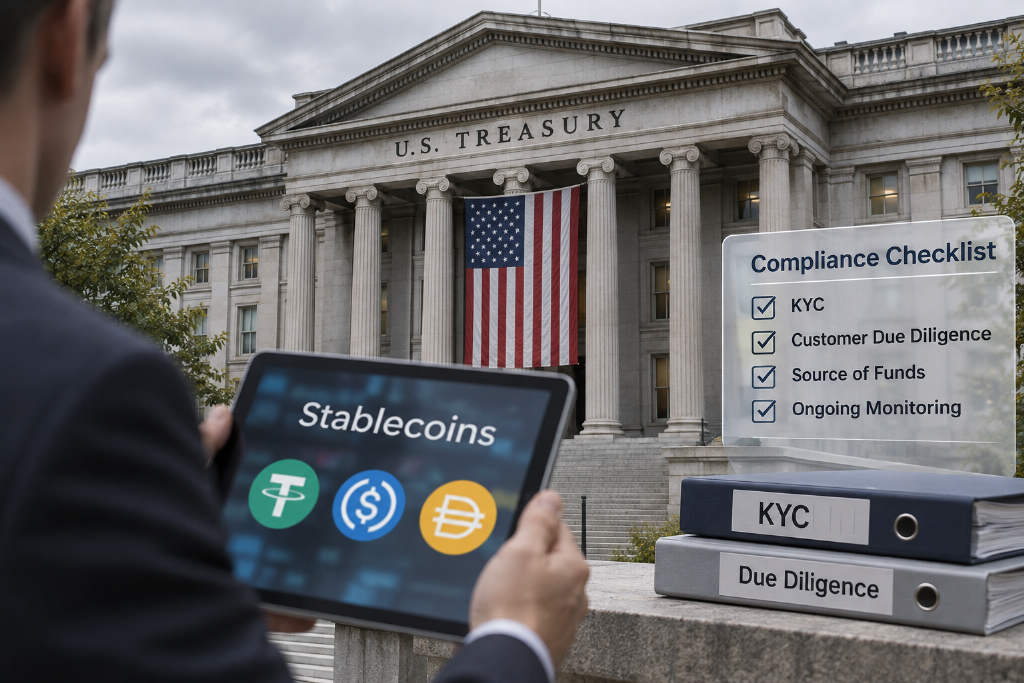
The US Treasury is advancing a plan to require stablecoin issuers to conduct counterparty due diligence at the same level as US banks, according to Bloomingbit. The implementation timetable and the entities and activities covered have not been disclosed.
Nine issuing companies have opposed a proposed tokenized stock trading platform from OKXICE, according to Techub News, citing Crypto.news. The development points to a narrow but consequential power embedded in the U.S. Securities and Exchange Commission’s new trading framework. Under that structure, a company can block an unrelated trading venue from listing its stock, even though the same restriction does not apply across all venues. The report highlights how a limited provision in the SEC framework could still carry significant implications for where tokenized equities are allowed to trade. No additional details on the companies or the next steps for the proposal were disclosed in the item.
Bloomberg ETF analyst Eric Balchunas said in a post on X that, among nearly 270 ETF issuers in the United States, about 60% still have their first ETF as their largest fund by size. He said the pattern is "quite instructive." The comment was shared through his personal social media account and was cited by Techub News in a brief market analysis update. No additional breakdown or issuer-level data was provided in the post summary included in the report. The statement focused on the persistence of early flagship products across a large share of the U.S. ETF market.
Visa said its stablecoin settlement volume has passed an annualized run rate of more than $20 billion, marking a 15x increase from a year earlier. With that growth in place, the payments company now wants to combine VisaNet data with onchain lending so blockchain lenders can extend credit to the issuers behind the expanding card activity. The move ties traditional payments data to crypto-native financing and centers on providing working capital to the issuers driving stablecoin card usage.