Ajinomoto
Aug 26, 2026

Ajinomoto confirms priority ABF film allocation for high-end AI, putting Taiwan substrate makers in focus

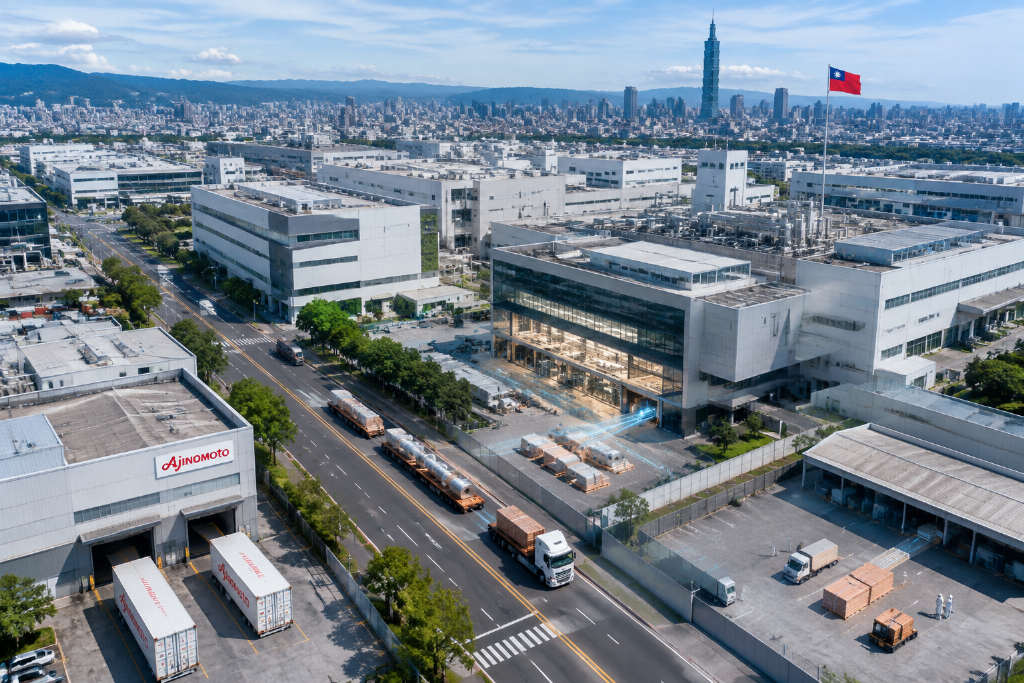
Ajinomoto, the dominant supplier of ABF film used in advanced IC substrates, has told customers it will shift to differentiated allocation because of raw material shortages, prioritizing AI and other high-end applications. A channel survey cited by Meritz Securities said the company’s ABF film lines are expected to be fully loaded through the second quarter of 2026, with little near-term relief from new capacity. The move matters because ABF film is a key insulating layer in FC-BGA packaging for CPUs, GPUs and AI accelerators. While it accounts for only a small part of substrate cost, supply disruptions can halt production lines. The report said Ajinomoto has maintained more than 95% global market share in the segment. The supply squeeze is already showing up in lead times and pricing. Lead times have stretched from three to four months at the start of the year to more than 12 months, and some customers are already discussing 2029 capacity. The article pointed to rising demand from larger AI chips, including NVIDIA’s next-generation Rubin GPU, and expanding CoWoS packaging capacity at TSMC. According to the report, Taiwan’s Unimicron, Nan Ya PCB and Kinsus could benefit first because they already have high-end production scale, yield performance and customer qualifications. At the same time, non-AI customers are likely to face reduced allocation, longer waits and higher costs, while glass substrates are not expected to become a volume replacement before 2027.
3870
Ajinomoto confirms priority ABF film allocation for high-end AI, putting Taiwan substrate makers in focus
PCB
Aug 19, 2026

PCB and IC substrate prices seen rising again in the second half as CCL and glass cloth supplies stay tight

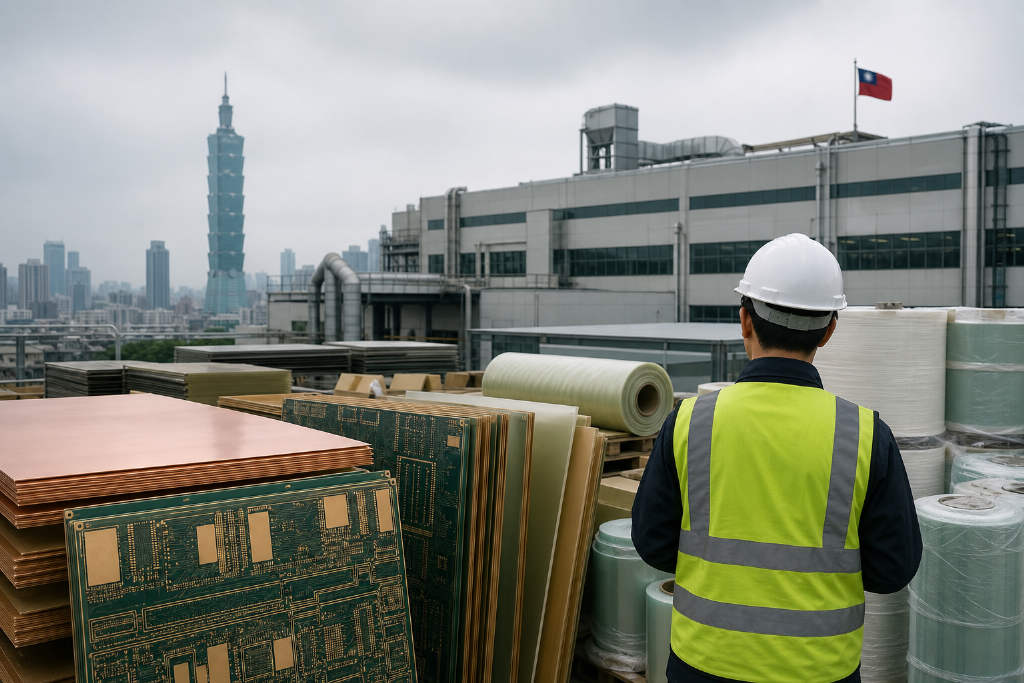
Taiwan’s PCB supply chain is facing another round of price increases in the second half of the year as demand from AI servers and high-performance computing continues to strain supplies of key upstream materials. According to the ABMedia report, shortages in copper clad laminate (CCL), prepreg, low dielectric glass fiber cloth and T-Glass remain difficult to resolve in the near term, after price hikes of 5% to 30% had already hit parts of the sector in the first half. Some of that impact has started to show up in third-quarter financial results. The report said major PCB makers including Tripod Technology, Chin-Poon Industrial, Dynamic Holding and Unitech printed earlier price adjustments, while IC substrate makers Unimicron, Kinsus and Nan Ya Printed Circuit are also expected to benefit if rolling price increases continue through the third and fourth quarters. Industry estimates cited in the report point to a supply gap of more than 60% for second-generation low-DK glass cloth, with T-Glass shortages still widening. Market expectations mentioned in the article suggest CCL supply conditions may not materially ease until new capacity starts coming online in the first quarter of 2027.

2040
PCB and IC substrate prices seen rising again in the second half as CCL and glass cloth supplies stay tight
TSMC
Jul 30, 2026

TSMC said to be developing EMIB-like packaging with Kinsus as Intel wins Apple and Google interest

Taiwan Semiconductor Manufacturing Co. is reportedly working with substrate maker Kinsus Interconnect Technology on an EMIB-like advanced packaging method as competition in AI chip packaging intensifies. The report says Intel’s Embedded Multi-die Interconnect Bridge, or EMIB, has drawn interest from Apple and Google because it allows layered component placement instead of forcing every die onto the same plane. That flexibility is becoming more relevant as AI processors pack in more compute and high-bandwidth memory. Google has spent months validating Intel’s EMIB technology and has asked Intel to package more than 3 million custom AI processors by 2028, according to the report. TSMC, whose main advanced packaging platform remains CoWoS, is facing both architectural constraints and tight capacity. CEO C.C. Wei said on this month’s shareholder call that packaging capacity is extremely tight and cannot fully meet customer demand. In response, TSMC engineers are said to be evaluating a design that would integrate multiple graphics chips within a single package, with Kinsus helping design and manufacture the substrate that carries the silicon bridge and connects the chiplets above it.

3080
TSMC said to be developing EMIB-like packaging with Kinsus as Intel wins Apple and Google interest