Malaysia’s Penang pushes Silicon Island for AI chip investment, but land reclamation is only about one-fifth complete after three years
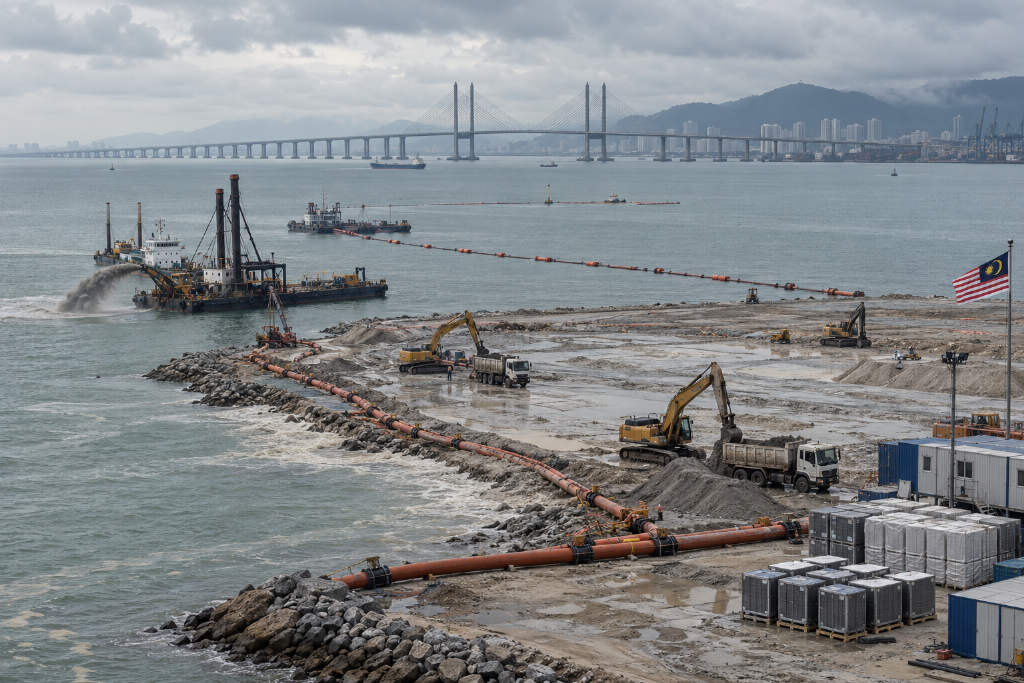
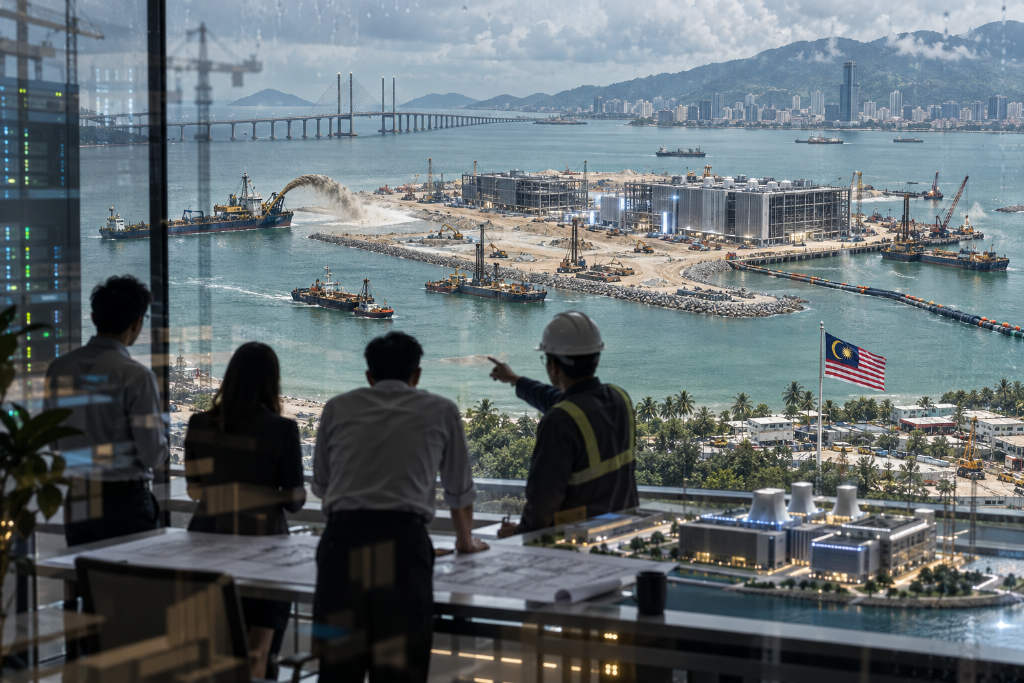
Malaysia is pressing ahead with Silicon Island, a 2,300-acre artificial island off Penang that officials want to turn into a new base for AI chip and semiconductor investment. The project has been promoted as a long-term economic driver, with Penang Chief Minister Chow Kon Yeow saying it could attract RM74.7 billion in investment and contribute as much as RM1.1 trillion to Malaysia’s GDP by 2050. Bloomberg also described the island as part of a broader effort to strengthen Malaysia’s place in the global semiconductor supply chain. The build-out, however, remains at an early stage. After three years of work, more than 480 acres have been reclaimed, or roughly 21% of the planned total. Earlier state targets called for 1,000 acres by the end of 2025, with the first factory to begin construction in 2026 and start operating in 2027. The full reclamation is targeted for 2032, which means the remaining pace would need to rise sharply from the average achieved so far. The project is also facing legal and regulatory questions. On June 30, 2026, Malaysia’s Court of Appeal dismissed an appeal from seven fishermen and two environmental groups as out of time, but also found that Penang planning authorities lacked the power to issue the reclamation planning permission. Separately, supply-chain scrutiny in Penang has intensified after a New York Times report involving electronics contractor Innospec and blacklisted Chinese group Inspur’s U.S. subsidiary Aivres, allegations the company later denied.