HSBC
Jul 28, 2026

HSBC says affluent investors cut crypto allocation to 6%, but 45% still plan to add

HSBC’s Affluent Investor Snapshot 2026 found that global high-net-worth investors now allocate an average of 6% of their portfolios to crypto assets, down 1 percentage point from 2025. The survey covered nearly 10,000 investors and points to a shift in portfolio mix rather than a broad exit from crypto. According to the report, 45% of respondents said they plan to increase their crypto exposure over the next 12 months, while 40% expect to keep allocations unchanged. Only 15% said they intend to reduce their holdings. The report also said cash allocations fell to 19%, with capital moving mainly into equities, gold and alternative investments. HSBC highlighted stable crypto allocation levels in Southeast Asia, with Singapore at 5% and Malaysia at 6%, both unchanged from a year earlier. Looking at a longer timeline, the bank’s 2024 survey had shown average crypto allocation at 12%, meaning the figure has halved over two years. The report measures crypto as a share of total portfolio allocation rather than whether investors hold the asset class at all, a distinction that affects how the 6% average should be read.


1770
HSBC says affluent investors cut crypto allocation to 6%, but 45% still plan to add
HSBC
Jul 28, 2026

HSBC survey shows affluent investors cut average crypto allocation to 6% in 2026

HSBC said in its "Affluent Investor Snapshot 2026" report that a survey of nearly 10,000 high-net-worth investors worldwide found the average allocation to crypto assets stood at 6% in 2026, down 1 percentage point from a year earlier. The decline in current exposure did not erase interest in the sector: 45% of respondents said they plan to increase their crypto allocation over the next 12 months, while 40% said they expect to keep it unchanged. In Southeast Asia, allocations were stable. Investors in Singapore held 5% of their portfolios in crypto assets, and those in Malaysia held 6%, both unchanged from the previous year. The report also showed that global cash allocations fell to 19% over the same period, with capital continuing to move into equities, gold and alternative investments. The findings point to a pullback in present crypto weightings alongside steady forward-looking demand among affluent investors.

2250
HSBC survey shows affluent investors cut average crypto allocation to 6% in 2026
Malaysia Blockchain Week
Jul 23, 2026

Malaysia Blockchain Week 2026 sets Kuala Lumpur stage for Web3 and AI push

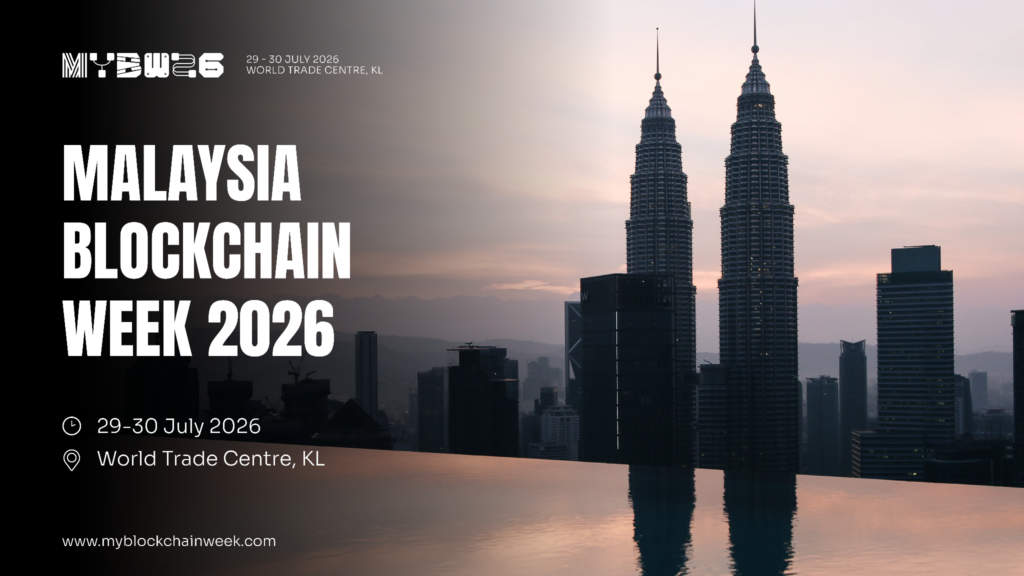
Malaysia Blockchain Week 2026 is scheduled for July 29-30, 2026 at the World Trade Centre Kuala Lumpur, with organizers pitching the event as a platform to position Kuala Lumpur as an emerging Web3 and AI hub in the Asia-Pacific region. The conference will run under the theme “Bridging Realities: Where Everyone Meets Web3,” which the organizers say reflects the intersection of global protocols, local adoption challenges, institutional capital, grassroots builders, AI infrastructure, and blockchain use in real industries. According to the press release provided by ACTIV8 Lab, the event aims to gather developers, investors, enterprises, creators, and newcomers from Malaysia and abroad. Confirmed speakers listed so far include Tron founder Justin Sun, Binance global head of policy Steven Mcwhirter, Visa Asia-Pacific head of digital currency Nischint Sanghavi, Anchorage Digital APAC head Moses Lee, Etherscan CEO Matthew Tan, and CoinGecko co-founder and CEO Bobby Ong. The organizer said the speaker roster will exceed 150 people. Sponsors named in the release include Luno, Base, HATA, Gambit Custody, Cryptobilis, Anchorage Digital, BitGo, TRM Labs, Ledger, and Utila. ACTIV8 Lab, the organizer, said additional speakers, ecosystem partners, and agenda details will be released ahead of the event.

2100
Malaysia Blockchain Week 2026 sets Kuala Lumpur stage for Web3 and AI push
Policy & Regulation
Jul 22, 2026

Malaysia Revokes Network School License, Dealing a Blow to Balaji Srinivasan’s Real-World Network State Trial

Balaji Srinivasan’s Network School, launched in Malaysia’s Forest City as a real-world test of the “Cloud First, Land Last” thesis from his book The Network State, has lost its business license. The Iskandar Puteri City Council revoked the license on July 21, 2026, with the shutdown taking effect on July 22. The move followed a political flare-up in Johor after an anonymous Instagram account alleged that Israelis were present at the school using third-country passports, an accusation that gained weight because Malaysia does not recognize Israel and the two countries have no diplomatic ties. Authorities moved quickly. Malaysia’s Home Ministry stepped in on July 14, and immigration officials checked 266 foreigners from 40 countries the following day, finding all documents valid. Balaji responded on July 16, calling the claims baseless, saying officials were courteous and professional, while arguing that “the process is the punishment.” He also said more than RM100 million had already gone into the project, that it had created dozens of local jobs, and that a planned RM500 million expansion and a global scholarship initiative with the Replit founder would be paused. The episode goes beyond one school. It puts a familiar crypto-era question back on the table: online communities can gather talent, capital, and identity across borders, but once they lease space, teach classes, and move people on the ground, they operate within the reach of licenses, local law, and state power.

2500
Malaysia Revokes Network School License, Dealing a Blow to Balaji Srinivasan’s Real-World Network State Trial
Balaji Srinivasan
Jul 17, 2026

Balaji says investment in Malaysia project is paused as Johor authorities investigate

Network School, a co-living community founded by former Coinbase Chief Technology Officer Balaji Srinivasan, is under investigation by authorities in Johor, Malaysia, according to Techub News, citing the South China Morning Post. Srinivasan said additional investment has been paused for now, and capital could be withdrawn depending on the outcome of talks with local officials. The probe followed online allegations that Israeli individuals were involved in the project and had entered the country using second passports. The episode has also drawn attention to questions around Malaysia's openness to technology talent. The project team is now in communication with authorities, and any follow-up investment decision will hinge on the results of those discussions.

2360
Balaji says investment in Malaysia project is paused as Johor authorities investigate
Malaysia
Jul 17, 2026

Malaysia opens immigration review into Network School as Balaji pauses $122 million expansion

Malaysian authorities have opened an immigration-status review involving Network School, the community founded by Balaji Srinivasan, after social media accusations said it had housed Israeli citizens holding second passports. The country’s immigration department said checks confirmed that documents held by 266 foreign residents were valid, but added that the matter would remain under review if new evidence emerges. Srinivasan has since paused a $122 million expansion plan and is asking the government for written legal assurances. If those guarantees are not provided, he said he may withdraw the investment. The case places the project under regulatory scrutiny at a time when its future presence in Malaysia appears tied to the government’s next response.

2130
Malaysia opens immigration review into Network School as Balaji pauses $122 million expansion
Malaysia
Jul 15, 2026

Johor asks federal government to investigate Balaji Srinivasan’s Network School

Johor state in Malaysia has asked the federal government to investigate Network School, a private residential community founded by former Coinbase chief technology officer Balaji Srinivasan, according to BFM News. The request follows allegations that some Israeli citizens joined the project using third-country passports. State authorities have asked the Home Ministry and related enforcement and security agencies to verify the identities, nationalities, and entry purposes of the individuals involved. They also want to determine whether the project’s operations require registration or official approval under Malaysian law. In parallel, authorities plan to review whether the site complies with rules covering venue permits, building use, land use, accommodation operations, and commercial activities. Johor said legal action will be taken if any violations are found. Network School is located in Forest City, Malaysia, and is described as a private residential community built around Srinivasan’s “Network State” concept. Membership starts at $1,500 per month and includes lodging, meals, fitness facilities, and co-working services.

2270
Johor asks federal government to investigate Balaji Srinivasan’s Network School
Total 55 items
Go topage