memory chips
Nov 5, 2026

Memory shortage seen lasting into 2030 as SK Hynix, Micron and other storage names slide

A market report on Nov. 4 said the memory shortage could last through 2029 or 2030, with bill-of-materials costs for smartphone makers still climbing. Storage stocks sold off sharply in the U.S. that day, with Micron, SanDisk, Western Digital, Seagate, SK Hynix and Kioxia ADR all posting losses, while the Philadelphia Semiconductor Index fell more than 3%. The weakness carried into South Korea on Nov. 5, when the KOSPI dropped more than 5% and shares of SK Hynix and Samsung Electronics fell sharply. The report said major memory suppliers had already warned that tight supply could persist for years. SK Hynix said on Oct. 28 that supply-demand imbalance in memory may last until 2030, citing rising process complexity and the long lead time required to build new production facilities. Samsung, Kioxia and Micron were also described as having sold out much of their forward capacity through long-term agreements, with LTA structures becoming the dominant way to secure supply. The squeeze is now feeding into end-market costs. Apple said on a recent fourth-quarter earnings call that it expects higher memory costs in the first quarter of fiscal 2027, while PC, smartphone, automotive and industrial device makers are also facing tighter supply and higher procurement pressure. The report also pointed to CXMT as an important incremental supplier in the global DRAM market.

710
Memory shortage seen lasting into 2030 as SK Hynix, Micron and other storage names slide
Micron
Nov 5, 2026

Micron maps out DRAM and NAND roadmap with wafer bonding, 3D DRAM and custom AI memory

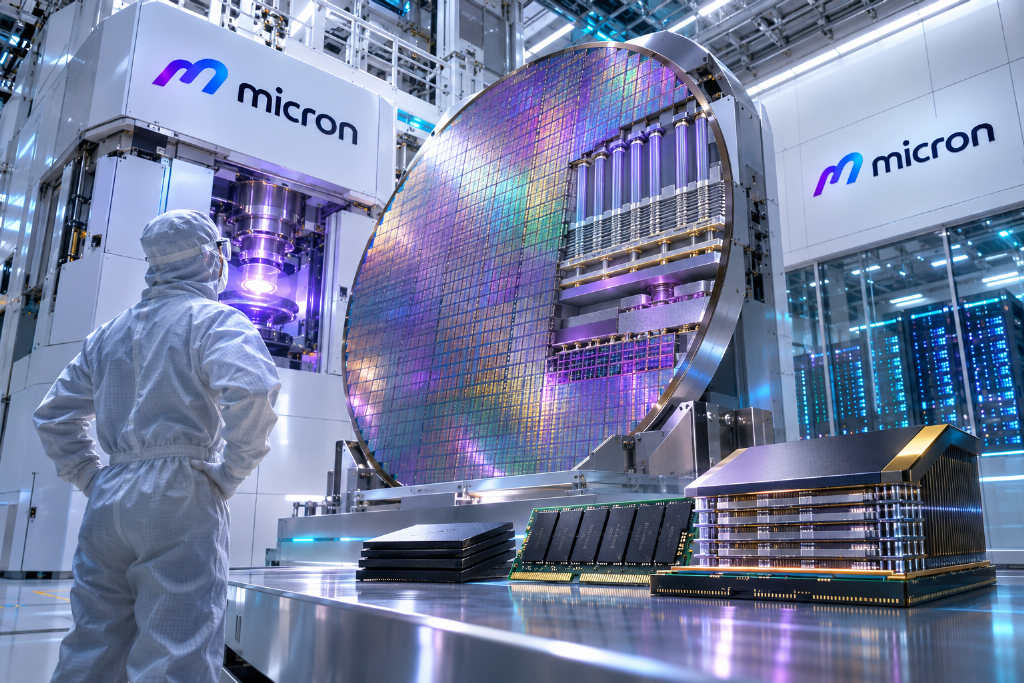
Micron has laid out a multi-year roadmap for DRAM and NAND, showing where it plans to push process technology, packaging and product customization as AI workloads reshape memory demand. The company said it is moving away from 4F² DRAM cells and will instead focus on a path built around 6F²-based DRAM, wafer bonding, High-NA EUV, new materials and, eventually, 3D DRAM. Its 1δ DRAM node is scheduled for mass production in the second half of 2027, while G11 3D NAND is targeting the same production window. The roadmap also puts custom memory much closer to the center of Micron’s strategy. The company outlined plans spanning standard and custom HBM4E, custom HBM5E, vertical HBM, vertical edge inference memory, and AI-focused NAND designs aimed at either high IOPS or high bandwidth. Micron said some of these products will be developed in close collaboration with customers, with co-design now starting at the earliest product-definition stage. Alongside memory-cell scaling, Micron said it expects advances in CMOS logic for peripheral circuitry to lift performance by more than 10x between 2020 and 2030. On NAND, the company is targeting more than 400 layers for G11, a doubling in bit density versus G9, 50% faster I/O and more than 25% lower energy per bit transferred.

640
Micron maps out DRAM and NAND roadmap with wafer bonding, 3D DRAM and custom AI memory
Philadelphia Semiconductor Index
Nov 4, 2026

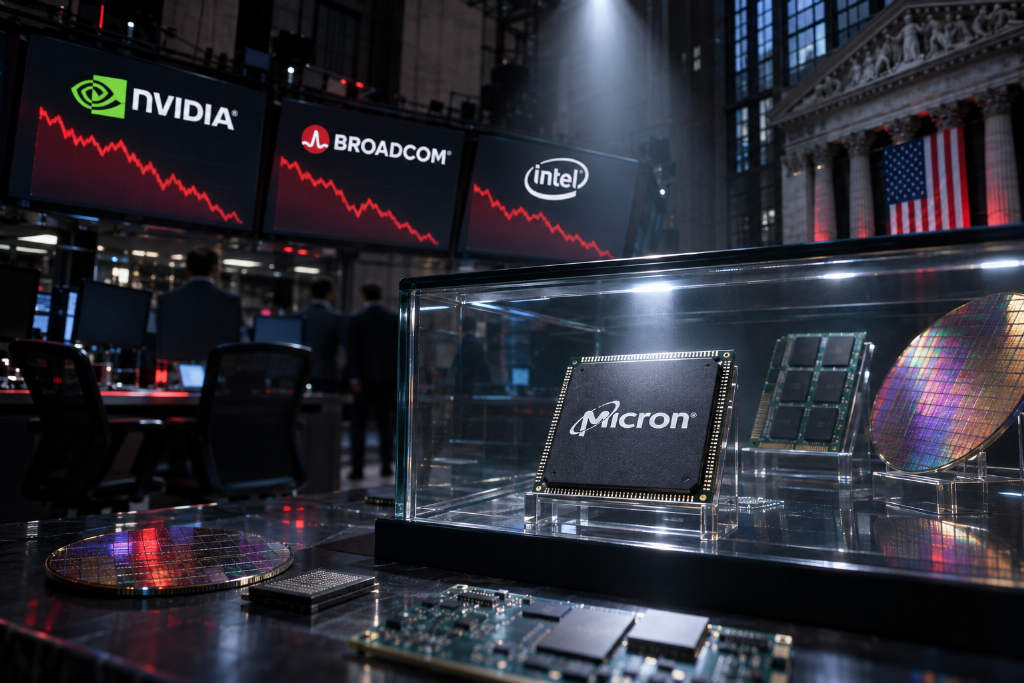
Philadelphia Semiconductor Index Extends Losses to 3%, Micron Down 5.85%

The Philadelphia Semiconductor Index widened its decline to 3%, according to data from MSX.COM cited by Odaily. Among major chip names, Nvidia fell 2.04%, Broadcom lost 2.03%, Micron dropped 5.85%, and Intel slid 4.84%. The update was published as a 7x24 news flash by Odaily, focusing on the latest move in semiconductor equities. No additional market context or cause for the decline was provided in the source. The report listed the index move and the declines in four semiconductor stocks.

470
Philadelphia Semiconductor Index Extends Losses to 3%, Micron Down 5.85%
Market Analysis
Nov 4, 2026

Researcher says China AI stock holders are trapped, calls DRAM the more defensive AI trade

Citrini researcher Jukan said sentiment among investors in Shanghai was worse than he had expected, with many holders of China and Hong Kong AI stocks, as well as South Korean memory names, sitting on losses after a prolonged slide. He said A-shares have not seen a rebound since July, a sharp contrast with the U.S. market, and described the current setup as one of the hardest trading environments he has seen. According to Jukan, the bearish case has grown strong enough to shake even investors who had stayed constructive. Some market participants now argue that the AI trade is over, while others question whether AI capital expenditure plans for 2027, and not just 2028, will be carried out as expected. He said he could not easily dismiss the view that memory prices may start falling from the third quarter of 2027. Even so, Jukan still favors memory stocks, especially DRAM, as a relatively defensive position within the broader AI trade. His case is not built on a bullish call on the cycle. Instead, he points to valuations near 1x price-to-book based on 2027 book value per share and to continued buybacks from Samsung Electronics, SK Hynix, and Micron as potential support if the broader market weakens further.

560
Researcher says China AI stock holders are trapped, calls DRAM the more defensive AI trade
Rootdata
Nov 3, 2026

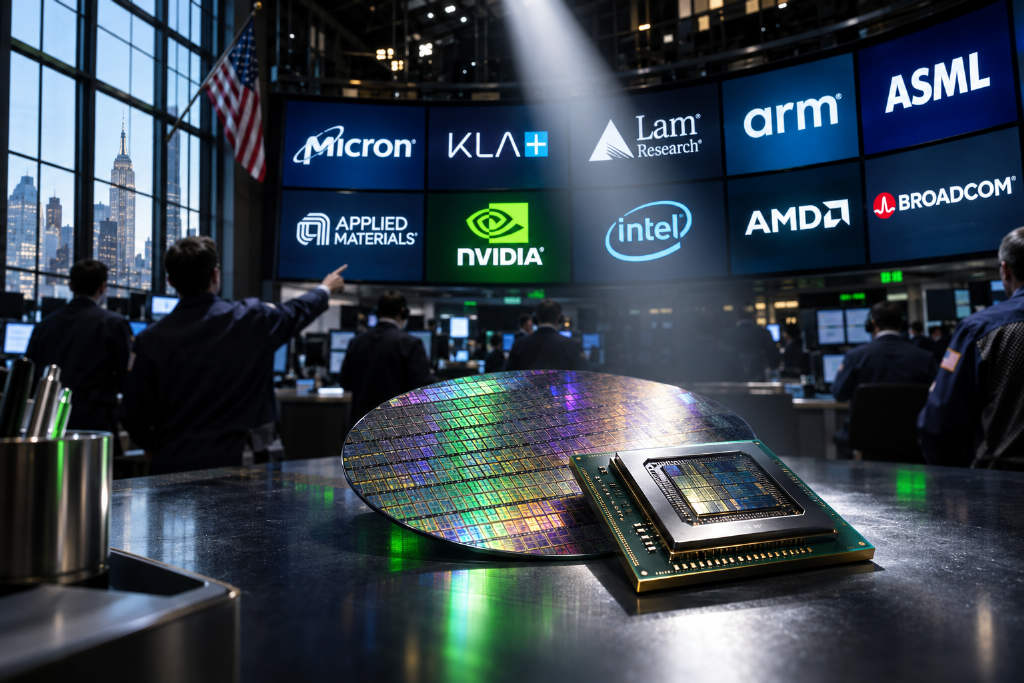
Rootdata data shows broad gains in U.S. chip stocks, with Micron up 3.2% intraday

Rootdata market data showed a broad intraday rise in U.S. semiconductor-related stocks. Micron Technology led the group with a 3.2% gain, followed by KLA at 3% and Lam Research at 2.9%. Arm, ASML, and Applied Materials each rose 2.4%, while Nvidia and Intel both added 2.3%. AMD was up 1.9%, and Broadcom gained 1.5%. The move covered a wide range of major chip names during U.S. trading hours, according to the data cited by ChainCatcher.

610
Rootdata data shows broad gains in U.S. chip stocks, with Micron up 3.2% intraday
CXMT
Nov 2, 2026

CXMT says its sixth-generation DRAM uses 4F² as Micron dismisses some debate around the approach as a “smokescreen”

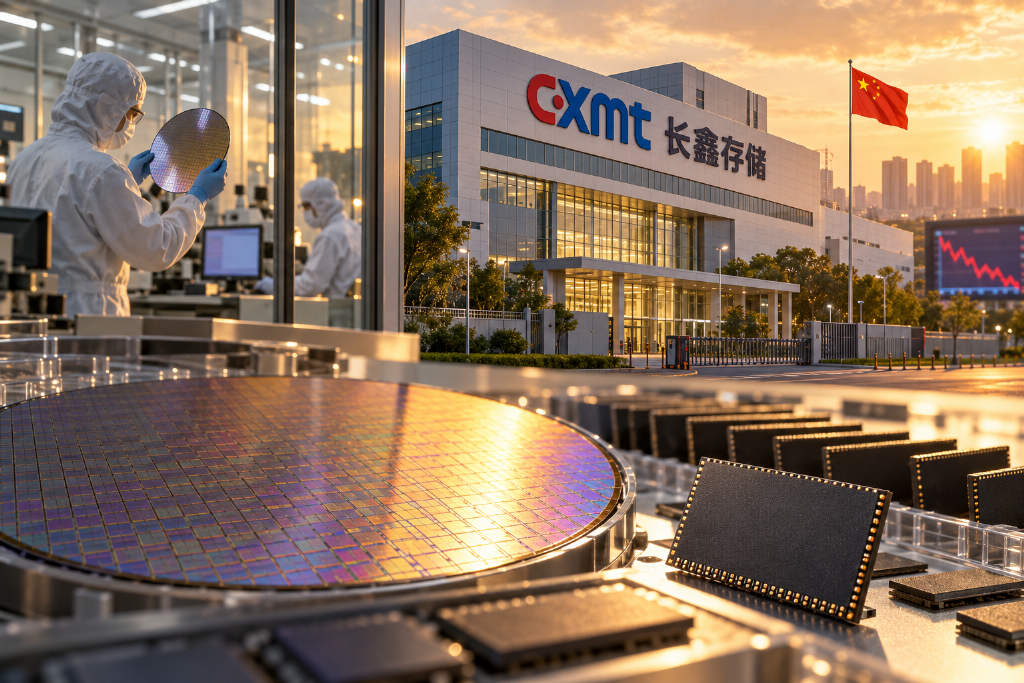
Chinese memory maker ChangXin Memory Technologies, or CXMT, said in an investor relations record that its sixth-generation DRAM platform is built on a 4F² architecture, has passed engineering sample verification, and is expected to deliver its first samples to customers by the end of 2026. The disclosure was widely seen as a response to Micron’s earlier criticism of the 4F² path. Micron president and chief technology and products officer Scott DeBoer said at a technical seminar that the company will stay with 6F² and then move directly to 3D DRAM, adding that Micron has studied 4F² for more than 20 years and views some related discussion as a “smokescreen.” CXMT replied that memory-density gains are a complex system-engineering problem and that different architectures carry different trade-offs in process integration, lithography steps and thermal budget. The company also said its 4F² design uses vertical surround gate transistors and is backed by more than 300 public patent families. Samsung and SK hynix are still advancing their own 4F² work, while commentary cited by local media said CXMT’s update rattled global memory stocks because investors fear aggressive price competition from Chinese suppliers.

680
CXMT says its sixth-generation DRAM uses 4F² as Micron dismisses some debate around the approach as a “smokescreen”
OKXICE
Nov 2, 2026

Nike and four other companies oppose OKXICE tokenization of their shares

Crypto journalist Eleanor Terrett reported that five companies — Nike, Costco, Micron, Reddit, and Nvidia — have objected to OKXICE tokenizing their shares. With these additions, the total number of companies opposing the practice has risen to 50. The report identifies the companies by name and states that their opposition increases the running total, but does not provide further details in the source item. The development was cited through Terrett’s post linked in the source material.

930
Nike and four other companies oppose OKXICE tokenization of their shares
Total 282 items
Go topage