
Moscow Exchange
Nov 3, 2026

Moscow Exchange plans Dec. 1 launch for BTC, ETH and USDT trading

Moscow Exchange plans to open trading in Bitcoin, Ether and Tether’s USDT on Dec. 1, describing the venue as Russia’s first organized digital currency market. The pilot will run on the exchange’s existing stock market infrastructure, with clearing handled by the National Clearing Centre, or NCC. Trading hours are set from 6:50 a.m. to 11:50 p.m. Moscow time, and the initial product set will include same-day settlement, next-day settlement and swap transactions. Under the framework of a Russian cryptocurrency law whose main provisions took effect on Sept. 1, regulated trading is allowed, while the use of crypto to pay for goods and services inside Russia remains banned. Non-qualified investors must pass a test before buying crypto, and annual purchases are capped at 300,000 rubles, or about $3,700, per broker. Exved founder Sergey Mendeleev told Cointelegraph he doubts the market will attract meaningful demand, citing sanctions on the exchange and NCC and warning that spreads could be extremely wide, though he said the model may still have value for cross-border payments.

740
Moscow Exchange plans Dec. 1 launch for BTC, ETH and USDT trading
Taiwan
Jul 19, 2026

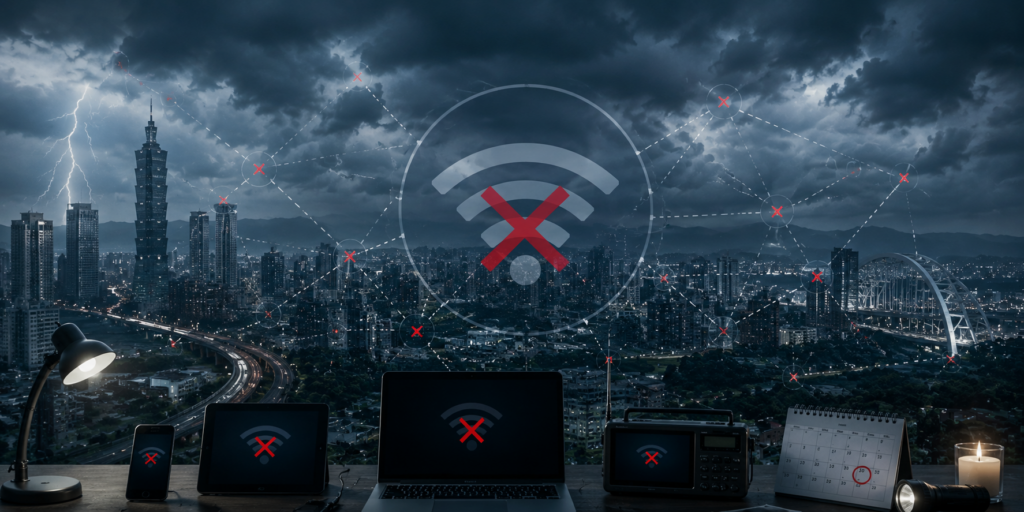
Taiwan to simulate wartime mobile network disruption across 14 cities and counties in August

Taiwan will stage its first-ever drill simulating restricted mobile internet access during wartime or a major disaster, with exercises set for Aug. 10 and Aug. 13 across 14 cities and counties in central and northern Taiwan. Under plans outlined by the National Communications Commission, the scenario will involve both disaster roaming and tiered traffic throttling, with limited bandwidth redirected to voice calls, text messages and government alert systems. For roughly 30 minutes during each drill, residents are expected to notice slower mobile data speeds, while social media, video streaming and other high-bandwidth services may become difficult or impossible to use. Phone calls, SMS and official alerts are expected to continue operating normally. Authorities have also advised the public to look up nearby shelters in advance through designated police and disaster-prevention platforms, then save screenshots locally on their phones for offline access if the network becomes congested. The report said this is the first time the urban resilience exercise has formally incorporated offline backup planning for digital public services.

590
Taiwan to simulate wartime mobile network disruption across 14 cities and counties in August

