Moscow Exchange
Nov 4, 2026

Moscow Exchange to launch BTC, ETH and USDT trading on Dec. 1, with retail investors facing a test

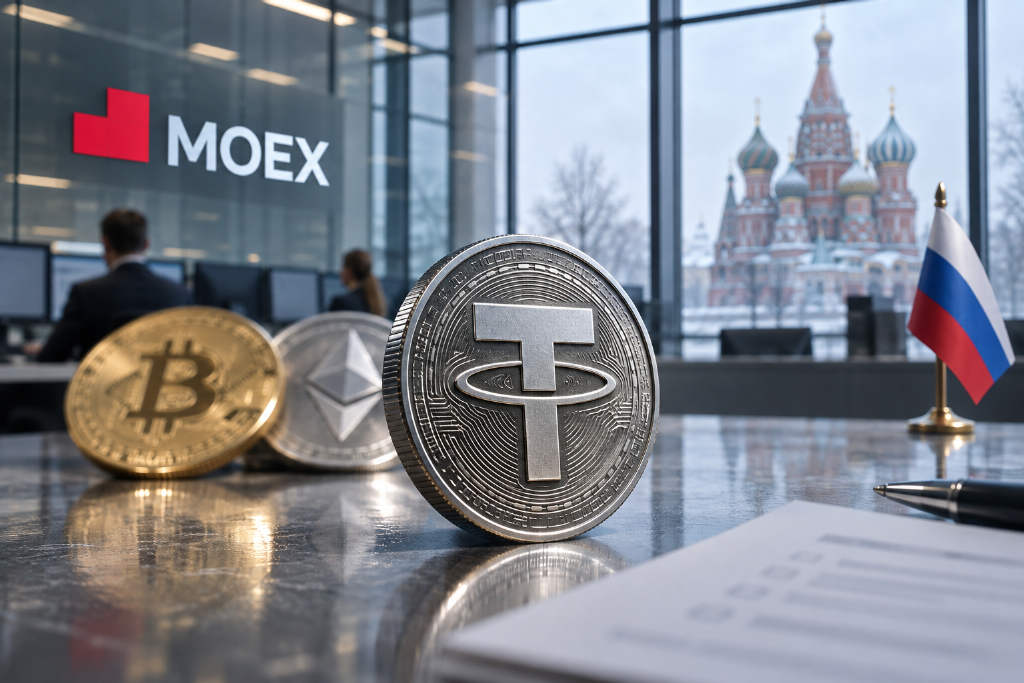
Russia’s largest securities venue, the Moscow Exchange, said it will open trading in Bitcoin, Ether and USDT from Dec. 1 under the country’s Digital Currency and Digital Rights Law, which took effect on Sept. 1. The exchange’s Nov. 2 notice describes the platform as Russia’s first organized cryptocurrency market. Trading hours will match the stock market, from 6:50 a.m. to 11:50 p.m. Moscow time, with the National Clearing Centre handling settlement. Same-day and next-day settlement will be available, along with swap transactions for funding management. Retail access will be restricted. Under Russian rules, non-qualified investors must pass a test and may buy no more than 300,000 rubles, about $3,700, in crypto per year through a single broker, while qualified investors face no cap. The launch also raises sanctions questions. The U.S. Treasury’s Office of Foreign Assets Control added both the Moscow Exchange and the National Clearing Centre to its sanctions list in June 2024. That makes USDT the most sensitive of the first listed assets, because Tether can freeze wallets tied to sanctioned entities. CoinDesk said it had asked Tether how USDT held at a sanctioned clearing institution would be handled, but had not received an answer.

650
Moscow Exchange to launch BTC, ETH and USDT trading on Dec. 1, with retail investors facing a test
Policy Regulation
Oct 31, 2026

TRM says 34 casinos in Sihanoukville took in about $1.07 billion in crypto in 2026

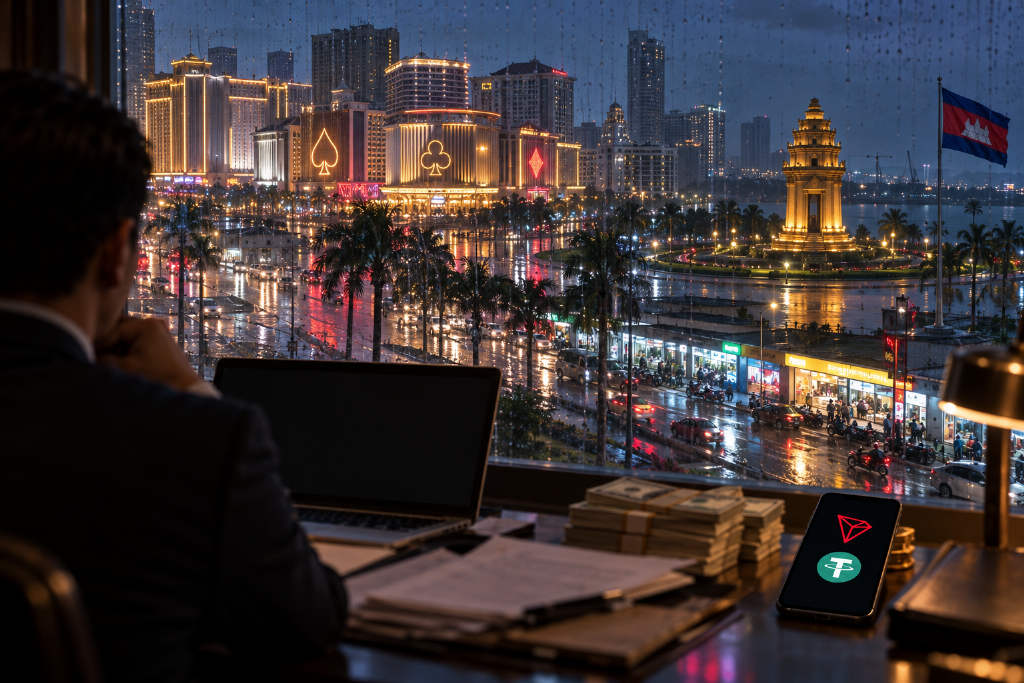
TRM data shows that 34 land-based casinos in Sihanoukville, Cambodia, received about $1.07 billion in cryptocurrency between Jan. 1 and Sept. 7, 2026. The data says 64% of those funds went to casinos linked to networks sanctioned by the U.S. Treasury’s Office of Foreign Assets Control, or OFAC. It also says 99.9% of the transfers were made in USDT on the TRON blockchain. Monthly inflows averaged $148 million from January through May, then fell to about $95 million in July and August, though the flows did not stop. According to the report cited by ChainCatcher, the casinos converted USDT into cash and carried out little to no necessary customer due diligence. The report also says pawn shops, supermarkets and exchange counters across the city offered services to swap cryptocurrency for cash.

1260
TRM says 34 casinos in Sihanoukville took in about $1.07 billion in crypto in 2026
North Korea
Oct 30, 2026

US sanctions 10 people and one entity over North Korean fake IT worker scheme

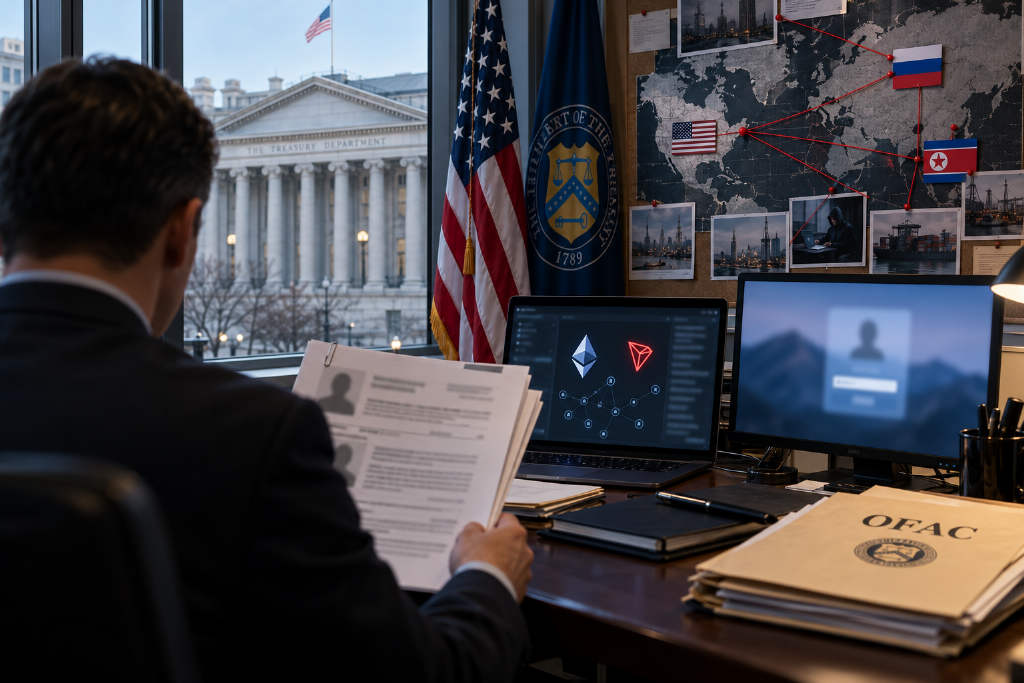
The US Treasury Department said on Oct. 28 that the Office of Foreign Assets Control, or OFAC, had sanctioned 10 individuals and one entity tied to a network that allegedly helped North Korea place fake IT workers inside US companies and move the proceeds through cryptocurrency and cross-border financial channels. Treasury said two Russia-based intermediaries were involved in crypto transactions worth about $2 million and $3.5 million, while other named individuals allegedly moved additional crypto and financial assets on behalf of North Korean teams operating in Russia. The sanctions also cover First Financial and Technical Development Center, or FFTDC, a Russia-based organization described by Treasury as controlled by North Korea. Treasury said six North Korean IT workers linked to FFTDC generated more than $750,000 in income starting in 2025. TRM Labs’ sanctions data analysis identified eight addresses on the Ethereum and Tron blockchains connected to the latest designations. Under OFAC rules, property and interests in property of sanctioned parties that are in the United States, or held or controlled by US persons, must generally be blocked, and US persons are barred from engaging in prohibited transactions without authorization.

670
US sanctions 10 people and one entity over North Korean fake IT worker scheme
Chainalysis
Oct 29, 2026

Chainalysis traces North Korean crypto cash-outs through Garantex after US sanctions

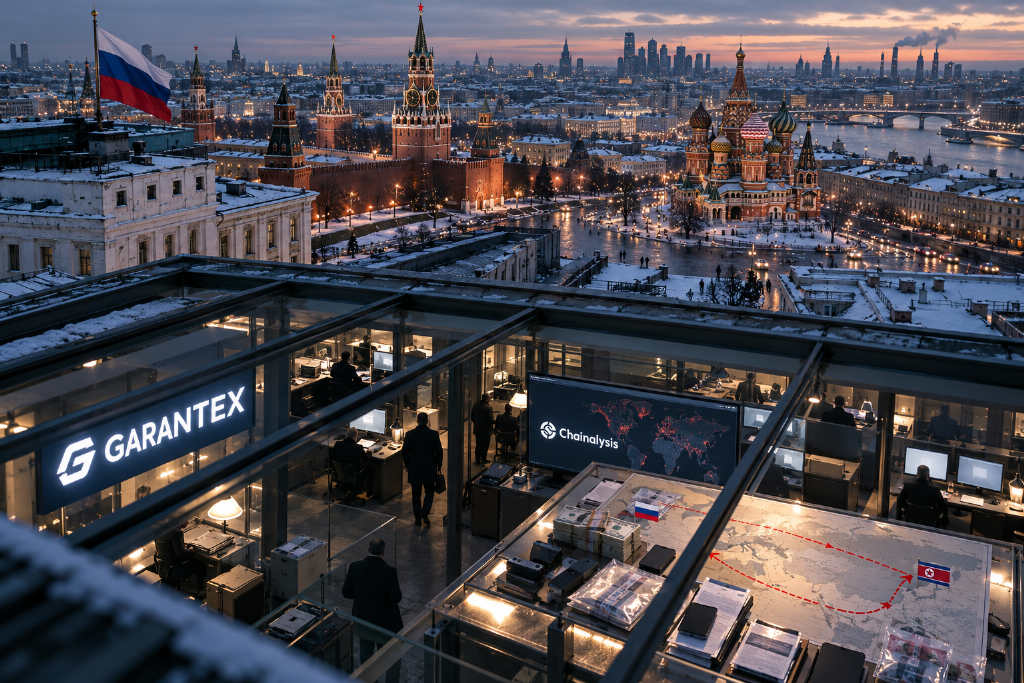
Chainalysis said it identified a long-running network of Russian intermediaries that helped North Korean IT workers cash out millions of dollars in cryptocurrency, shortly after the US Treasury sanctioned 10 individuals and one entity tied to the scheme. According to the Treasury’s Office of Foreign Assets Control, the sanctioned parties supported North Korean government-run IT worker operations that funded the country’s weapons programs. Among those named were Russian nationals Ilya Aleksandrovich Boykov and Vitold Viktorovich Obertas. Treasury said Boykov converted about $3.5 million in crypto for sanctioned company Alis since 2024, while Obertas handled nearly $2 million in crypto conversions for North Korean officials starting in January 2025. Chainalysis described one flow in which a wallet linked to a North Korean IT worker received recurring stablecoin payments, swapped them into Ether, routed the funds through consolidation addresses, and sent them to Boykov, who then transferred the crypto to Russian exchange Garantex for cash-out. The report comes as US authorities continue to target North Korean fake IT employment schemes tied to crypto theft.

640
Chainalysis traces North Korean crypto cash-outs through Garantex after US sanctions
US Treasury
Oct 28, 2026

US Treasury sanctions 10 individuals and one entity over North Korean IT worker fraud and crypto laundering

The US Treasury Department’s Office of Foreign Assets Control said it has sanctioned 10 individuals and one entity tied to a network involving North Korean IT workers, fraud against US companies, and cryptocurrency laundering. Treasury said the proceeds were used to support North Korea’s weapons of mass destruction and ballistic missile programs. Among those named were Russian national Ilya Boykov, who Treasury said had exchanged about $3.5 million in cryptocurrency for North Korea’s Alis company since 2024, and Russian national Vitold Obertas, who was accused of carrying out nearly $2 million in crypto conversions for North Korean officials since January 2025. The sanctions also cover FFTDC, a North Korea-controlled entity based in Russia, along with six IT workers linked to it. Treasury said those six workers generated more than $750,000 starting in 2025. Australia and the European Union also took similar sanctions actions this month.

550
US Treasury sanctions 10 individuals and one entity over North Korean IT worker fraud and crypto laundering
US Treasury
Oct 28, 2026

OFAC sanctions 10 individuals and one entity over North Korea-linked crypto conversion activity

The U.S. Treasury Department’s Office of Foreign Assets Control, or OFAC, has sanctioned 10 individuals and one entity tied to a scheme involving North Korean IT workers that allegedly defrauded U.S. companies. According to the announcement cited by ChainCatcher, the proceeds were used to support North Korea’s weapons of mass destruction and ballistic missile programs. Among those named, Russian national Ilya Boykov was accused of converting about $3.5 million in cryptocurrency for North Korea’s Alis company starting in 2024. Another Russian national, Vitold Obertas, was said to have carried out nearly $2 million in crypto conversions for North Korean officials beginning in January 2025. OFAC also sanctioned FFTDC, a North Korea-controlled entity based in Russia, along with six IT workers linked to it. Those six workers generated more than $750,000 starting in 2025, according to the report. Australia and the European Union also took similar sanctions actions this month.

560
OFAC sanctions 10 individuals and one entity over North Korea-linked crypto conversion activity
Tether
Oct 20, 2026

Tether pushes back on U.S. Senate sanctions compliance scrutiny with enforcement data

Tether Chief Executive Officer Paolo Ardoino publicly responded on Oct. 20 to a sanctions compliance investigation report released earlier by the U.S. Senate Permanent Subcommittee on Investigations. In a post on social media, Ardoino said that since 2023, Tether has frozen implicated addresses an average of four weeks before formal sanctions actions by the Office of Foreign Assets Control, or OFAC, and other regulators. He also said Tether acted ahead of official labels from blockchain analytics firm Chainalysis in 99% of cases. Tether used those figures to defend its compliance record as lawmakers questioned whether USDT had been used by sanctioned Iranian-linked networks. According to the Senate report led by Senator Richard Blumenthal, 84% of transactions involving 846 Iranian-linked wallets identified as sanctions or seizure targets relied primarily on USDT. The report called on the U.S. Department of Justice and the Treasury Department to open a deeper anti-money laundering probe. Tether said its own coordination records show that, in 2026 alone, it helped law enforcement agencies in multiple countries freeze about $550 million in Iranian-linked assets. The company also said its targeted blocking actions cut Iranian-linked on-chain stablecoin transaction volume by 94%.

670
Tether pushes back on U.S. Senate sanctions compliance scrutiny with enforcement data
Total 102 items
Go topage