Fairshake
Nov 4, 2026

Fairshake loses some of its aura as more than a third of spending misses the mark

CoinDesk reported that Fairshake, the crypto industry’s main campaign vehicle, is no longer looking quite as unstoppable as its reputation suggested. The group had built an image as a dominant force in political spending, but the latest assessment shows that a meaningful share of its efforts did not land as intended. According to the report, more than one-third of Fairshake’s spending failed to hit the mark. Ohio stood out in particular as a weak spot. The result cuts against the narrative that the super PAC could reliably translate heavy spending into political wins across the board. While the report does not add further detail on individual races or dollar figures, it frames the outcome as a notable setback for one of the crypto sector’s most prominent political organizations.
560
Fairshake loses some of its aura as more than a third of spending misses the mark
AI
Nov 4, 2026

Voters in at Least 29 U.S. Communities Back Curbs on AI Data Center Development

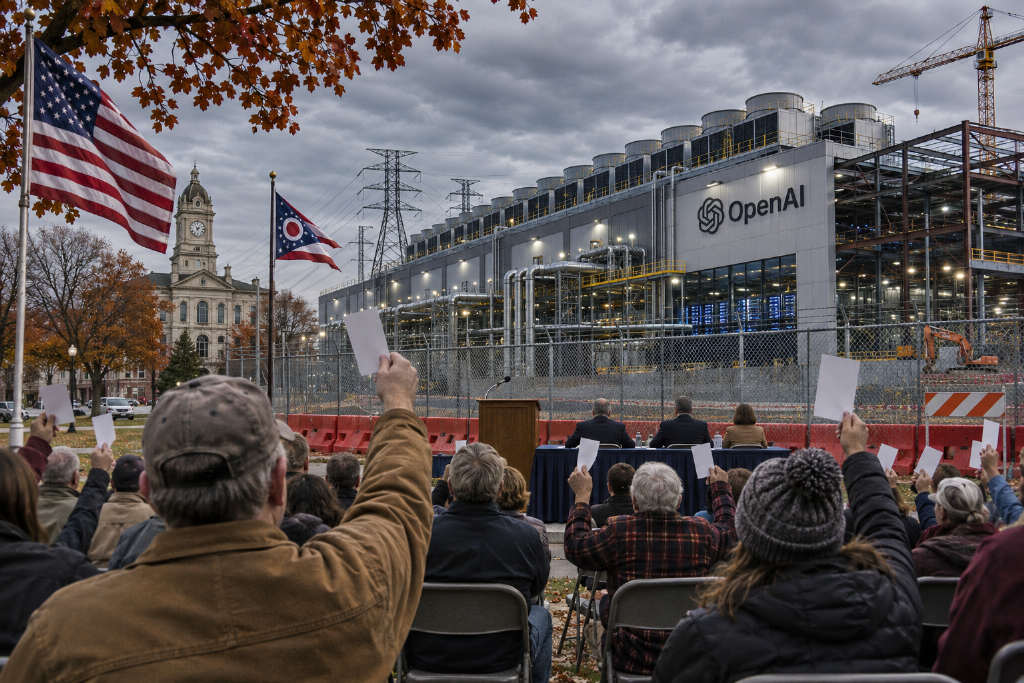
Voters in at least 29 U.S. jurisdictions supported bans or new limits on data center development in Tuesday’s elections, according to The Washington Post, adding fresh resistance to the infrastructure expansion behind artificial intelligence. The ballot measures took several forms, including outright bans, requirements for additional public approval, and advisory votes that do not automatically halt construction. Ballotpedia tracked 41 data-center-related measures across 10 states on Nov. 3, with 28 structured so a yes vote would restrict development and 13 designed to permit or support projects, meaning a loss on those measures could also count as a setback for developers. Ohio delivered some of the strongest results, with all 10 charter measures backed by Conserve Ohio passing and more than three-quarters of voters in Hubbard supporting a ban. Similar margins appeared in Granville, Trenton, and Sunbury. Illinois and Wisconsin also saw local votes against or slowing proposed projects. The pushback centers on electricity demand, utility costs, grid capacity, water use, noise, and concerns over deals made without public scrutiny. At the same time, AI companies are increasing lobbying and public relations efforts, while industry figures such as BlackRock CEO Larry Fink warn that broad moratoriums could threaten U.S. AI investment and the wider economy.

790
Voters in at Least 29 U.S. Communities Back Curbs on AI Data Center Development
Policy and Regulation
Nov 4, 2026

Sherrod Brown returns to the Senate after Ohio win despite more than $63 million in crypto-backed opposition

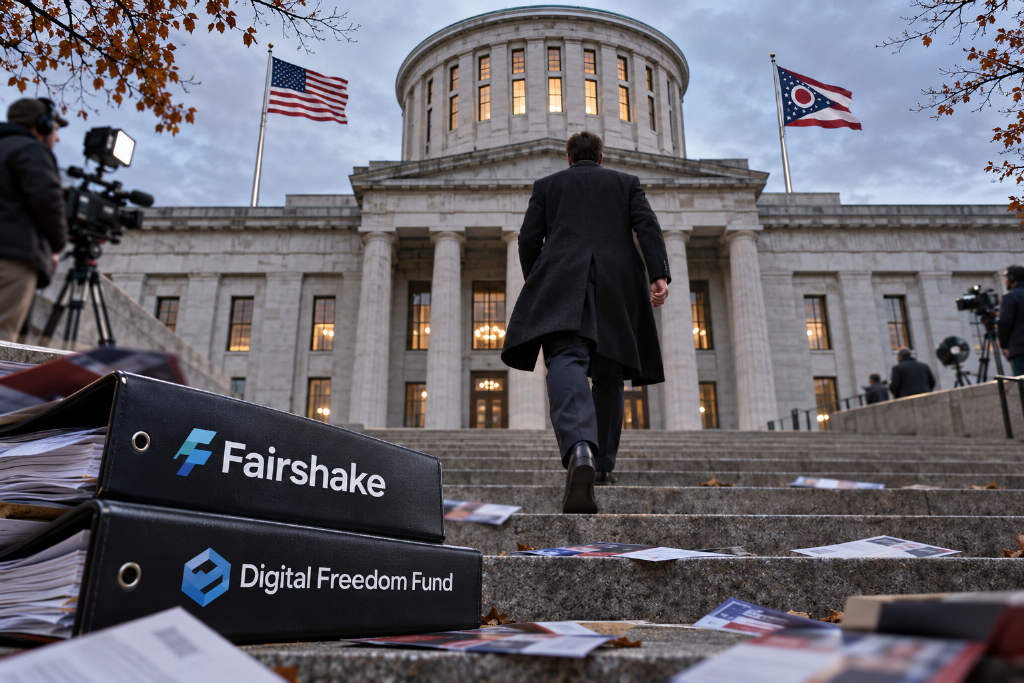
Former Ohio Senator Sherrod Brown defeated incumbent Republican Senator Jon Husted in the Nov. 3 midterm election and is heading back to the U.S. Senate, according to an Associated Press race call made at 11:13 p.m. Eastern on Election Day. Brown later posted on X that the victory belonged to "all of us" and thanked Ohio voters. The race became the crypto industry’s biggest spending battle of the year, but the money did not change the outcome. CoinDesk reported that crypto super PACs Fairshake and Digital Freedom Fund together spent more than $63 million opposing Brown, making it the industry’s most expensive effort against a single candidate in this cycle. Earlier reports had put Fairshake’s planned spending at $30 million, but later Federal Election Commission filings cited by Decrypt showed affiliated group Defend American Jobs had already spent about $46.66 million against Brown by Oct. 15, including roughly $7 million in new spending, alongside parallel expenditures supporting Husted. Brown, a longtime crypto critic and former chair of the Senate Banking Committee, had taken a more restrained tone during the campaign, with his campaign manager saying he recognized cryptocurrency as part of the U.S. economy and would remain open-minded on issues before the Senate.

470
Sherrod Brown returns to the Senate after Ohio win despite more than $63 million in crypto-backed opposition
US politics
Nov 4, 2026

CNN: Democrat Brown wins Ohio Senate seat

According to CNN, Democrat Brown won the U.S. Senate seat in Ohio. Foresight News noted that in Ohio, crypto political action committees spent at least $55 million opposing Brown. That figure was well above the roughly $40 million they spent in 2024, when they successfully removed him from his Ohio Senate seat. The update links the election result with the scale of crypto-backed political spending in the state, while attributing the race call to CNN and the spending comparison to Foresight News.

1010
CNN: Democrat Brown wins Ohio Senate seat
Policy and Regulation
Nov 3, 2026

Crypto PACs pour more than $100 million into two Ohio races to stop Sherrod Brown

Crypto-backed political groups have spent more than $100 million across two Ohio Senate contests centered on Sherrod Brown, turning the former Senate Banking Committee chair into one of the industry’s biggest political targets in Washington. After helping unseat Brown in 2024 with roughly $40 million in support for Republican Bernie Moreno, Fairshake and affiliated groups returned for the 2026 Ohio special Senate election with an even larger war chest. Their spending in the state has reached nearly $56 million, and a PAC backed by Gemini co-founders Cameron and Tyler Winklevoss has added about $7.2 million, bringing this year’s total to roughly $63 million. The campaign is notable because Brown, while a longtime critic of crypto, was not seen as the most aggressive opponent in the Democratic Party and had signaled some openness in 2024 to discussing stablecoin and market structure legislation. Still, his former control over the Senate Banking Committee agenda made him a central obstacle for an industry seeking clearer rules on digital assets and the division of authority between the Securities and Exchange Commission and the Commodity Futures Trading Commission. The fight has also exposed divisions inside crypto politics. Some Democratic allies and industry advocates argue that spending tens of millions against Brown could make bipartisan negotiations on market structure legislation harder, even as Fairshake says it backs pro-crypto candidates in both parties.

490
Crypto PACs pour more than $100 million into two Ohio races to stop Sherrod Brown
Policy Regulation
Nov 1, 2026

Crypto industry spends about $63 million to block Sherrod Brown’s return to Congress

The U.S. crypto industry is spending about $63 million in an effort to stop former Senator Sherrod Brown from returning to Congress in Ohio, according to CoinDesk. Of that total, crypto super PAC Fairshake has put in nearly $56 million, while a political action committee tied to the Winklevoss brothers has added about $7.2 million. Including spending from the 2024 election cycle, the industry’s political outlays aimed at Brown have now topped $100 million over the past two years. Recent polling shows Brown holding a slight lead over current Senator Jon Husted, though most surveys still place the race within the margin of error. Prediction market Kalshi gives Brown a 68% chance of winning and also puts the odds of Democrats retaking control of the Senate at 68%. Brown previously served as chair of the Senate Banking Committee and did not advance crypto legislation during that period. CoinDesk said a Democratic Senate majority could put Elizabeth Warren in line for the committee chair, while Brown could also secure an influential committee role that may affect the progress of crypto market structure bills including the CLARITY Act.

580
Crypto industry spends about $63 million to block Sherrod Brown’s return to Congress
Policy Regulation
Nov 1, 2026

Ohio race involving Sherrod Brown seen as key risk for crypto next year

CoinDesk said one of the biggest political questions hanging over the crypto industry is whether Sherrod Brown, described as one of the sector’s political adversaries in Ohio, can ride a backlash against Donald Trump back into the U.S. Senate. The outlet framed the issue as a high-stakes test for the industry after spending $63 million, with the outcome carrying implications for how difficult the policy environment could become next year. In CoinDesk’s telling, Brown’s edge in Ohio is being watched closely because a return to the Senate could translate into a tougher stretch for crypto in 2027. The report did not provide additional details in the summary cited here beyond that central political calculation.

460
Ohio race involving Sherrod Brown seen as key risk for crypto next year
Polymarket
Oct 21, 2026

Polymarket US Sues Ohio Over Order to Halt Sports Contracts

Polymarket US has sued the state of Ohio after regulators demanded that the exchange immediately stop offering sports contracts and provide written confirmation of compliance by Oct. 16. In the case, the company is seeking both a preliminary injunction and a permanent injunction to block the state’s action. The dispute centers on Ohio’s crackdown on the platform’s sports-related contracts, setting up a legal fight over whether the state can force an immediate halt to that part of the business. The available report does not include additional details about the complaint, the court, or any response from Ohio, but it makes clear that Polymarket US is asking the judiciary to intervene before the state’s order takes effect in full.

670
Polymarket US Sues Ohio Over Order to Halt Sports Contracts
Total 23 items
Go topage