Solana
4 days agoNews Editor

Machine.fun launches on Solana with public fundraising and trading support

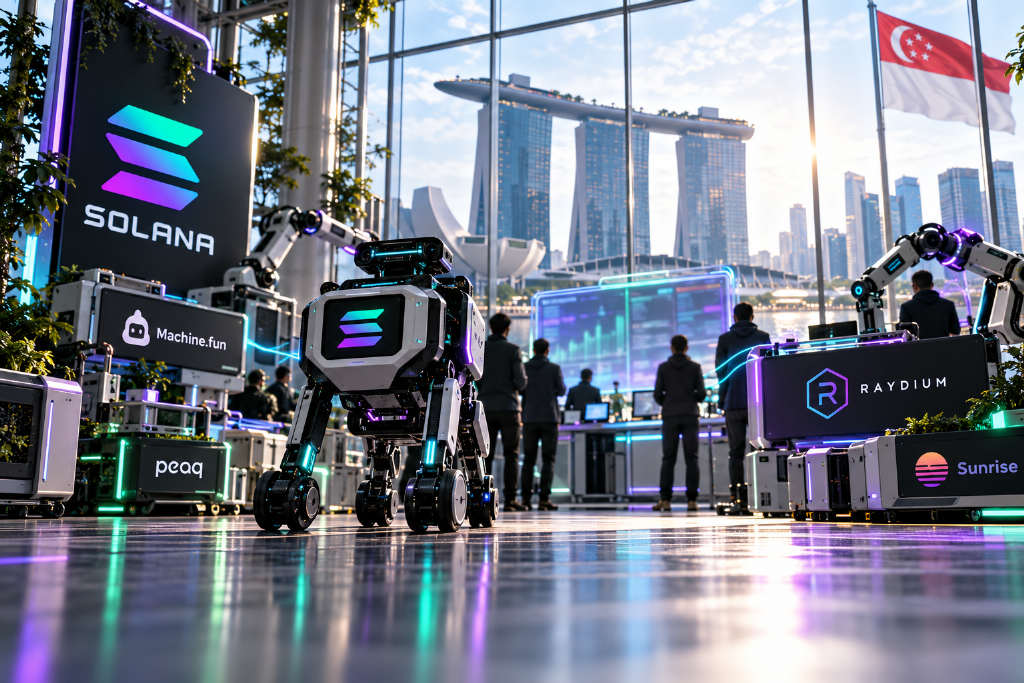
Machine.fun, a robot project launch platform under Peaq, has gone live on Solana, according to a post from Solana’s official X account, @solana. The platform has integrated Sunrise and Raydium and is designed to let users bring real-world machine devices on-chain, raise funds for them publicly, and enable trading from day one. Techub reported that the platform is built on Raydium’s LaunchLab and is backed by Codec OpenFlow and Peaq. The update points to a new route for machine-based projects to access on-chain fundraising and immediate market trading within the Solana ecosystem.

310
Machine.fun launches on Solana with public fundraising and trading support
token unlock
2 months agoNews Editor

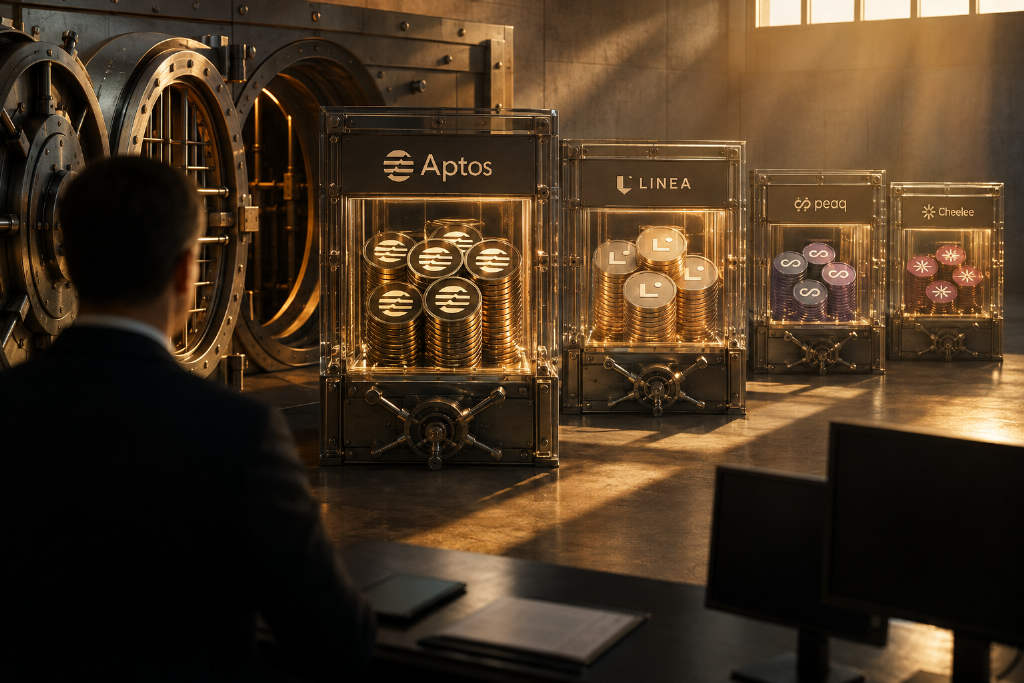
Massive Token Unlocks This Week: APT, LINEA, PEAQ, CHEEL Exceed $10M

According to Token Unlocks data, several projects including Aptos (APT), Linea (LINEA), peaq (PEAQ), and Cheelee (CHEEL) are set to undergo large one-time token unlocks this week with a total value exceeding $10 million. LINEA will unlock 960 million tokens on Sept 10 (~$2.75M), APT 11.31 million on Sept 11 (~$7.09M), PEAQ 84.84 million on Sept 12 (~$2.2M), and CHEEL 6.42 million on Sept 13 (~$2.24M). These unlocks represent varying percentages of circulating supply.

2050
Massive Token Unlocks This Week: APT, LINEA, PEAQ, CHEEL Exceed $10M
Policy and Regulation
2 months agoNews Editor

Crypto Projects Target a Narrow Gap in Robotics: Identity, Wallets and Micropayments

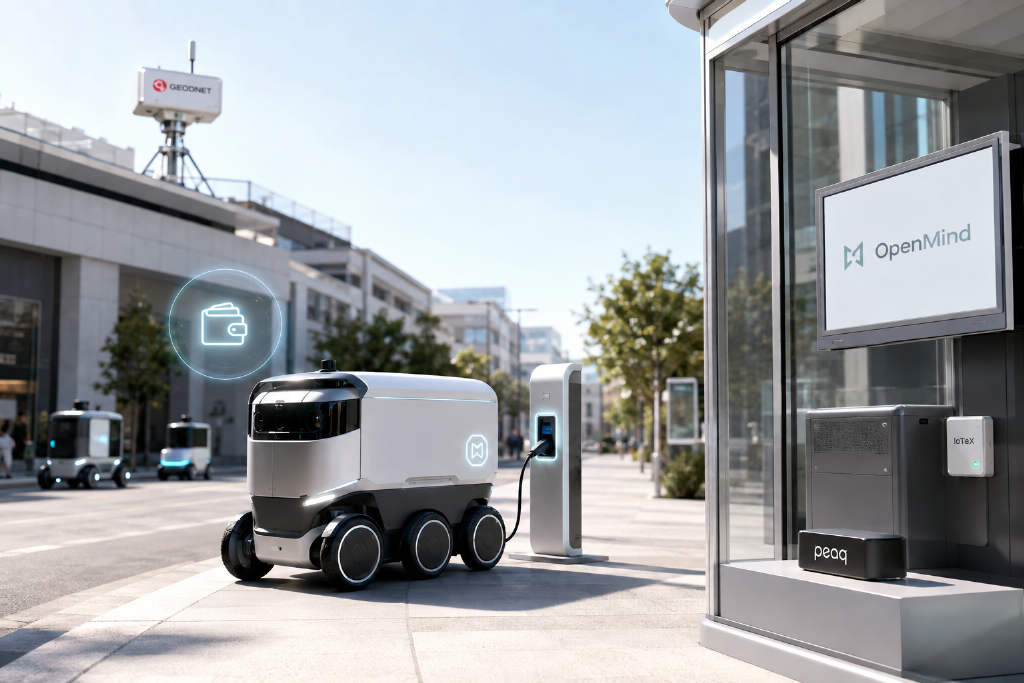
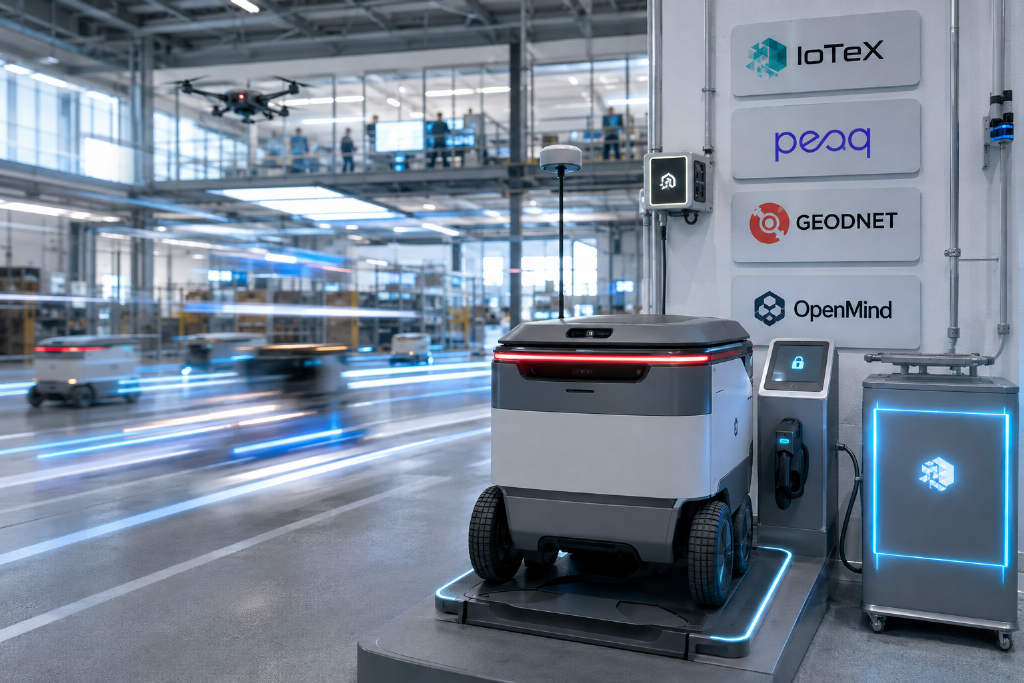
A growing group of crypto companies is trying to solve a practical problem in robotics rather than selling a vague future vision: how machines can pay for small real-world services and prove who they are when dealing with unfamiliar counterparties. The thesis starts with a simple mismatch. Traditional payment rails were built for relatively infrequent, higher-value transfers, while robots may need to pay a few cents at a time for charging, connectivity, location data or compute. In that setting, fixed card fees and wire costs quickly become uneconomic. The article traces how several projects are approaching different parts of that stack. GEODNET uses token incentives to build RTK positioning infrastructure. OpenMind is developing a common operating layer and testing gas-free USDC micropayments. IoTeX focuses on hardware identity and proof of real-world actions. peaq is building a broader machine registry, credit framework and settlement layer, while also experimenting with tokenized machine revenue through Initial Machine Offerings. At the same time, the report draws a clear boundary around the market. Most robots do not need autonomous payment or onchain identity because they already operate inside closed systems run by large companies such as Amazon, Tesla or other platform operators. That leaves crypto serving a smaller segment: open, cross-operator and non-closed-loop machine networks.

2630
Crypto Projects Target a Narrow Gap in Robotics: Identity, Wallets and Micropayments
Robotics
2 months agoNews Editor

Why Robots May Need Wallets, Identity, and DePIN Rails in an Open Machine Economy

A growing set of crypto and DePIN projects is trying to solve a narrow but real problem in robotics: how physical machines can pay for services, prove who they are, and work with third parties outside closed corporate systems. The article argues that robot adoption itself does not depend on crypto. What crypto can add is a coordination layer for situations where robots owned by different parties need instant authorization, low-cost micropayments, and a verifiable service history. That need only appears in specific cases. Most robots inside Amazon-style warehouses, platform-controlled delivery fleets, or vertically integrated industrial systems do not require independent wallets. The model becomes relevant when ownership is fragmented, transactions are tiny, no centralized platform clears payment, and service access has to be granted on the spot. The piece maps that stack across several projects. GEODNET focuses on high-precision RTK positioning. OpenMind is building a shared operating layer and testing gasless USDC micropayments. IoTeX works on device identity and proof of real-world activity. peaq is assembling identity, ownership, credit scoring, and multi-network settlement for machines. Even so, the author frames the sector as a small niche inside a much larger robotics market. The real question is not whether robots need crypto by default, but whether open robotic labor markets ever become large enough to need it.

2180
Why Robots May Need Wallets, Identity, and DePIN Rails in an Open Machine Economy
Total 13 items
Go topage