Vitalik Buterin
Sep 28, 2026

Vitalik says Ethereum is evolving beyond a blockchain into a “cryptographic world computer”

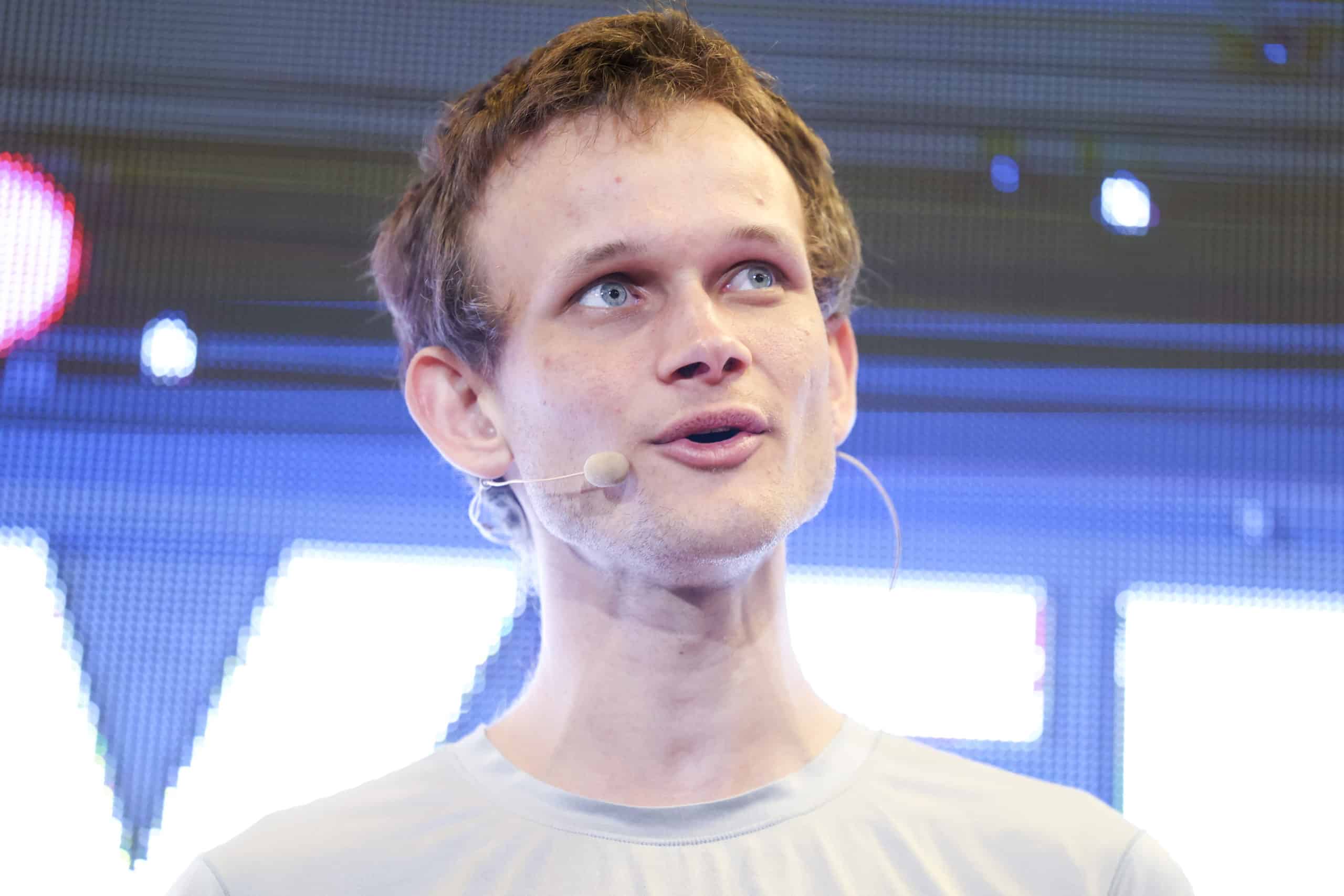
Vitalik Buterin argues that calling Ethereum a blockchain is increasingly a matter of historical convention rather than a full description of what the network is becoming. In a written expansion of his keynote delivered during Shanghai Blockchain International Week, he compares Bitcoin’s original white paper model with Ethereum’s architecture across 2015, 2025 and 2030, laying out how verification, consensus, block building, storage and privacy are being rebuilt around proof-of-stake, zero-knowledge proofs and PeerDAS. The piece says Ethereum has already moved far from the simple ledger model associated with early blockchains. Today’s network supports general-purpose computation, proof-of-stake, onchain applications using zero-knowledge proofs and layer-2 systems aimed at scaling and privacy. Looking ahead, Buterin describes a system with flexible computation, multi-party block construction, more optimized PoS and zero-knowledge proofs embedded deep in the protocol. He also frames the shift in practical terms. Application developers, he says, will need to think much more carefully about computation structure, because future architectures will reward workloads that can be split, parallelized or preprocessed before final inclusion onchain. The article also points to Hegota as what may be Ethereum’s last “regular hard fork,” after which upgrades are expected to center on recursive STARKs, automated formal verification, highly optimized consensus and system-wide quantum resistance.


1120
Vitalik says Ethereum is evolving beyond a blockchain into a “cryptographic world computer”
Ethereum
Sep 26, 2026

Vitalik says Ethereum’s PeerDAS has run stably for nearly a year

Ethereum co-founder Vitalik Buterin said in a post on X that PeerDAS has been running stably for nearly a year with almost no issues, calling it an "underrated achievement" by Ethereum client developers. He described PeerDAS as a complex undertaking and said it represents the first blockchain system at scale to reach consensus on data availability without requiring any single node to download a full block. In his description, the design enables decentralized consensus without full data replication. The remarks frame PeerDAS as a notable technical milestone for Ethereum’s client ecosystem, with Buterin highlighting both its operational stability over the past year and the difficulty of the engineering work behind it.

730
Vitalik says Ethereum’s PeerDAS has run stably for nearly a year
Ethereum
Sep 26, 2026

Vitalik Buterin says PeerDAS has run stably for nearly a year

Ethereum co-founder Vitalik Buterin said PeerDAS has been running stably for nearly a year with almost no issues, calling it an underappreciated achievement by Ethereum client developers. He described PeerDAS as a complex undertaking and said it represents the first blockchain system at scale to reach consensus on data availability without requiring any single node to download a full block. In his account, the design makes decentralized consensus possible without full data replication. The remarks frame PeerDAS not as a routine upgrade, but as a technical milestone tied to how blockchain networks can verify data availability more efficiently while avoiding the need for every node to hold the entire block payload.

760
Vitalik Buterin says PeerDAS has run stably for nearly a year
Total 9 items
Go topage