Philippines
Oct 4, 2026

Philippine AMLC freezes more than 100 accounts and crypto wallets tied to corruption probe

The Philippines’ Anti-Money Laundering Council, or AMLC, has secured a court-issued freeze order covering more than 100 financial accounts and other assets linked to a lawmaker, as well as several individuals and entities, according to The Philippine Star. The assets are suspected to be connected to corruption, plunder, and irregularities involving flood control projects. The freeze order covers 86 bank accounts, four investment accounts, one insurance policy, and 25 virtual asset wallets. AMLC said the funds moved through multiple virtual asset service providers and several virtual asset wallets, which made tracing more difficult. The council did not disclose the identity of the lawmaker or the other parties involved.

850

Philippine AMLC freezes more than 100 accounts and crypto wallets tied to corruption probe
GCash
Oct 2, 2026

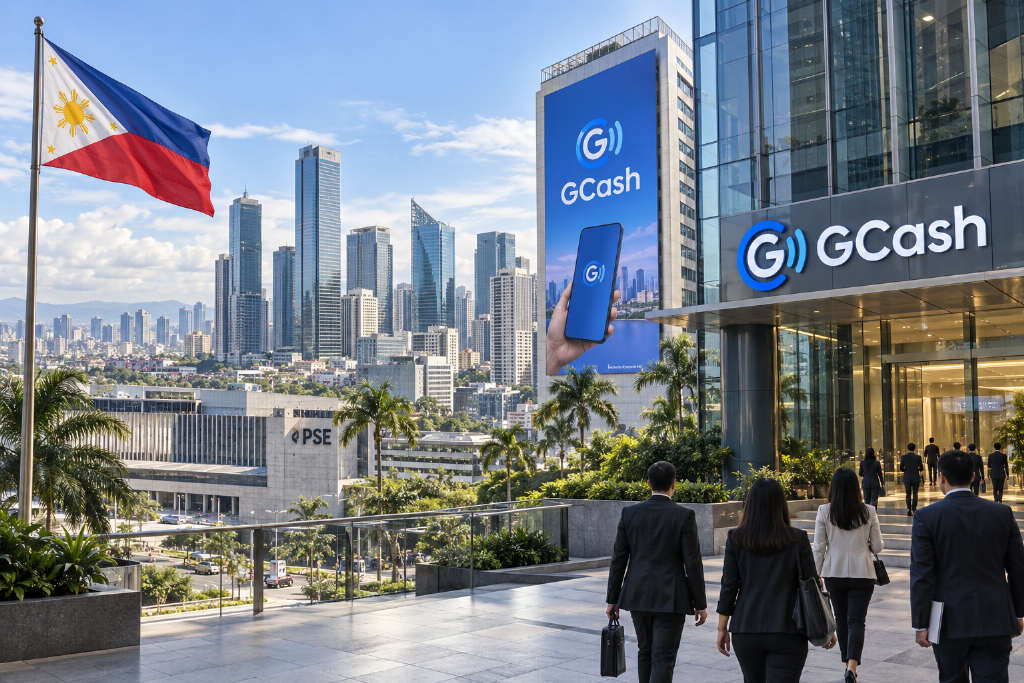
GCash sets IPO price at 66 Philippine pesos per share

Philippine payments platform GCash has set the final price for its initial public offering at 66 Philippine pesos per share, or about $1.06. The pricing came in below the company’s earlier valuation ambitions, marking a step down from its initial target. Even so, the deal remains one of the more closely watched fintech listings in Southeast Asia in recent months. The update was cited by Techub News, which referenced Tech in Asia. No additional deal terms were disclosed in the source material.

1010
GCash sets IPO price at 66 Philippine pesos per share
Singapore
Sep 30, 2026

Singapore crypto activity rose 55.4% to $284 billion, reclaiming top CSAO position

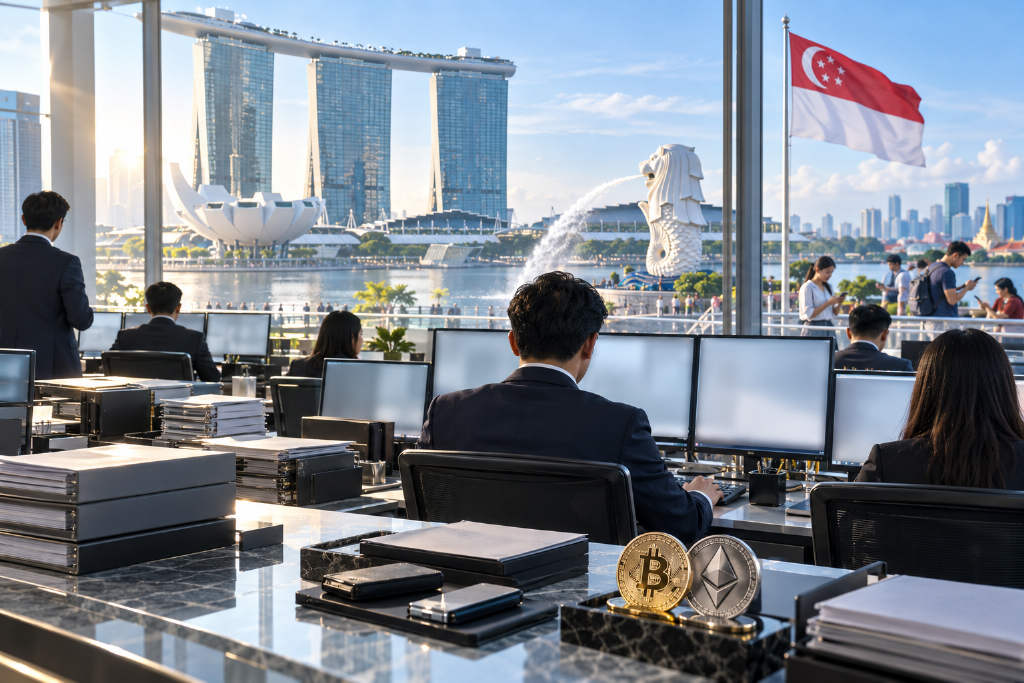
Singapore’s crypto economic activity climbed 55.4% year over year to $284 billion in the 12 months through June 2026, making it once again the largest crypto economy in Central, Southern Asia and Oceania, or CSAO, according to a Techub News item citing Wu Blockchain. That gain came even as overall crypto activity across the CSAO region fell 6.8% over the same period. A major driver was institutional platform activity in Singapore, which jumped 94% to $60 billion. The report said the increase was mainly pushed by large trades from a small number of market makers, over-the-counter trading firms, and institutional brokers. Elsewhere in the region, retail-sized peer-to-peer flows stood out in the Philippines, Thailand, and Vietnam. The three countries recorded a combined 5.4 million P2P transfers below $10,000, accounting for 14.4% of comparable transactions worldwide. The figures point to a split regional picture: large institutional flows concentrated in Singapore, while smaller-value P2P usage remained active in parts of Southeast Asia.

1300
Singapore crypto activity rose 55.4% to $284 billion, reclaiming top CSAO position
Singapore
Sep 30, 2026

Chainalysis says Singapore crypto activity hit $284 billion as institutional trading surged

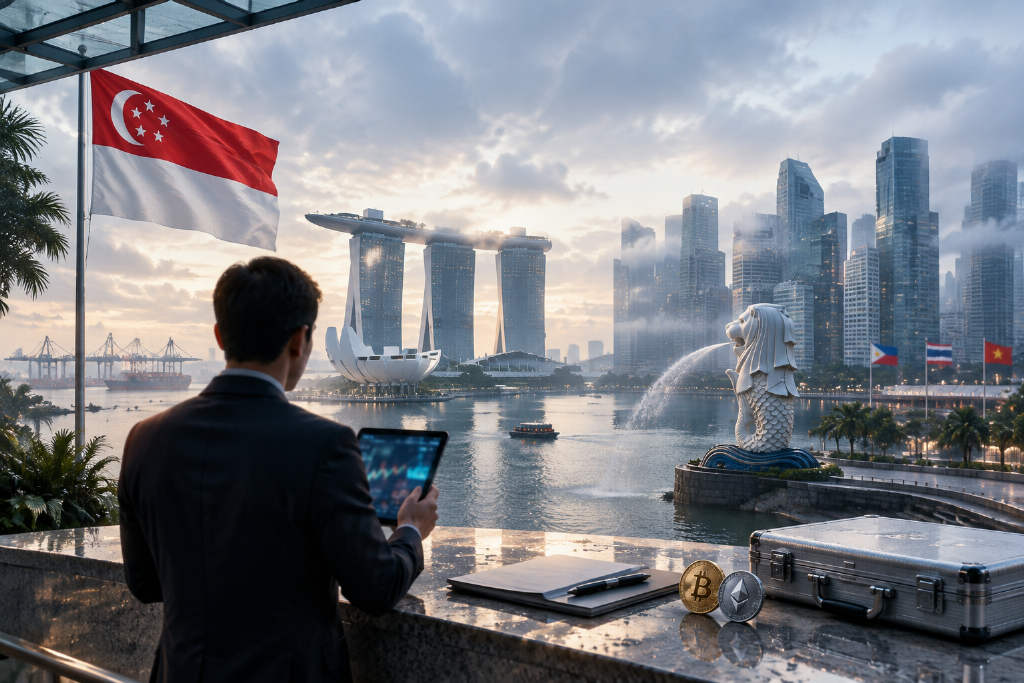
Singapore posted the strongest crypto growth in Central and Southern Asia, Southeast Asia and Oceania over the year ended June 2026, with total activity rising 55.4% to $284 billion, according to Chainalysis. The report said the gain came largely from institutional platform activity, which jumped 94% to $60 billion and was concentrated among a small group of market makers, over-the-counter desks and institutional brokerages. That expansion came even as the broader CSAO region contracted 6.8% over the same period. The data arrived as Singapore continued to tighten rules for crypto firms while also backing tokenization, stablecoins and digital-asset settlement. In 2025, the Monetary Authority of Singapore required locally based crypto firms serving overseas customers to obtain a license or leave the market. StraitsX CEO Tianwei Liu said that shift reduced speculative activity while leaving more banks and large companies using blockchain in production. MAS has also pushed ahead with initiatives including BLOOM, which supports trials involving regulated stablecoins and tokenized bank money. Ripple joined the program on March 25 to test cross-border trade settlement using RLUSD. Elsewhere in the region, Chainalysis found heavy small-value P2P usage in the Philippines, Thailand and Vietnam, alongside rising cross-border stablecoin flows.

1330
Chainalysis says Singapore crypto activity hit $284 billion as institutional trading surged
Space Network
Sep 29, 2026

Space Network signs $50 million binding pre-order with Philippines-based HQ Company

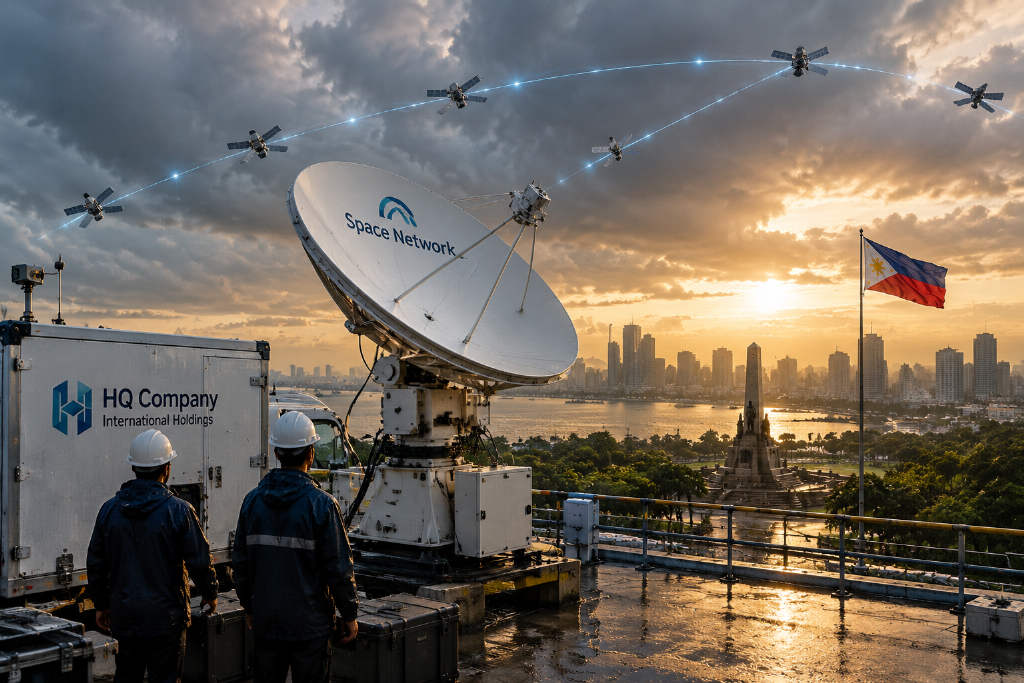
Space Network said it has signed a binding $50 million pre-order with HQ Company International Holdings in the Philippines to deploy its Freeport low-Earth-orbit satellite communications network in the country. The company described Freeport as a decentralized satellite internet infrastructure project it is developing. Under the plan disclosed by Space Network, the constellation is expected to scale to about 230 satellites by 2029. HQ Company will handle local commercial operations in the Philippines, including customer acquisition and spectrum licensing. The announcement points to a concrete regional deployment arrangement, with Space Network supplying the network infrastructure and its local partner taking charge of market-side execution and regulatory work tied to spectrum access.

1100
Space Network signs $50 million binding pre-order with Philippines-based HQ Company
BSP
Sep 7, 2026

Philippine Central Bank Proposes 12-Month OPS Registration Moratorium, Tighter VASP Rules

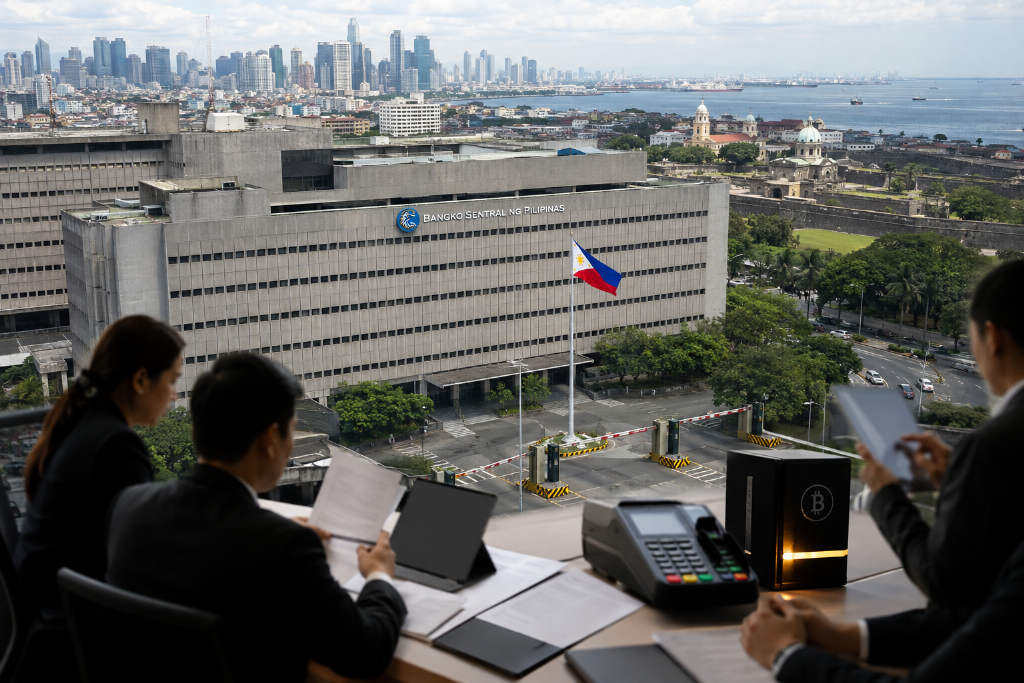
The Bangko Sentral ng Pilipinas (BSP) has issued a draft circular proposing a 12-month suspension of new registrations for Operators of Payment Systems (OPS), aiming to review the classification and licensing framework. During the moratorium, pending applications will be assessed but not approved or denied. The draft also tightens rules for Virtual Asset Service Providers (VASPs), requiring supervised institutions to deal directly with licensed VASPs and apply enhanced due diligence. The measures apply to virtual asset entities authorized by BSP or other regulators. Public comments are open; if approved, the rules take effect 15 days after publication.

1420
Philippine Central Bank Proposes 12-Month OPS Registration Moratorium, Tighter VASP Rules
Philippines
Sep 7, 2026

Philippine central bank proposes 12-month freeze on new payment operator registrations and tighter VASP controls

The Bangko Sentral ng Pilipinas (BSP) has proposed a 12-month pause on accepting and processing new applications for operators of payment systems, part of what it described as a broader review of its taxonomy and licensing framework. Under the draft circular, applications filed before the suspension could still be evaluated, but the central bank would withhold approval or denial decisions until the pause ends, and entities would not be allowed to begin activities that require OPS registration unless specifically authorized. The proposal also targets payment arrangements involving virtual asset service providers. BSP-supervised institutions that offer merchant acquisition services would need to handle regulated VASPs through direct merchant arrangements, with those relationships subject to enhanced due diligence, ongoing monitoring, transaction and settlement limits, and other risk-based controls. The requirement would apply to virtual asset firms that must be licensed, registered or authorized by the BSP, the Philippine Securities and Exchange Commission, or another authority. If finalized, the draft would take effect 15 days after publication. The BSP is currently accepting feedback.

1120
Philippine central bank proposes 12-month freeze on new payment operator registrations and tighter VASP controls
Philippines
Sep 7, 2026

Philippines Central Bank Proposes 12-Month Freeze on New Payment System Registrations, Tightens Crypto Rules

Bangko Sentral ng Pilipinas (BSP) aims to suspend new registration of Payment System Operators (OPS) for 12 months to review classification and licensing frameworks. Pending applications will be evaluated but not approved. The draft also mandates stricter controls for Merchant Acquirers serving Virtual Asset Service Providers (VASPs), including enhanced due diligence and risk-based measures. If passed, the rule takes effect 15 days after publication; BSP is now soliciting public comments.

1620
Philippines Central Bank Proposes 12-Month Freeze on New Payment System Registrations, Tightens Crypto Rules
Total 36 items
Go topage