Peter Thiel on AI, stagnation and the West: a last bid for civilizational escape
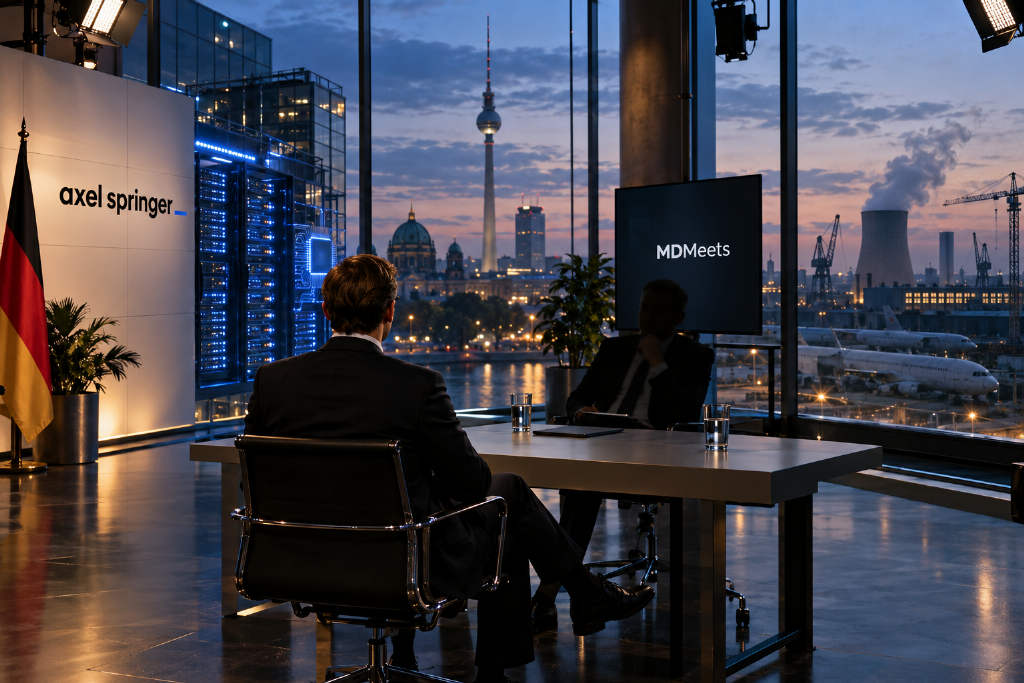
Peter Thiel used a wide-ranging interview on Mathias Döpfner’s "MDMeets" to restate a thesis he has defended for years: the West has not been living through uninterrupted technological acceleration, but through decades of stagnation in the physical world. In his framing, computers, software and the internet transformed the world of bits, while breakthroughs tied to atoms lagged behind. That imbalance, he argued, sits behind political polarization, zero-sum economic conflict and the weakening of the intergenerational bargain that underpins social stability.
Thiel did not dismiss the possibility that advanced AI could become dangerous, and said even a 5% or 10% chance of catastrophe would be alarming. Still, he argued that fear of existential risk cannot justify freezing progress altogether. A society that stops evolving, he said, would not remain safely stable; it would fracture. He also warned that any real attempt to slow AI globally would require a level of seamless coordination that could drift toward a single world government with coercive power.
Beyond AI, the interview moved through Europe’s loss of competitiveness, German politics, Donald Trump, J.D. Vance, Javier Milei, founder psychology, longevity research and Thiel’s rejection of "mind uploading." His bluntest line was reserved for leadership itself: the deeper problem in politics and business, he said, is not evil but incompetence. That judgment, together with his claim that many people privately fear an emerging global authoritarian order, gave the conversation its starkest edge.