Musk says Cybertruck production will run through late summer 2027
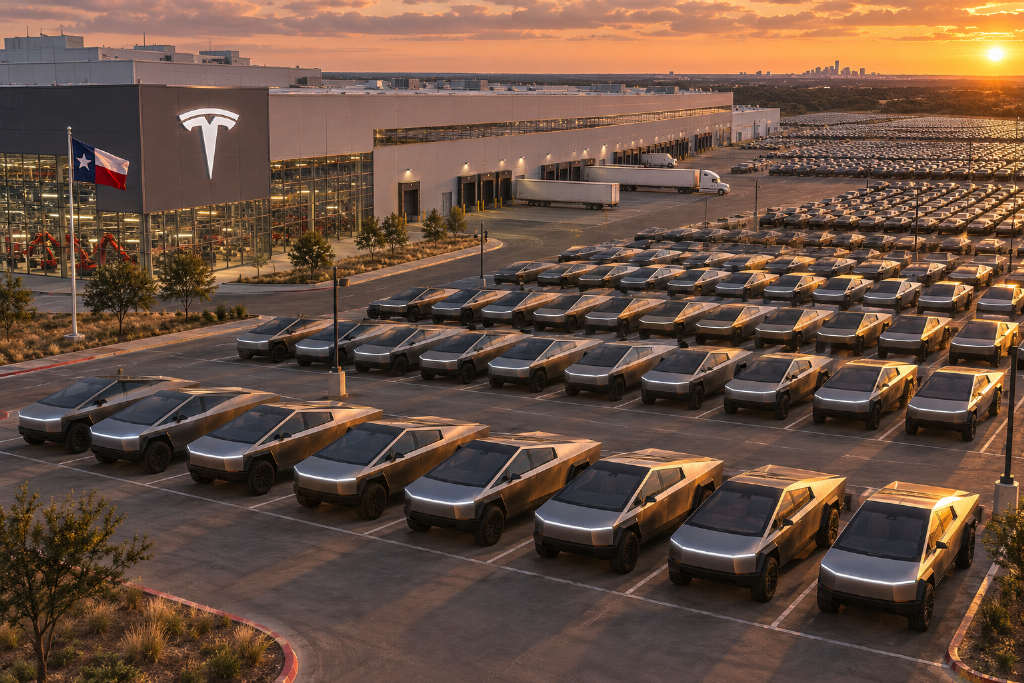
Elon Musk said Cybertruck production will be extended through late summer 2027 to work through more backlogged orders, according to ChainCatcher.
90

Elon Musk said Cybertruck production will be extended through late summer 2027 to work through more backlogged orders, according to ChainCatcher.
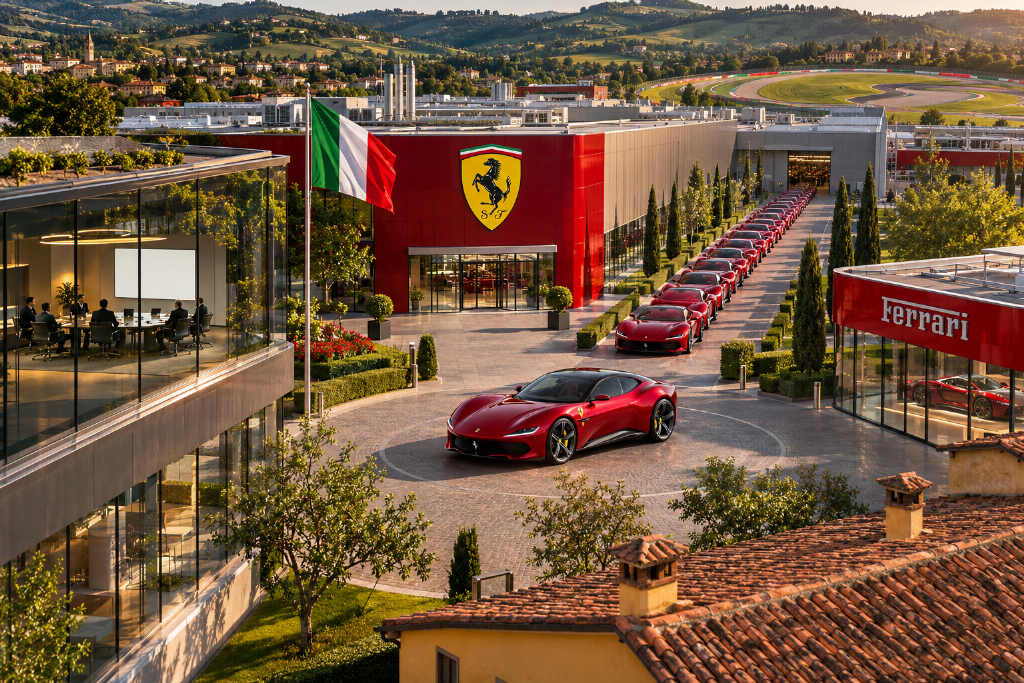
Ferrari CEO Benedetto Vigna said on the company’s third-quarter earnings call that the 2027 production run of Luce, Ferrari’s first electric vehicle, has already sold out. The model starts at about $615,000. Vigna also said that customers placing orders now would need to wait a year before taking delivery, while the first deliveries are expected to begin in the fourth quarter of 2026. Ferrari did not disclose planned production volume for Luce. In the same quarterly update, the company reported third-quarter revenue of 1.9 billion euros, up 7% year over year, and net profit of 431 million euros, up 13%. Ferrari also raised its full-year adjusted profit guidance to at least 3 billion euros. The remarks were cited by TechCrunch.
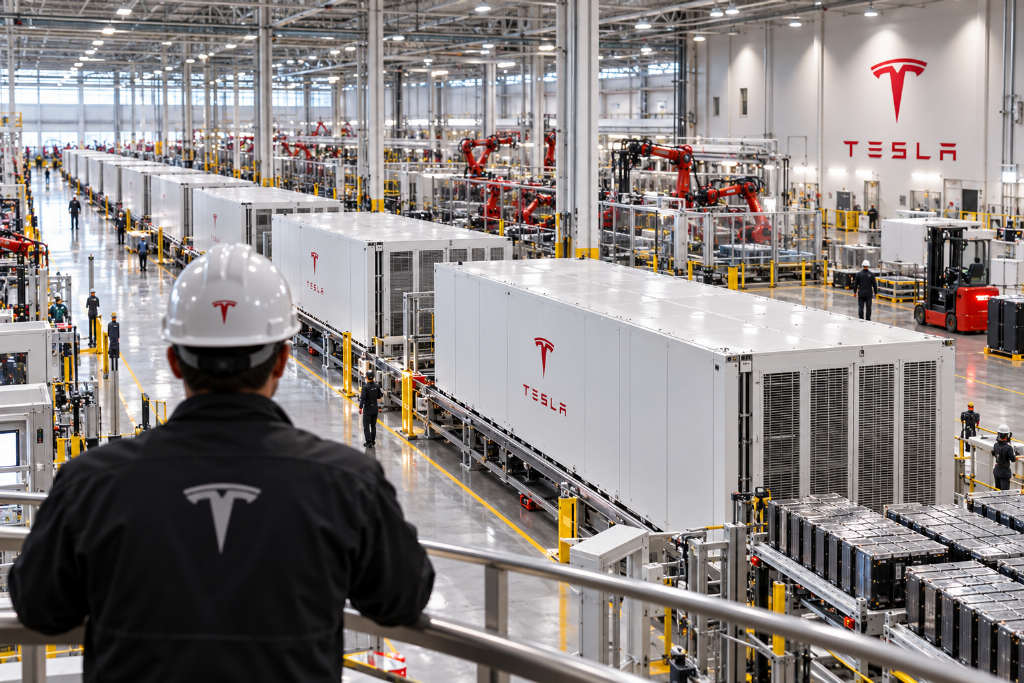
ChainCatcher reported in a brief news update that Elon Musk said his team is increasing production of the integrated battery system Megapacks as much as possible. The short item did not include output figures, a production timeline, or any added operational details. No further comments, company disclosures, or supporting data were provided in the source text. The update was published as a 7x24 newsflash.
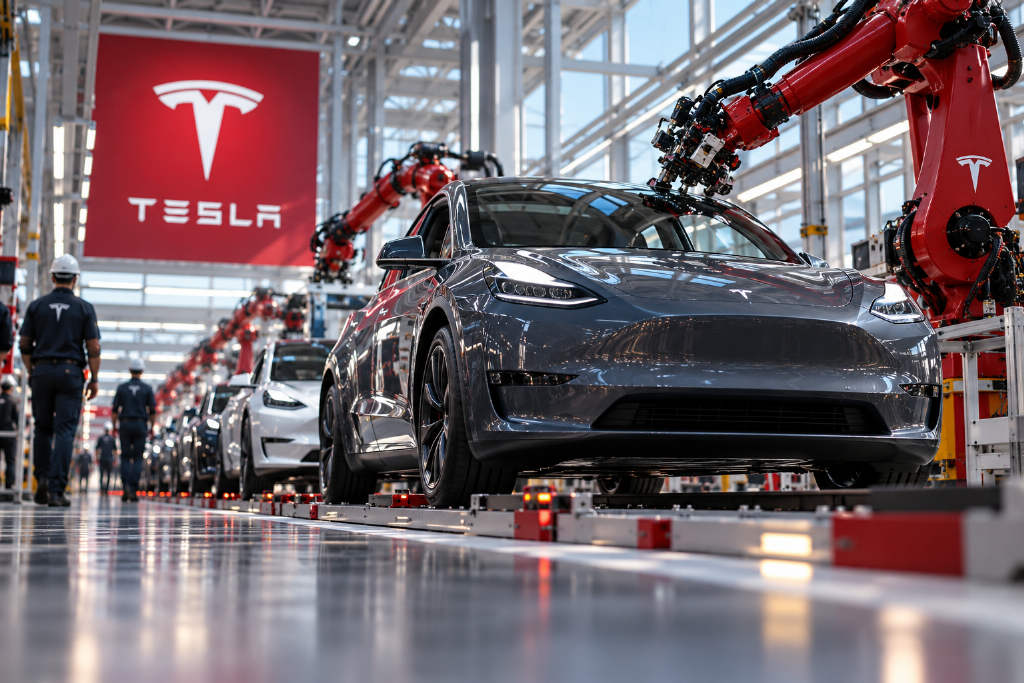
According to ChainCatcher, Tesla (TSLA.O) CEO Elon Musk said the company will increase production to meet market demand. The brief update did not include details on the scale of the planned output increase, the timeline for the move, or which product lines would be affected. The statement was limited to Musk’s comment on production and demand, with no additional figures or operational guidance provided in the source. As presented, the report only indicates Tesla’s intention to raise output in response to market demand.
Techub News reported that Kalshi said in a post on X that Elon Musk expects production on the Moon and Mars to accelerate at a rate of well over 100% per year. The brief item did not include added context, a timeline, or any production metrics. No details were provided on what type of production Musk was referring to, nor did the post name a related project or rollout schedule. The update was presented as a short market-facing news flash, with the statement attributed to Musk through Kalshi’s social media post.
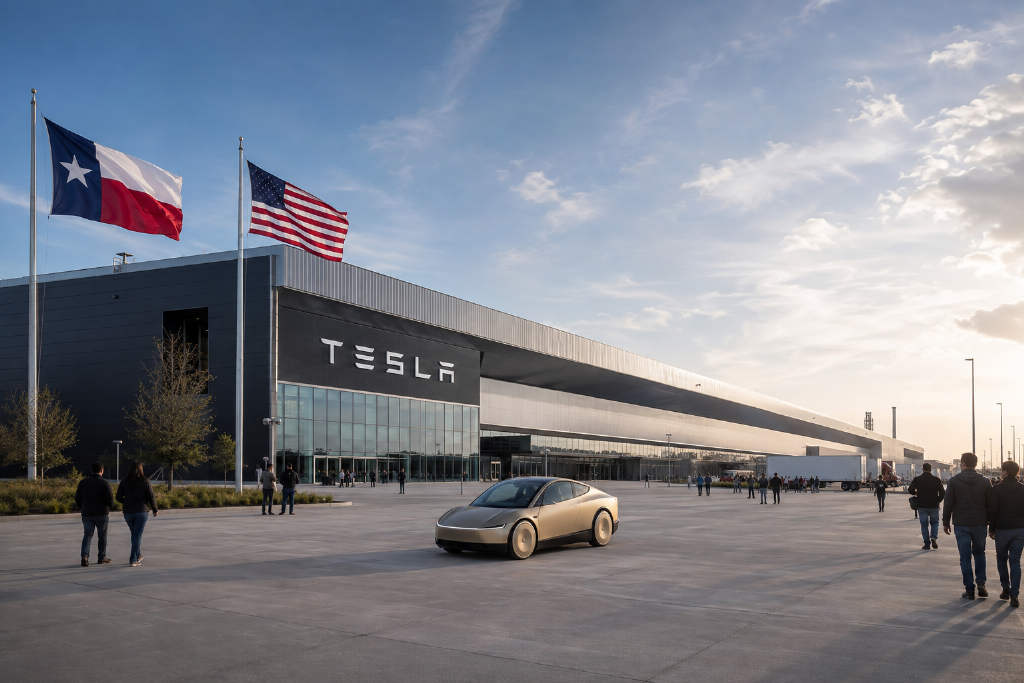
On September 3, Tesla held a Cybercab launch event in Austin, Texas, unveiling the production version of its autonomous vehicle. The Cybercab has no steering wheel, pedals, or traditional rearview mirrors, features a two-seat layout, and is fully controlled by Tesla's self-driving software. First shown as a concept at the "We, Robot" event in October 2024, the first production unit rolled off the line at Tesla's Gigafactory Texas in February 2026, with mass production beginning in April 2026. The vehicle relies on eight high-definition cameras and an end-to-end neural network, without lidar or high-definition maps. Tesla says its global fleet had accumulated over 22.5 billion kilometers of assisted driving as of September 2026. Efficiency: 9.8 km/kWh, 10.2 kWh/100 km, 673 km range, 1,412 kg curb weight, 47.6 kWh battery, 163 kW motor. Robotaxi operating cost is estimated at $0.20 per mile (0.84 yuan/km). The Cybercab will be displayed in Beijing and Shanghai from mid-September, but Tesla says no sales or commercial robotaxi operations in China are planned.
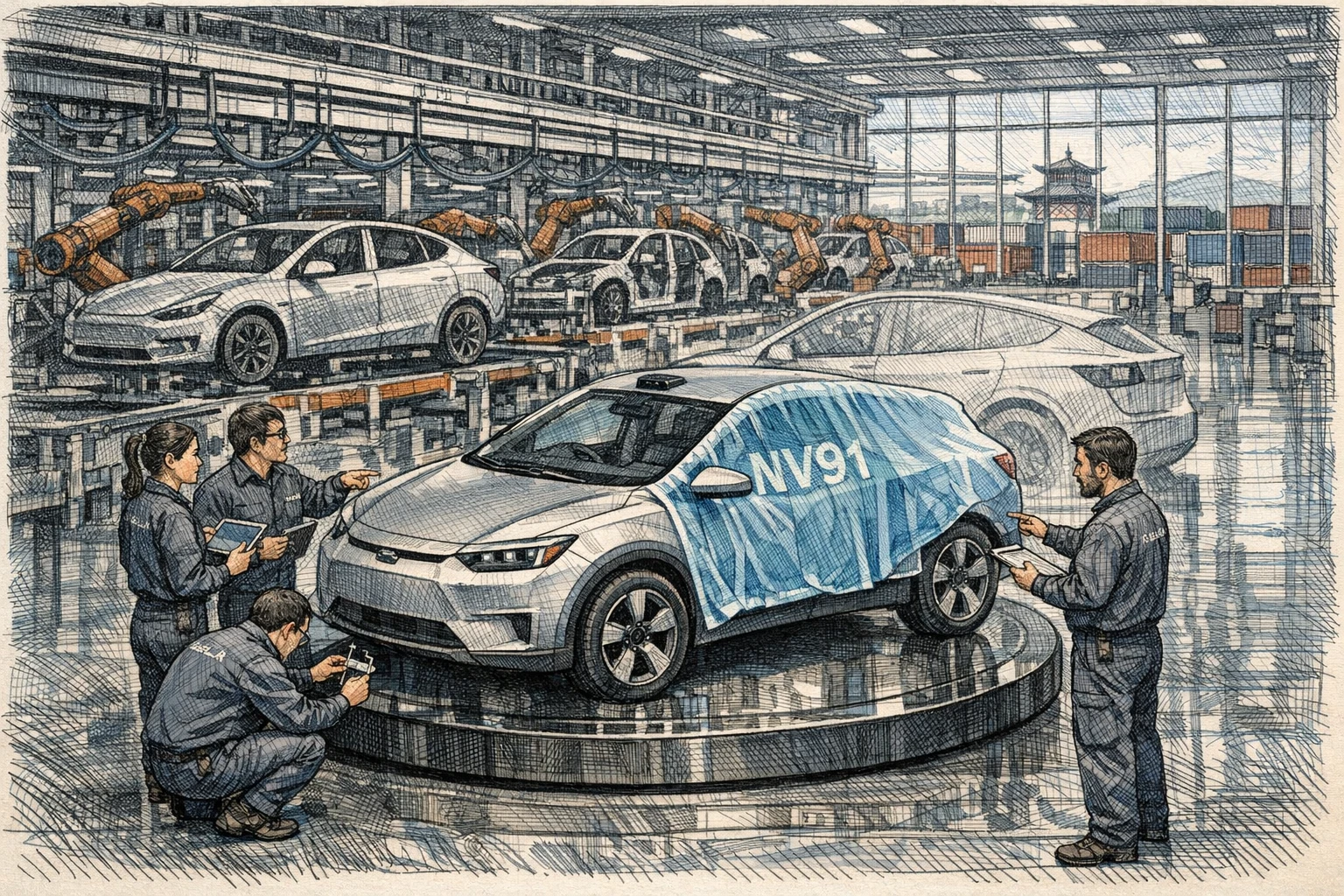
Reuters exclusively reports that Tesla is secretly developing a new compact SUV codenamed NV91/NV93, with a 4.28-meter length and at least 20% lower production cost than the refreshed Model Y. First production is planned in China as early as mid-2026, positioned as 'autonomous-ready with manual driving option.'