South Korea2026-09-19 10:40:49South Korean police identify 26 Polymarket users, send 18 cases to prosecutorsPolice in Gangwon Special Self-Governing Province in South Korea have identified 26 Polymarket users after analyzing public blockchain transaction records and open-source on-chain intelligence, according to ChainCatcher. Authorities opened cases on suspicion of illegal gambling, and 18 of the identified individuals have already been referred to prosecutors. The police said the group placed a combined $12.7 million in bets, with the largest amount wagered by a single user reaching $4.1 million. The investigation began with a preliminary probe in March, and formal cases were opened from May. The report noted that South Korea’s communications review body did not order Polymarket to be blocked until Aug. 18. The transactions under investigation took place while the platform was still accessible in the country. Police are pursuing the matter under Article 246 of South Korea’s Criminal Act.370
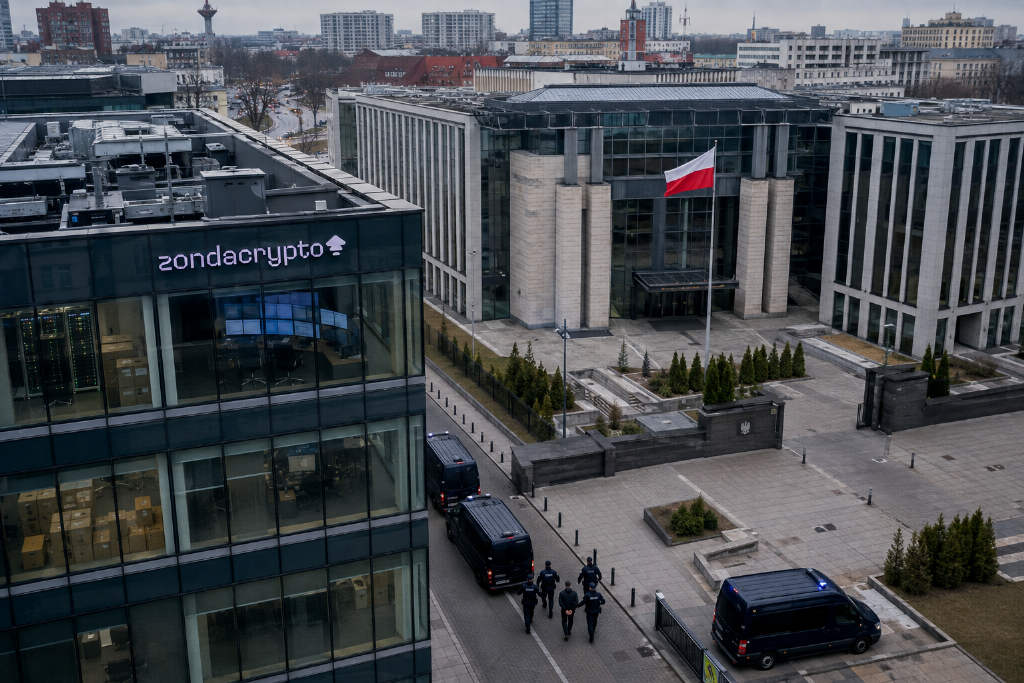
Zondacrypto2026-09-07 17:58:00Polish prosecutors charge suspect in Zondacrypto case and seek pretrial detentionPolish prosecutors have formally charged a suspect identified as Romana Ż. in the Zondacrypto investigation, accusing the individual of participating in an organized criminal group and misappropriating 7.8 million zlotys, or about $2.1 million, in user funds entrusted to the exchange. Prosecutors have also asked the Katowice-Wschód District Court to order pretrial detention, saying there is a risk the suspect could flee or obstruct the investigation. Romana Ż. was detained on Sept. 5, later questioned by prosecutors, and denied the allegations while giving a statement, according to Poland’s National Prosecutor’s Office. The case follows charges brought against three other detainees on Sept. 2 over allegations that include money laundering, misappropriation of company assets, and participation in an organized criminal group. A Polish court previously ordered those three held in pretrial detention for up to three months. Prosecutors have estimated losses tied to Zondacrypto at no less than 350 million zlotys, and the probe was merged in July with an investigation into the 2022 disappearance of BitBay founder Sylwester Suszek. Separately, BB Trade Estonia, the exchange’s Estonian operator, was declared bankrupt in August, with a first creditors’ meeting set for Sept. 17.720
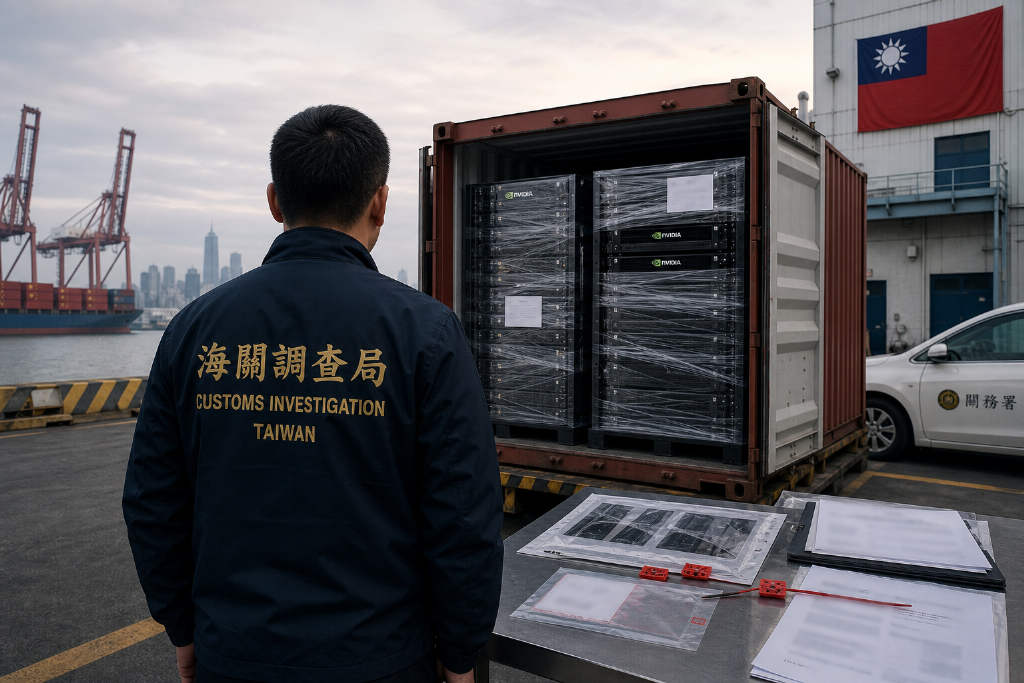
Taiwan2026-08-24 11:32:38Taiwan prosecutors file charges in alleged illegal AI server exports to mainland ChinaProsecutors in Taiwan have filed charges in a case involving alleged illegal exports of AI servers to mainland China, according to a Techub News item citing Crypto Briefing. The case centers on the transfer of high-performance computing equipment that was allegedly shipped to the mainland in violation of applicable rules. The source summary does not provide details on the parties charged, the volume of equipment involved, or the timeline of the shipments. It does state that the matter could affect geopolitical dynamics. Techub published the item as a short news alert, and no additional case documents or prosecutorial statements were included in the input. As provided, the report is limited to the filing of charges, the nature of the equipment, and the cross-border destination involved.730
China2026-07-14 19:47:38Chinese prosecutors propose treating crypto mixer use as evidence of laundering intentA policy paper published in China’s official Procuratorial Daily lays out a tougher framework for handling cryptocurrency-related money laundering cases, including a proposal to treat the use of mixers and privacy coins as evidence of criminal intent. The article was written by two prosecutors from Yuhu District in Hunan Province and an associate law professor at Xiangtan University, and was highlighted by Bitcoin Magazine. The authors argue that virtual currencies’ decentralized, pseudonymous and cross-border features have moved faster than China’s legal framework. They identify three main pressure points: how offenses are defined, how evidence is collected, and how seized assets are recovered. The paper also points to a statutory mismatch, saying China’s Anti-Money Laundering Law no longer limits predicate offenses, while Article 191 of the Criminal Law still restricts money laundering charges to seven categories. In practice, the authors say, many crypto cases are instead handled under Article 312 as concealment of criminal proceeds. The paper recommends broader use of the money laundering statute, a “one case, two checks” principle for major criminal probes, greater weight for blockchain records from public explorers, a burden shift after prosecutors submit transaction-chain analysis reports, and a national platform to store, value and dispose of confiscated crypto. The recommendations are not legally binding, but they point to a possible direction for Chinese courts as crypto-related laundering cases continue to grow.1430