QSB

WuBlockchain
2026-09-02 09:05:48

WuBlockchain August tech report: BIP-110 stalls, Glamsterdam goes public, Solana moves toward 350ms

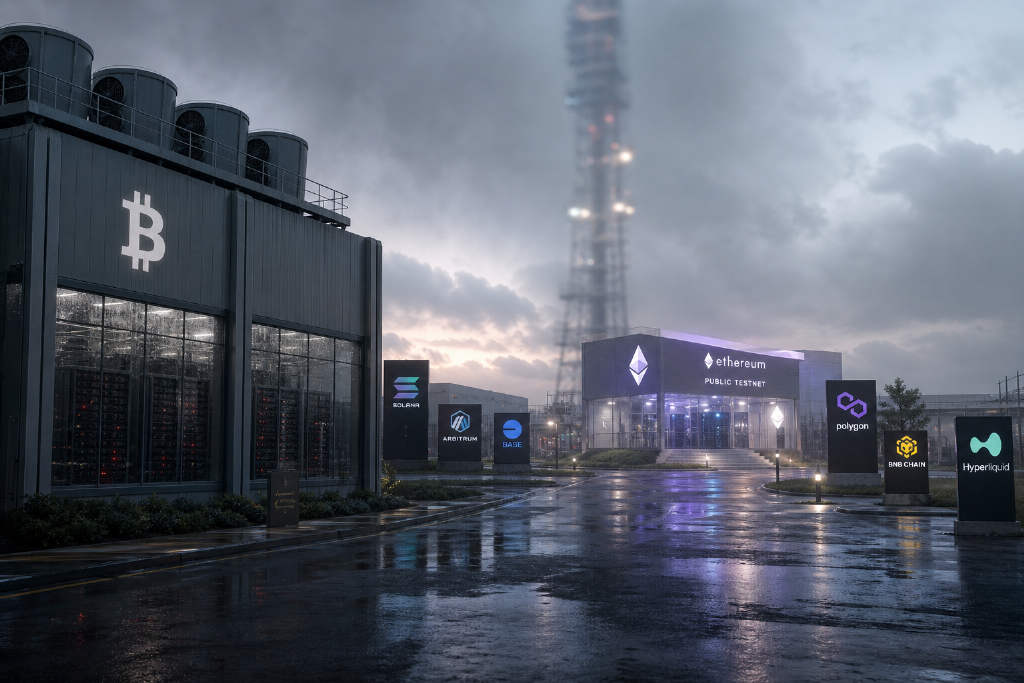
WuBlockchain’s August technology report tracked a broad set of blockchain infrastructure updates across Bitcoin, Ethereum, Solana, major Layer 2 networks, and several other ecosystems. The report said Bitcoin’s long-debated BIP-110 entered real activation in August but failed to gain support, with miner signaling at only about 2.5% during the mandatory signaling phase. Nodes enforcing the rule began rejecting non-signaling blocks from height 961,632, effectively creating a minority chain that produced only around two blocks before largely stalling, while the main Bitcoin network continued as normal. On Ethereum, the Glamsterdam upgrade moved from internal DevNet testing into a public test phase, with DevNet 8/Platåberget launched on Aug. 13 and the Gloas fork activated on Aug. 20. Testing has shifted from basic functionality to edge cases and client compatibility, while tentative testnet activation targets of Sept. 28 for Sepolia and Oct. 26 for Hoodi have been proposed. Hegotá also advanced from open proposal intake into a narrower candidate-selection stage. The report also highlighted rising performance competition across scaling networks. OP Mainnet upgraded from 250ms Flashblocks to 200ms Subblocks, Base outlined a 200ms Native Blocks plan, and Solana is preparing to reduce mainnet slot time to 350ms starting from epoch 1020. In parallel, Arbitrum said real mainnet blocks can now be proven with SP1-generated ZK proofs, extending its path toward a multi-proving architecture.
190
WuBlockchain August tech report: BIP-110 stalls, Glamsterdam goes public, Solana moves toward 350ms
Starkware
2026-08-29 11:32:05

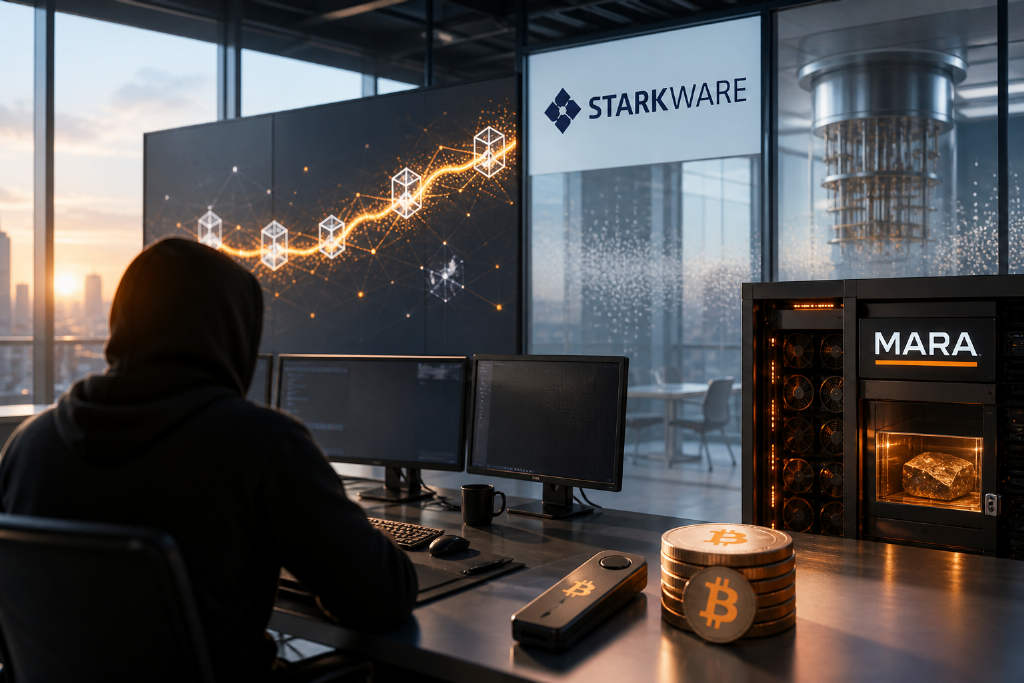
Starkware Completes Quantum-Resistant Bitcoin Transaction on Mainnet Without Soft Fork

Starkware, a blockchain technology company, has reported that a transaction using the quantum-resistant Bitcoin (QSB) scheme proposed by researcher Avihu Levy was mined on the Bitcoin mainnet on August 26. The entire process was conducted without a soft fork, a hard fork, or any change to consensus rules. According to the disclosure, the transaction consumed 10,000 satoshis and was processed through the Slipstream service of MARA Foundation. Because the transaction's format is non-standard, it is normally unable to propagate within Bitcoin's public mempool. The test involved several hours of GPU computation, with costs estimated at around $150 to $200. QSB utilizes hash-based quantum-resistant spending conditions and also applies signature trial mining in order to lower the risk of quantum attacks. Even so, the scheme still requires users to actively migrate their funds, and it cannot provide protection for assets whose public keys have already been exposed. Starkware CEO Eli Ben-Sasson continues to support the introduction of a protocol-level solution through a soft fork. The details were covered by Bitcoin.com News.

110
Starkware Completes Quantum-Resistant Bitcoin Transaction on Mainnet Without Soft Fork
Bitcoin
2026-08-27 18:48:16

Starknet Foundation demonstrates first quantum-safe Bitcoin transaction on mainnet

Bitcoin Magazine reported that the Starknet Foundation has carried out what it described as the first post-quantum-resistant Bitcoin transaction on the Bitcoin mainnet. The transaction was mined this week and, according to the report, did not require a soft fork, a hard fork, or any upgrade to Bitcoin Core. Damian Chen, vice president of growth at the Starknet Foundation, presented the transaction at Bitcoin Asia in Hong Kong on Thursday and said the approach could help secure Bitcoin funds that may be exposed to future quantum attacks. The method was created by StarkWare researcher Avihu Levy and relies on generating millions of signature candidates until one meets a structural condition that avoids exposing vulnerable cryptographic material while the transaction is waiting to be confirmed. Because the format is non-standard, the transaction could not enter the public mempool and had to be sent directly to a miner. It was mined through mining company MARA’s Slipstream service. The report also said debate continues across the Bitcoin sector over when software upgrades will be needed as quantum computing develops.

170
Starknet Foundation demonstrates first quantum-safe Bitcoin transaction on mainnet