RIZE

Policy and Re
2026-08-14 13:12:59

SEC scraps crypto meeting as Binance, MSCI and SpaceX updates hit U.S. premarket

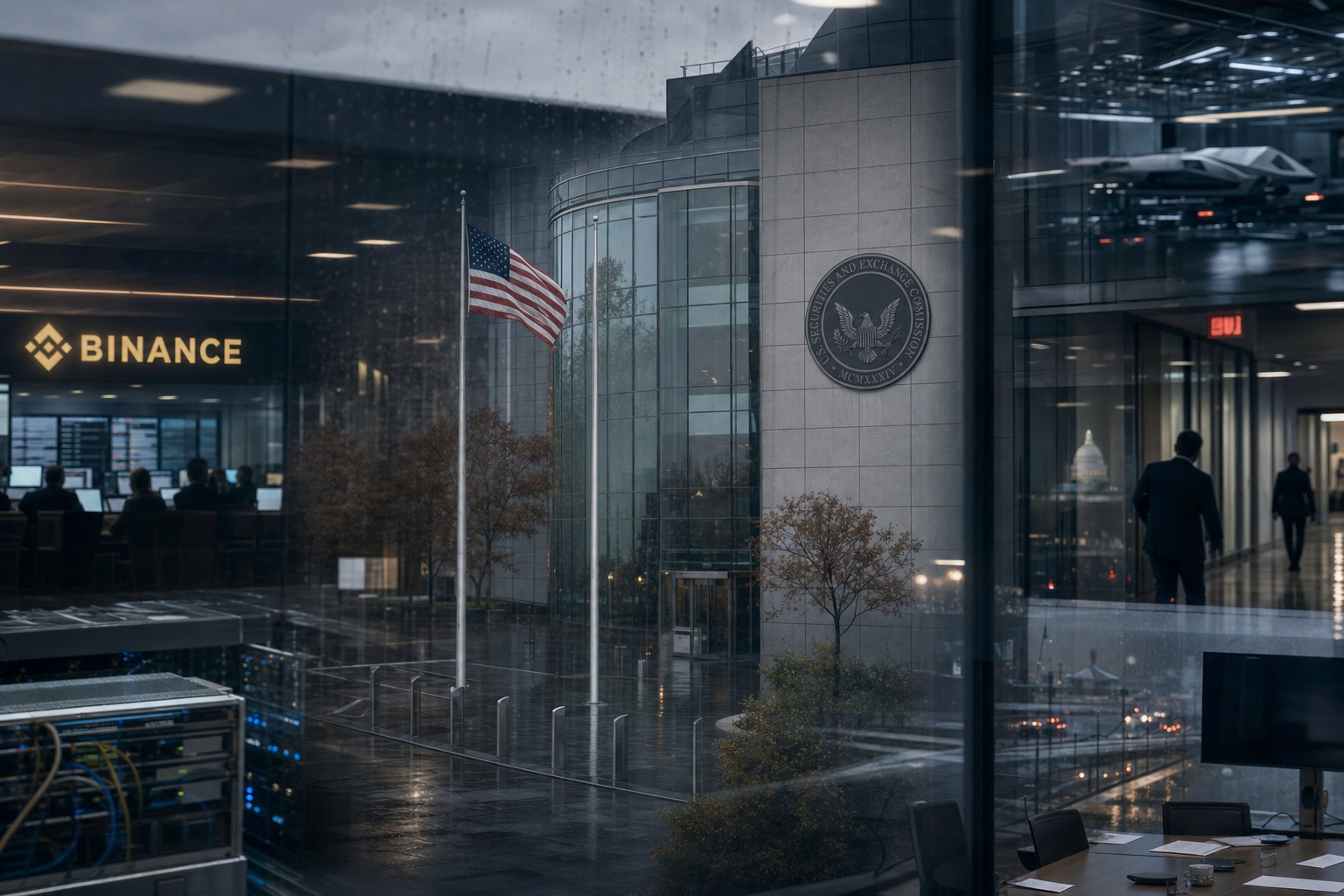
A cluster of U.S. premarket headlines on Aug. 14 put crypto regulation, exchange compliance, AI infrastructure and index policy in the same frame. The U.S. Securities and Exchange Commission canceled a public meeting that had been scheduled to review a tailored issuance framework for crypto asset investment contracts, citing "unforeseen scheduling issues" and giving no further explanation. The move came after the Senate entered its August recess without a full-chamber vote on the CLARITY Act, leaving the outlook for crypto market structure legislation less clear. Binance said it will stop processing transactions involving platforms including HTX and EXMO in response to recent regulatory requirement changes, saying the step is meant to maintain compliance and protect user assets. Elsewhere, MSCI is seeking feedback on a new method for identifying non-operating companies, a proposal that could remove Strategy and Metaplanet from the MSCI Global Investable Market Index and place companies such as SharpLink on a public watch list. Outside crypto, storage names led premarket gains, with Sandisk rising 7.39%. The company said AI data center build-outs are reshaping flash demand and projected the flash market would reach about 1.2ZB in 2026. BlockBeats also reported that SpaceX has completed a $60 billion acquisition of AI coding startup Cursor.
650
SEC scraps crypto meeting as Binance, MSCI and SpaceX updates hit U.S. premarket
Elon Musk
2026-08-14 08:12:12

Musk says memory, not compute, is the real bottleneck for AI agents

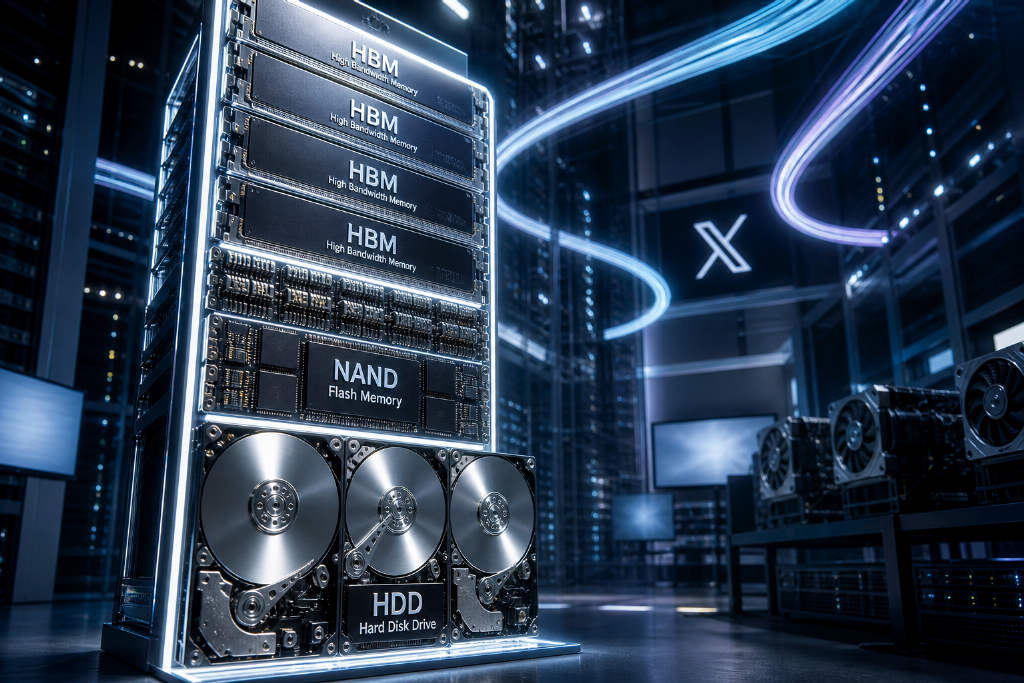
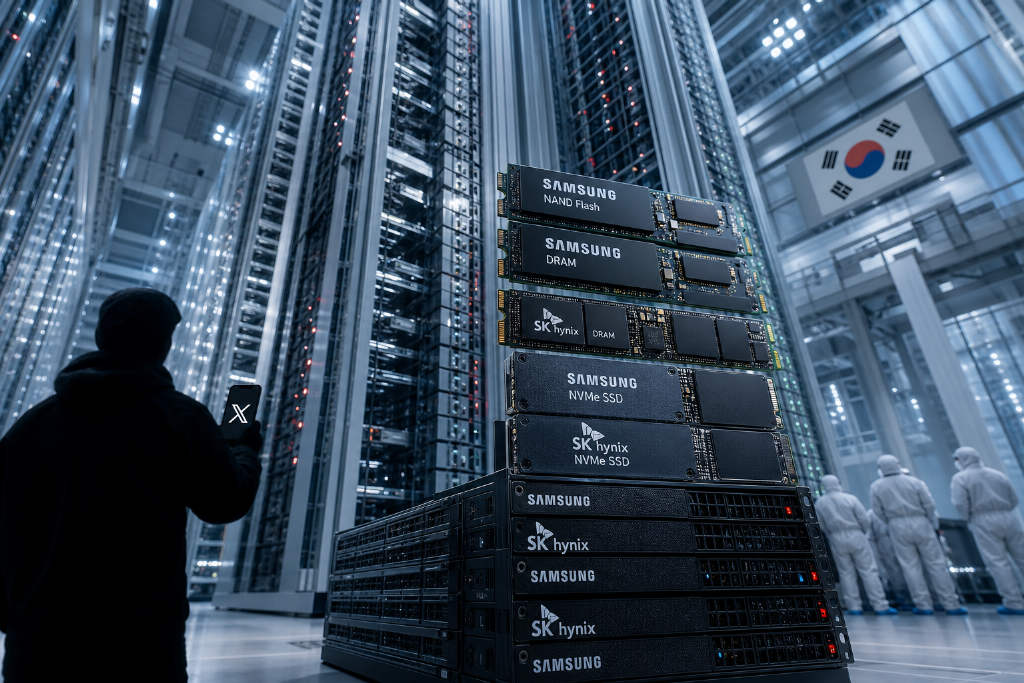
Elon Musk backed a claim on X that memory, rather than raw compute, is the real rate-limiting factor in the age of AI agents, replying that 「Few realize this.」 The point is one he has made repeatedly this year. According to the source material, Musk raised the issue at Tesla’s first-quarter earnings call on April 22, echoed complaints about memory price inflation in late June, and then gave a sharper figure at SpaceX’s Q2 earnings call in early August: memory capacity is growing about 20% a year, while demand is rising 200% or more. The report ties that view to a broader shift in AI infrastructure. As agentic systems hold much larger context windows and persistent task histories, KV cache becomes a bigger memory burden. With HBM still expensive and tight in supply, companies are moving more context data down the memory stack into NAND and storage. NVIDIA’s Inference Context Memory Storage Platform, introduced at CES, is cited as one example, using Dynamo and NIXL to place KV cache on NVMe SSDs. The same report also tracks how markets are reading the memory cycle. Korean brokerages cut target prices for Samsung Electronics and SK hynix on concerns that the conventional memory upcycle may have peaked, while Sandisk later issued long-term revenue growth guidance that helped memory shares rebound across Asia.

640
Musk says memory, not compute, is the real bottleneck for AI agents
Elon Musk
2026-08-14 07:23:01

Musk Agrees AI Agent Era's Real Bottleneck Is Memory, Not Compute

Elon Musk has publicly endorsed a statement by Peter H. Diamandis, the futurist and XPRIZE founder, that memory rather than compute is the rate-limiting factor of the agent era. Musk replied that few people realize this. Diamandis's view holds that after large-scale deployment of AI agents, long-term memory, context memory and persistent memory will replace compute as the true bottleneck. Even with sufficient computing power, an agent that cannot effectively remember and call up information will have limited utility. The interaction was tracked by 动察 Beating and shared through its 24/7 AI news channel. The thesis connects to current memory and storage conditions: HBM demand remains in short supply, while rapid growth in KV cache and context storage is driving structural increases in NAND and hard drive demand, and memory is listed among the most critical, tightest links in the AI supply chain.

1620
Musk Agrees AI Agent Era's Real Bottleneck Is Memory, Not Compute
SpaceX
2026-08-05 15:05:47

Peter Diamandis: SpaceX Could Become First $10 Trillion Company

Citing CNBC, Peter Diamandis, an early SpaceX investor and founder of the XPRIZE Foundation, said SpaceX has the potential to become the world's first company with a $10 trillion market capitalization. He argued that the market has yet to properly value SpaceX, given its space transportation, satellite internet, and future space economy initiatives. The company's core value stems not only from reusable rockets but also from Starlink, lunar and Mars exploration plans, and a new economic system built around space infrastructure. Traditional valuation models may underestimate such a platform company, and investors are now re-evaluating its long-term commercial potential.

1110
Peter Diamandis: SpaceX Could Become First $10 Trillion Company
RIZE
2026-07-31 08:53:12

RIZE files B2 disclosure, sets 5 billion token supply and governance terms

RIZE has filed a B2 token transparency document, laying out a total supply of 5 billion tokens and key governance terms tied to its native asset on the Rizenet platform. The filing says 30% of supply is allocated to the governance treasury, subject to a 12-month lockup followed by linear vesting over 36 months. Voting will use a lock-duration-weighted model, giving more weight to tokens committed for longer periods. The document also states that RIZE currently has no holder value accrual mechanism, a point that has drawn attention alongside the broader disclosure. RIZE is the native token of Rizenet, while developer T-RIZE Group has obtained European Union MiCA registration. The platform has tokenized more than $2 billion in assets to date. According to CryptoBriefing, the voluntary filing was intended to improve transparency for institutions, though the lack of a value accrual mechanism has also prompted discussion around token holding incentives.

560
RIZE files B2 disclosure, sets 5 billion token supply and governance terms