SAEP

Doubao
2026-09-14 03:49:11

Doubao launches consumer phone assistant, keeps GUI app control in beta while letting apps opt out

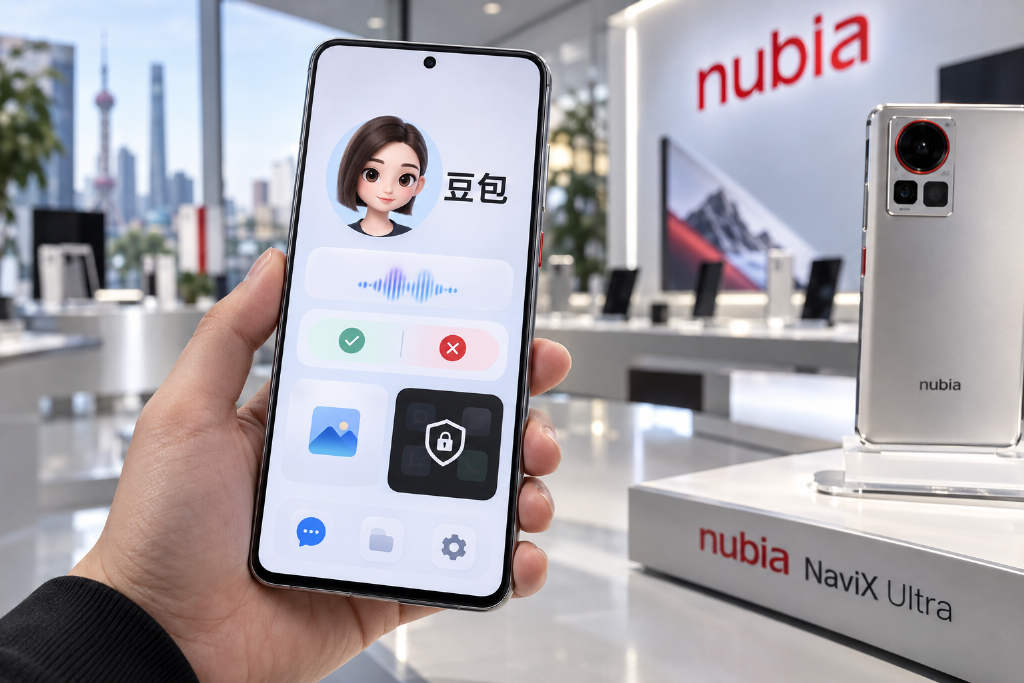
Doubao has officially released the consumer version of its mobile assistant, keeping its system-level partnership model with handset makers intact. The first mass-produced device tied to the assistant, Nubia NaviX Ultra, had already been announced and is scheduled for release and sale on Sept. 16. One of the most disputed features, the assistant’s ability to operate a phone on a user’s behalf, has not been removed and remains available in beta. At the same time, Doubao introduced the SAEP screen automation operation declaration protocol, which allows third-party apps to decide whether AI can read the screen, tap controls, and carry out actions inside their apps. If an app explicitly refuses, Doubao will stop automated operations there. BlockBeats also cited a July report by LatePost saying the new generation of Doubao phones will no longer rely on direct GUI-based operation of super apps from Alibaba and Tencent. Instead, Doubao will only be able to access related data and functions if those apps voluntarily open MCP services. In this setup, MCP governs API-style access offered by apps, while SAEP defines the limits for screen reading and simulated taps. Both mechanisms now coexist.
720
Doubao launches consumer phone assistant, keeps GUI app control in beta while letting apps opt out
Robinhood Cha
2026-09-01 12:48:07

Robinhood Chain trading surge feeds Uniswap revenue as UNI burn pace climbs

Robinhood Chain’s trading boom has started to show up directly in Uniswap’s numbers and, by extension, in UNI’s buyback-and-burn mechanics. On Sept. 1, the chain launched by Robinhood in July posted a record $1.43 billion in daily trading volume. As activity on the chain rose, Uniswap collected more protocol fees, and those fees flowed into a mechanism that ties protocol revenue to UNI demand through buybacks and token burns. From July 27 to Aug. 12, Uniswap’s average daily protocol revenue rose to $244,000 from $99,800 over the prior 17 days. In the seven days through Aug. 12, total protocol revenue was about $1.55 million, with roughly $925,000, or about 60%, coming from Robinhood Chain. On Aug. 21, Uniswap burned about 150,000 UNI in a single day, a record at the time, while cumulative burns since the launch of UNIfication have surpassed 100 million UNI, according to multiple trackers. The article also compares buyback models across DeFi. Data cited from DefiLlama and Allium Labs shows that while dozens of protocols now run buybacks, spending remains highly concentrated. Hyperliquid, Sky, Spark, and Aave all route economic value to tokenholders in different ways, but the central question is the same: whether the cash flow behind a buyback can hold up once trading activity cools.

720
Robinhood Chain trading surge feeds Uniswap revenue as UNI burn pace climbs