Ethereum
Jul 21, 2026

Ethereum’s L1-L2 Recalibration Points to a Shared-Security, Multi-Execution Endgame

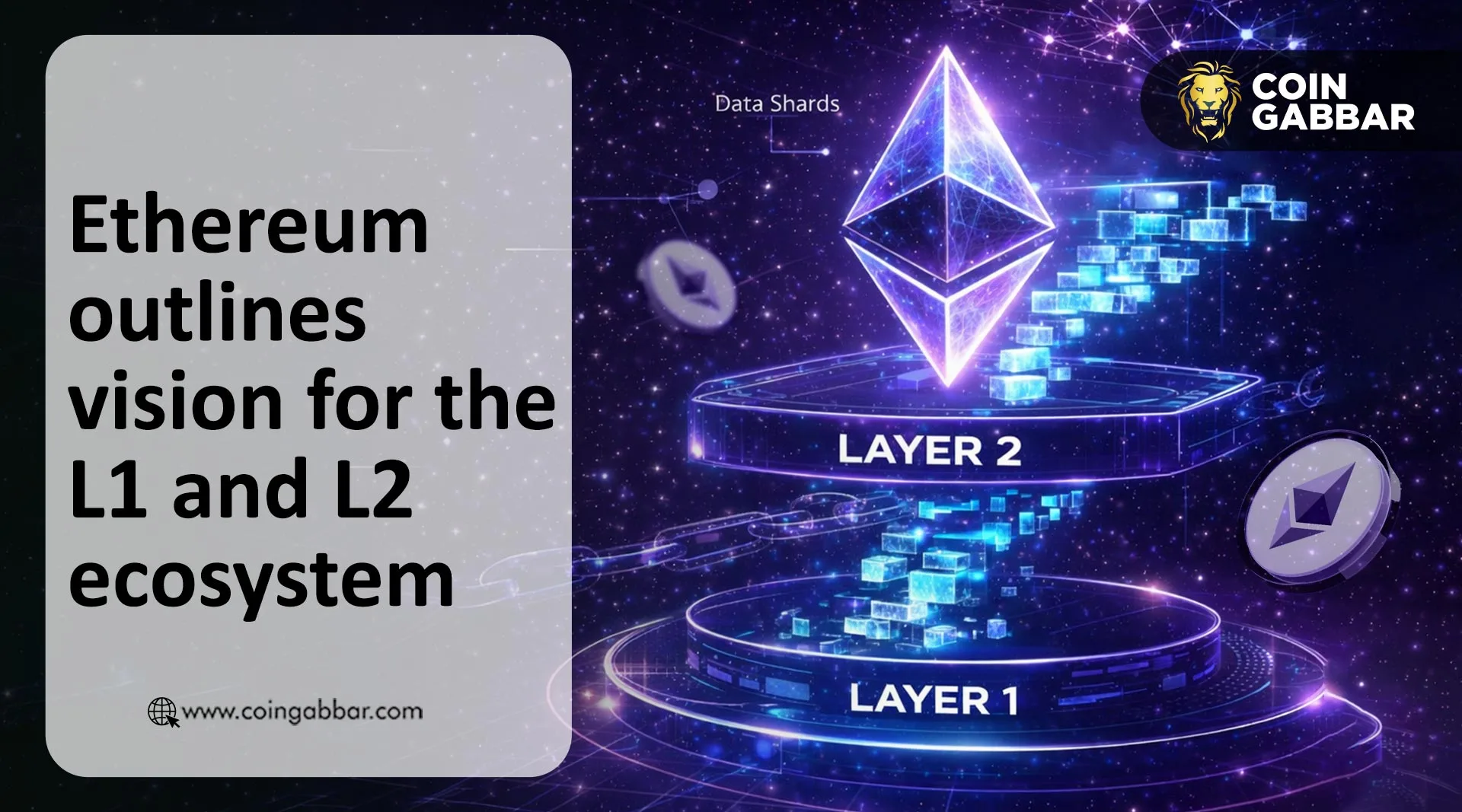
Ethereum’s scaling debate is moving past the old split between a secure-but-expensive Layer 1 and cheap execution on Layer 2. In an analysis published by imToken and carried by Foresight, the argument is that Ethereum is not abandoning L2s, but redefining what they are for as the main chain expands its own capacity through higher gas limits, statelessness work, wider data availability and zkEVM-related verification. In that setting, lower fees alone may no longer be enough to justify an L2 over the long run. The piece says value creation on L2 is likely to shift toward differentiated execution environments, including application-specific optimization, privacy features, and more flexible governance or economic designs. It also puts interoperability, native account abstraction and shorter finality at the center of Ethereum’s next phase, framing the goal as making the network “feel like one chain” again even as activity remains spread across many execution domains. It also highlights Ethereum researcher Barnabé Monnot’s view that, once proof systems become part of mainnet verification, Ethereum L1 could in some sense resemble its own rollup. The point is not that mainnet becomes an L2, but that execution and verification may separate in a way that blurs the old line between base layer and rollup.

2420
Ethereum’s L1-L2 Recalibration Points to a Shared-Security, Multi-Execution Endgame
Zcash
Jul 19, 2026

Zcash launches Zakura full node with a stated goal of 50,000 transactions per second

Zcash has introduced Zakura, a new full node maintained by a team separate from the Zcash Foundation. The release is described as a trimmed, fast-sync branch of Zebra and is compatible with the legacy zcashd client, which is set to reach end of life on July 18. According to the announcement carried by Odaily, Zakura is one part of Zcash’s broader scaling effort alongside Project Tachyon and research into private information retrieval. The stated objective is to reduce validation data and remove wallet performance bottlenecks so the network can scale toward Visa- and Mastercard-level throughput, or 50,000 transactions per second. Zakura also supports the Ironwood, or NU6.3, upgrade scheduled to activate on July 28. That upgrade adds a turnstile mechanism designed to limit withdrawals from the Orchard shielded pool and control counterfeit ZEC that could be produced by a long-standing soundness bug.

3110
Zcash launches Zakura full node with a stated goal of 50,000 transactions per second
Total 83 items
Go topage