Shopify2026-11-03 13:06:28Shopify shares fall after quarterly revenue misses estimates for the first time in four yearsShopify posted quarterly revenue that fell short of analyst expectations for the first time in four years, according to a Techub News brief citing Bloomberg. The report said the company’s shares declined after the earnings miss. No additional details were provided in the source input, including the revenue figure, the specific quarter involved, or the size of the stock move. The item was published by Techub News under the hot articles category. Bloomberg was the only named source in the input.810
Shopify2026-11-03 12:02:45Shopify shares fall 17% after third-quarter earnings releaseChainCatcher reported that Shopify (SHOP.N) shares fell 17% after the company released its third-quarter results. The brief did not include additional financial figures, management commentary, or details on trading conditions. The disclosed information was limited to the earnings release and the stock move that followed. As provided in the source, no further context on revenue, profit, guidance, or market reaction was included.630
Shopify2026-10-29 06:04:48Shopify extends Shop Pay to AI agents and off-platform checkoutsShopify is taking Shop Pay beyond its own merchant ecosystem and into AI-agent payments and off-platform checkout flows, according to The Defiant. The key detail in the report is that agents can pay at stores outside Shopify by using single-use card credentials. Those retailers do not need to add a new integration to accept the payment flow. The report frames the move around AI agents and the broader "Agentic Economy" theme. Based on the information provided, Shop Pay’s reach is being extended from Shopify-native environments to external retail settings, allowing agent-driven transactions to happen outside the company’s direct platform footprint. The available source text does not include additional technical specifications, launch timing beyond the publication timestamp, named partners, or transaction metrics. It does, however, make one point clear: Shopify is positioning Shop Pay for use cases where AI agents act on behalf of users and complete purchases across merchants that are not operating inside Shopify’s own platform stack.690
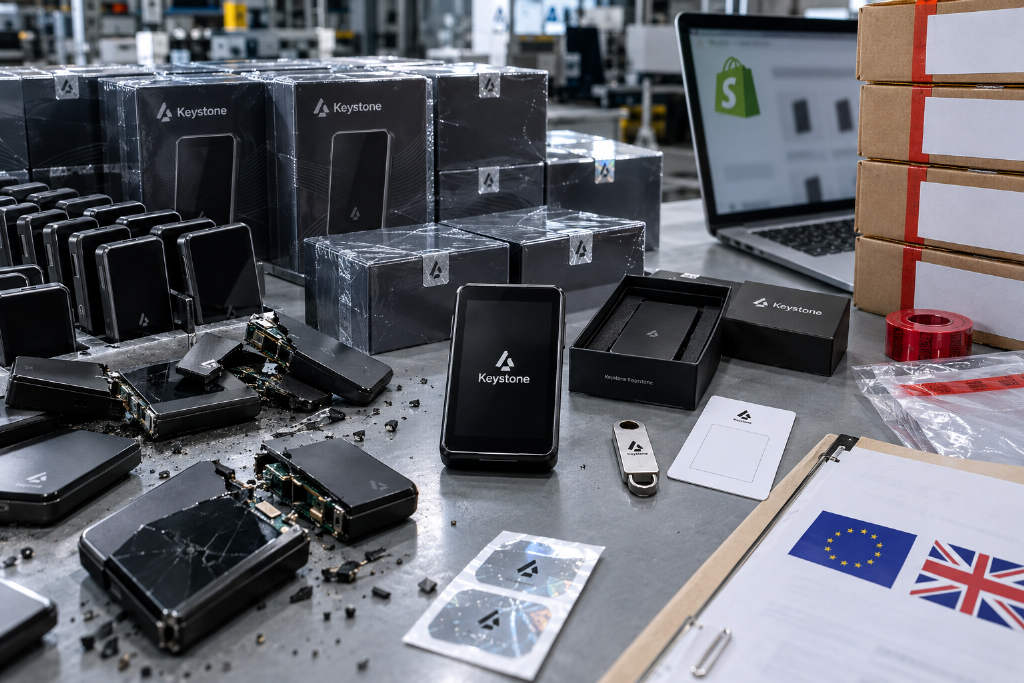
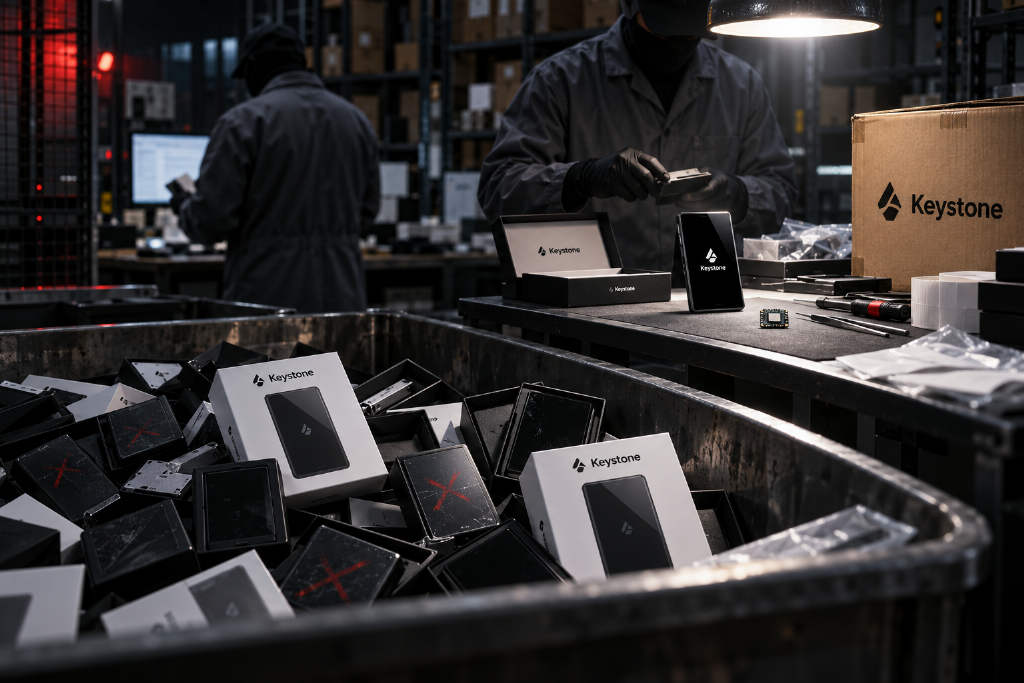
Keystone2026-10-27 09:30:45Keystone halts web orders and will destroy 18,835 wallets after authenticity key theftHardware wallet maker Keystone said it will destroy 18,835 devices in inventory and halt shipments for unsent website orders after a website breach exposed the WebAuth key used in its device-authenticity checks. The company said the key is burned into devices during manufacturing and cannot be erased or rewritten later, meaning anyone with a copy could potentially create counterfeit devices that would still pass Keystone’s own verification page. Keystone is now shifting factory production to a new key and will sell new units only through preorders until devices with the replacement key are built. The company said devices delivered before Oct. 20 can be trusted if they pass authentication, while devices received after that date that still use the old key cannot be fully cleared as genuine even if they pass the check. Keystone also expanded on the customer-data exposure tied to the incident, saying 51,083 buyer records in its Shopify store were affected. It said some records from 2024 to 2026 still contained names, contact details, shipping addresses and order information, and that it has filed reports in the EU, the UK and other jurisdictions.990
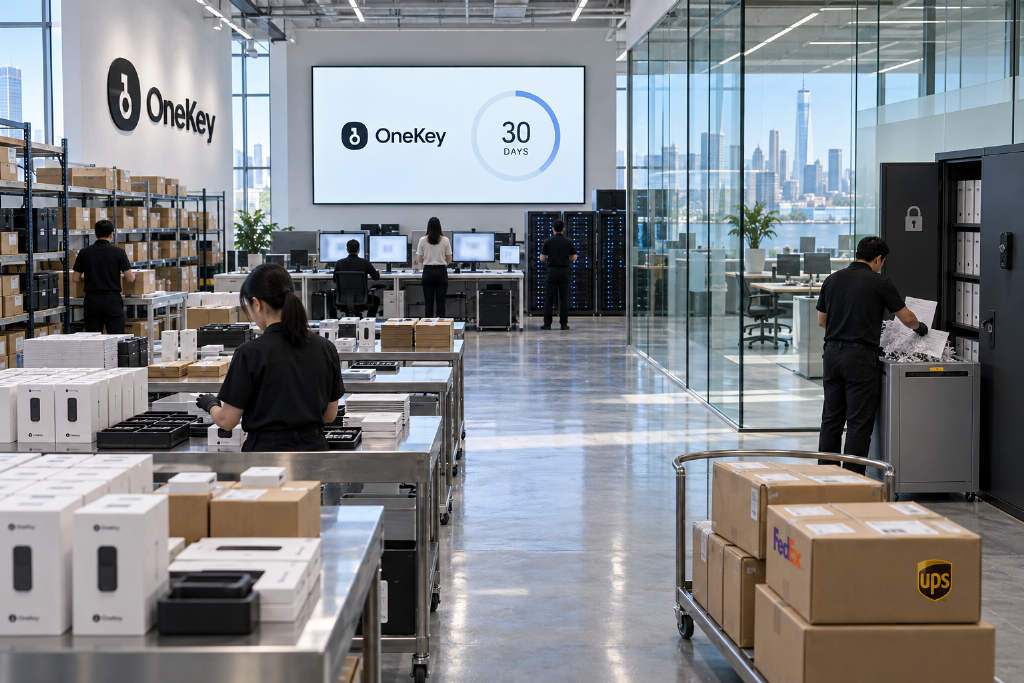
OneKey2026-10-27 09:25:20OneKey says it will tighten privacy protections and reduce reliance on third-party e-commerce platformsHardware wallet maker OneKey said it will step up user privacy protections after recent data leak and supply-chain attack incidents in the hardware wallet sector. Co-founder Yishi said the company has confirmed through the Shopify API that historical order records and personal details tied to those orders, including names, email addresses, and shipping addresses, have been deleted. OneKey is also reviewing other internal systems and third-party integrated services as part of the process. Looking ahead, the company said it will try to ensure that personal information in order data under its control is permanently deleted within 30 days. It also plans to gradually move its e-commerce operations onto infrastructure it controls directly, with the stated goal of cutting dependence on third-party platforms such as Shopify. Yishi added that data retention policies at logistics providers including FedEx and UPS are outside OneKey’s control, meaning the company cannot guarantee that all third parties will follow the same 30-day timeline.870
OneKey2026-10-27 08:18:57OneKey says it will cut customer data retention to 30 days and tighten existing security measuresOneKey founder Yishi said the hardware wallet maker is strengthening its existing security measures after a recent string of data leaks and supply-chain attacks across the hardware wallet sector. He said OneKey itself has not experienced a security incident and described the move as a proactive step taken before any breach occurred. According to Yishi, OneKey has confirmed through the Shopify API that personal information in historical order records, including customer names, email addresses and shipping addresses, has been deleted. The company is also reducing its maximum customer data retention period to 30 days. He added that returns, warranty service and device verification will shift to methods that do not rely on long-term data retention. Retention policies at carriers such as FedEx and UPS are outside OneKey’s control. With explicit customer consent, OneKey may separately keep privacy-processed email addresses only for product updates and security patch notifications. The company’s longer-term goal is to move its e-commerce business onto its own infrastructure and reduce reliance on third-party platforms such as Shopify.910
Keystone2026-10-27 01:55:03Keystone says stolen authentication key could let counterfeit wallets pass genuine-device checksHardware wallet maker Keystone has expanded its disclosure of last week’s website breach, saying the attacker stole not only customer information but also an authentication key used to verify whether its devices are genuine. The company warned that the compromised key could be used to create counterfeit wallets capable of passing Keystone’s authenticity checks, raising the risk that customers could receive fake devices and unknowingly use them as legitimate products. Keystone said it will destroy 18,835 devices in inventory that contain the compromised key and has halted shipments of all products using it. Shipments will restart after production moves to devices with a new authentication key. The firm added that devices manufactured and delivered before the Oct. 20 incident should still be considered safe, while devices delivered after that date may require additional verification through customer support. The company also detailed the scale of the data breach. Keystone said 25,964 buyer records dating from 2024 to 2026 were stolen, along with 12,873 Shopify checkout records tied to incomplete purchases. It attributed the retention of older records to failures in an automated bulk-erasure tool. The incident comes as hardware wallet makers including Ledger, Coinkite, Trezor, SafePal and BitBox have all faced security-related incidents this year.860
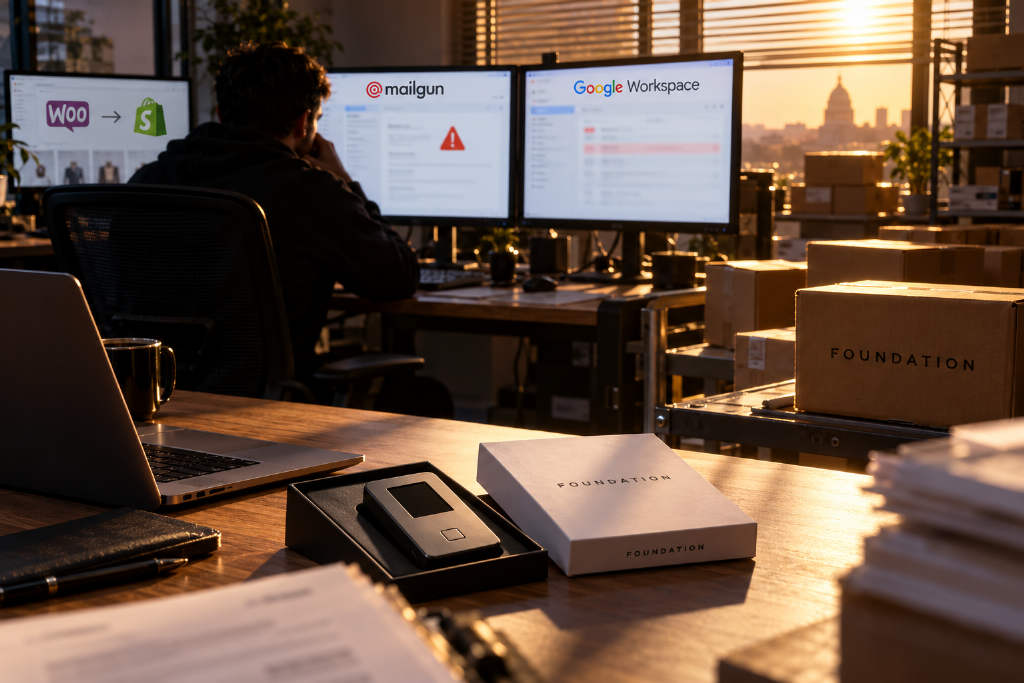
FOUNDATION2026-10-27 00:32:30FOUNDATION says over 23,000 phishing email attempts were recorded, with some order data possibly exposedFOUNDATION, the developer of the Passport Bitcoin hardware wallet, said its investigation found more than 23,000 phishing email sending attempts recorded in its mail systems. Of those, 19,057 were sent through Mailgun and another 1,503 through Google Workspace. The company said it still cannot determine how many people were actually affected because some inboxes received multiple messages, while some sending attempts failed or were blocked. FOUNDATION also said that during a database migration involving its former WooCommerce store, old data tables still retained some customer personal information even though the backend showed that related orders had been redacted. In addition, some refund records, abandoned carts, and order information created after the company migrated to Shopify in May this year may also have been affected. The exact scope of the exposure remains under investigation. FOUNDATION added that it has found no evidence that the incident affected Passport hardware devices or the private keys stored on them.1310