Goldman Sachs
Jul 6, 2026

Goldman Sachs Says Semiconductor Earnings May Beat in Q2, but Much of the Upside Is Already Priced In

Goldman Sachs said in its latest U.S. semiconductor earnings preview that most industry sub-segments are likely to deliver second-quarter results above expectations, but that may not translate into fresh upside for share prices. The key reason is valuation: the Philadelphia Semiconductor Index has already surged 88% in the second quarter, far outpacing the S&P 500’s 14% gain, suggesting that much of the good news has already been priced in. The report highlights a growing disconnect between earnings expectations and tactical stock ratings. Goldman remains constructive on Applied Materials, AMD and Onsemi, while viewing the risk-reward as less attractive for KLAC, ARM and Qnity despite acknowledging that several of those companies could still post solid results. In Goldman’s framework, the dividing line is no longer whether a company can beat estimates, but whether its stock has already moved too far ahead of those expectations. The bank’s preferred themes include semiconductor equipment, compute and storage, with improved sentiment also extending to parts of the analog chip space. Across the report, the central message is that in this earnings season, beating quarterly numbers alone may not be enough if valuations have already exhausted the room for further rerating.


1270
Goldman Sachs Says Semiconductor Earnings May Beat in Q2, but Much of the Upside Is Already Priced In
Morgan Stanley
Jul 4, 2026

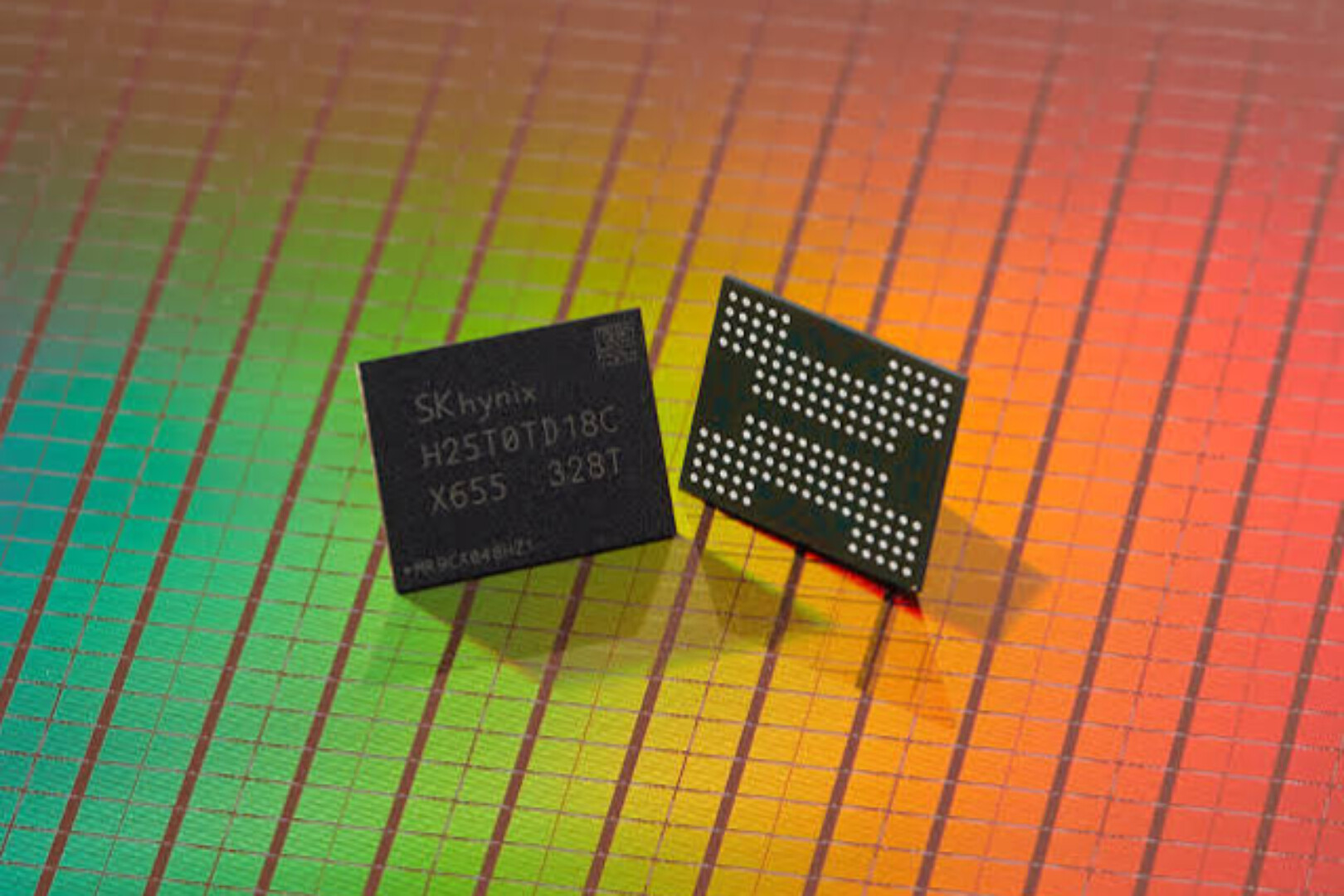
Morgan Stanley Says NAND Shortage May Last Through 2027 as AI Servers Reshape the Cycle

Morgan Stanley’s latest take points to a tighter-than-expected NAND market over the next several years. The key message is straightforward: the NAND shortage could extend through 2027, and supply-side risks may still remain in 2028. At the same time, the bank reportedly raised its target price for SIMO to $400, signaling a more constructive view on the memory-related supply chain and the earnings outlook tied to structural demand shifts. The central driver behind this reassessment is AI server demand. Rather than being shaped mainly by traditional consumer electronics cycles, the NAND market is increasingly influenced by data center expansion and AI infrastructure spending. For the market, that changes how investors think about pricing power, supply discipline, and valuation across storage and controller names.

990
Morgan Stanley Says NAND Shortage May Last Through 2027 as AI Servers Reshape the Cycle
Seagate
Jul 1, 2026

From Two Hard Drives to 6x Gains: A Former ByteDance Employee's Investment Method Using 13F Data to Capture AI Storage Demand

A former ByteDance employee noticed Seagate hard drive prices consistently rising on Pinduoduo. Investigating the anomaly, he traced it to AI data centers' massive demand for nearline HDDs. After analyzing Seagate's financials and multiple quarters of 13F institutional filings, he confirmed sustained institutional buying. He bought Seagate stock at ~$150 and achieved a 6x return. He summarizes a replicable method: spot everyday price anomalies, trace them to structural demand, identify the listed beneficiary, and verify with consecutive 13F data. This is a personal case study, not investment advice.

1160
From Two Hard Drives to 6x Gains: A Former ByteDance Employee's Investment Method Using 13F Data to Capture AI Storage Demand
Total 61 items
Go topage