TCG
Oct 21, 2026

On-chain TCG trading turns cards into high-frequency inventory as Courtyard averages eight sales a month per card

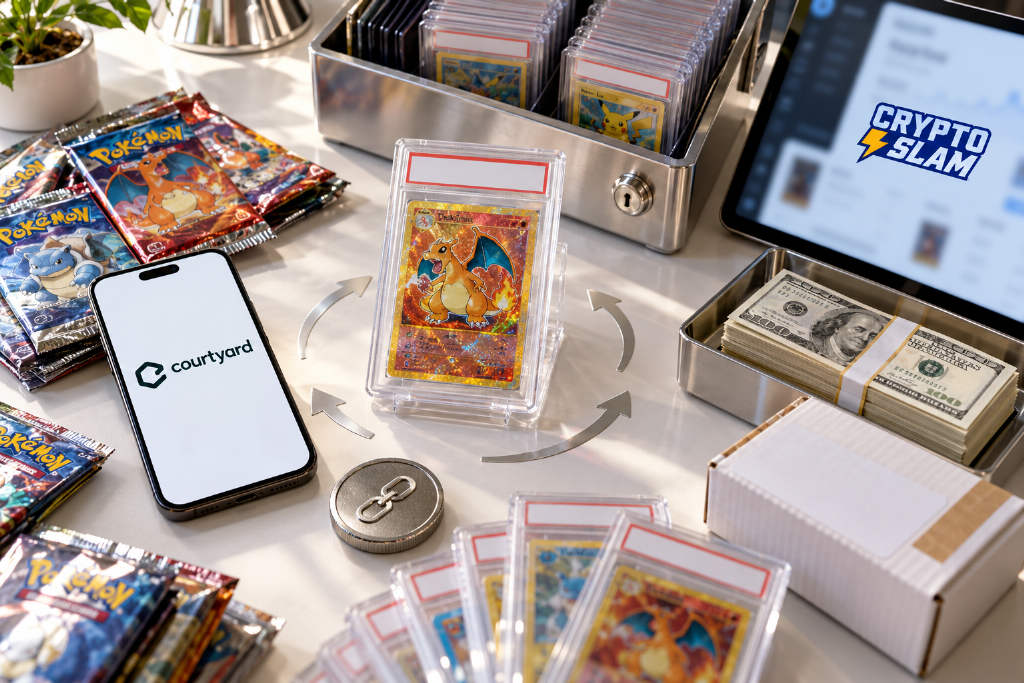
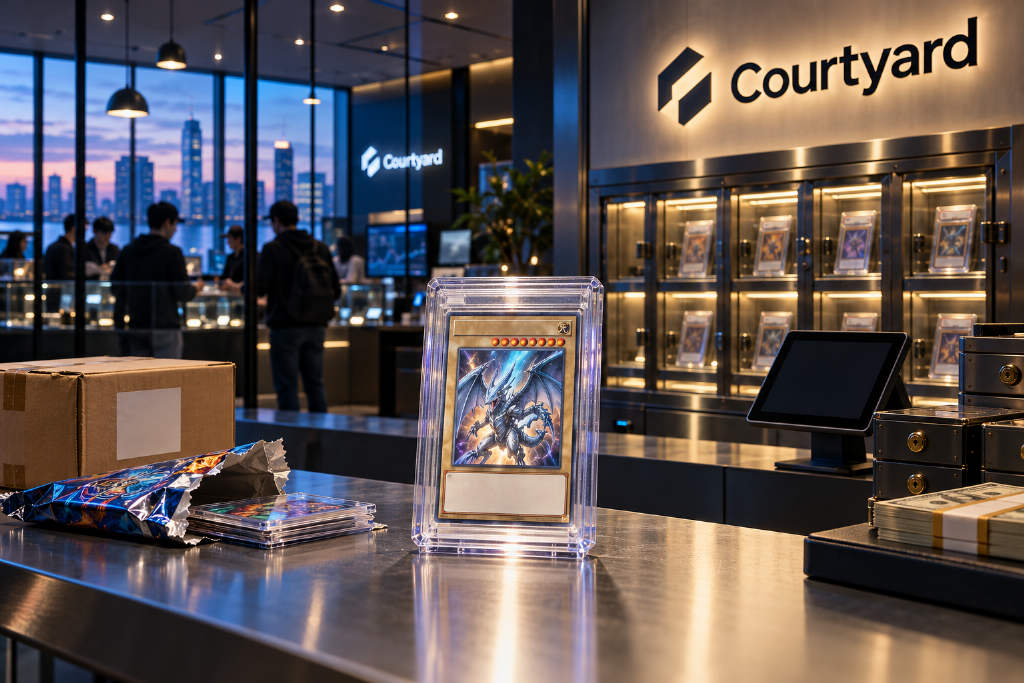
A BlockTempo analysis argues that putting trading card games, or TCGs, on-chain is not just about tokenizing collectibles. The bigger shift is operational: opening packs, quoting buybacks and reselling the same card can now happen inside one tightly linked system. The report cites commentary from X user danny and says Courtyard founder Nico Le Jeune has stated that a single card on the platform is sold an average of eight times a month. It also points to data compiled by Sporting Crypto from CryptoSlam showing Courtyard’s monthly sales rising from about $449,000 in April 2024 to roughly $66 million in April 2025. The article places that growth in a broader market context, noting Pokemon cards have surpassed 85 billion in cumulative production as of late March 2026, while Straits Research projected the global TCG market at about $16.3 billion in 2026. At the same time, the piece says faster turnover does not remove risk. Platforms that offer instant buybacks still need inventory, cash reserves and pricing discipline, especially when users can sell unwanted pulls back into the system. In that framing, on-chain TCG platforms are running both a marketplace and an inventory-risk business.
2640
On-chain TCG trading turns cards into high-frequency inventory as Courtyard averages eight sales a month per card
Policy Regulation
Oct 21, 2026

How on-chain TCG platforms are turning card trading into a higher-turnover market

A PANews article by danny examines how trading card games, or TCGs, are being reshaped once custody, on-chain ownership records, instant buybacks, and familiar entertainment IP are combined in one product. Using Courtyard, Pokemon cards, and Magic: The Gathering as examples, the piece argues that the biggest shift is not simply digitization. It is the separation of physical movement from ownership transfer, which allows the same card and the same user budget to circulate through repeated transactions without the item leaving storage. The article places that model in a broader consumer and speculative context. It cites data on Pokemon card production, Pokemon TCG Pocket downloads, the global TCG market, eBay buying trends among Gen Z, and Hasbro’s Magic: The Gathering business. It also links rising interest in cards to higher barriers to traditional wealth accumulation, while noting that cultural familiarity can make cards easier to engage with than conventional financial assets. The piece then breaks down the economics behind card platforms: marketplace fees, inventory turnover, price discovery, instant repurchase mechanics, and the cash demands created when users sell winning pulls back to the platform. It concludes that long-term viability depends less on how many times a card changes hands in a vault and more on whether a platform can maintain supply, fairness, buyback capacity, and competitive pricing.

1000
How on-chain TCG platforms are turning card trading into a higher-turnover market
TCG
Sep 29, 2026

Coinbase teaser puts on-chain TCG back in focus as platforms chase trading cards and buyback loops

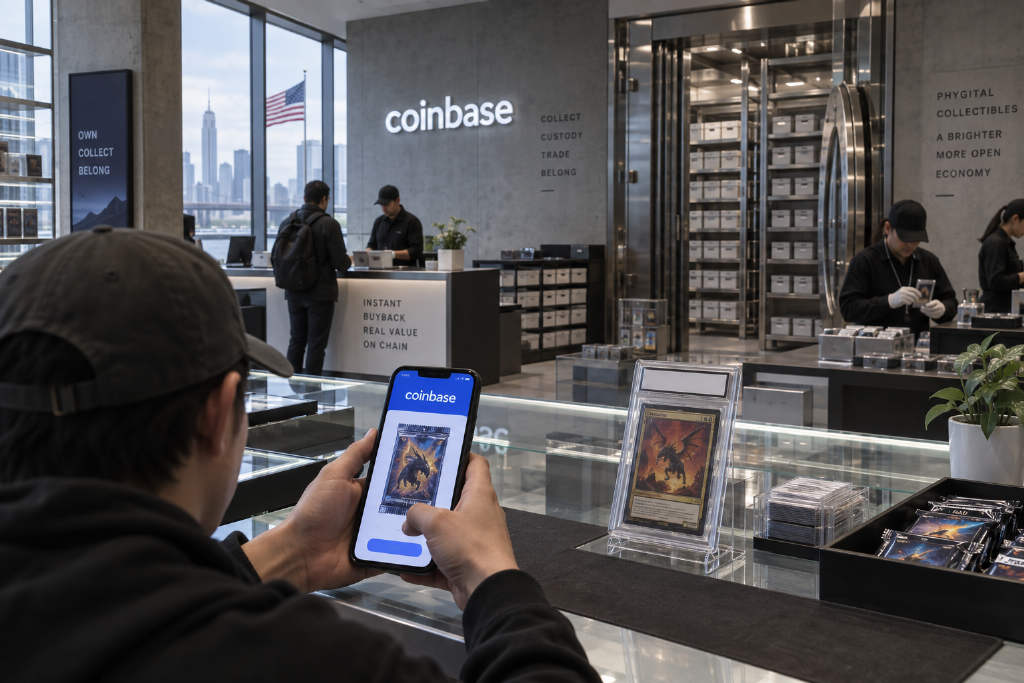
Coinbase has teased a new Trading Card Game product that lets users open packs on mobile, receive cards tied to real physical collectibles, keep them in custody for trading, or redeem the items in kind. The PANews analysis argues that the rise of on-chain TCG is not about crypto creating fresh demand for cards. Instead, it plugs into an existing market with established grading, storage, pricing, and secondary trading systems. In that setup, blockchain mainly speeds up ownership transfer while leaving the physical card in storage until redemption. The piece says the business model shifted when Gacha mechanics were added. Rather than relying on one-off marketplace fees, platforms now drive repeated spending by combining random pack openings with instant buybacks. Users can sell unwanted cards back to the platform and reuse the proceeds for another draw, while the same inventory can be recycled into prize pools. PANews also reviews five projects in the segment — Collector Crypt, Courtyard, Phygitals, Renaiss, and Deadstock — comparing their product structures, volumes, revenue figures, inventory models, fundraising, token incentives, and chain choices across Solana, BNB Chain, and Arbitrum.

7060
Coinbase teaser puts on-chain TCG back in focus as platforms chase trading cards and buyback loops
DOPA
Sep 15, 2026

DOPA card draw rollback dispute spotlights trust gaps in TCG platforms as Xiaoyang shutdown raises pre-order concerns

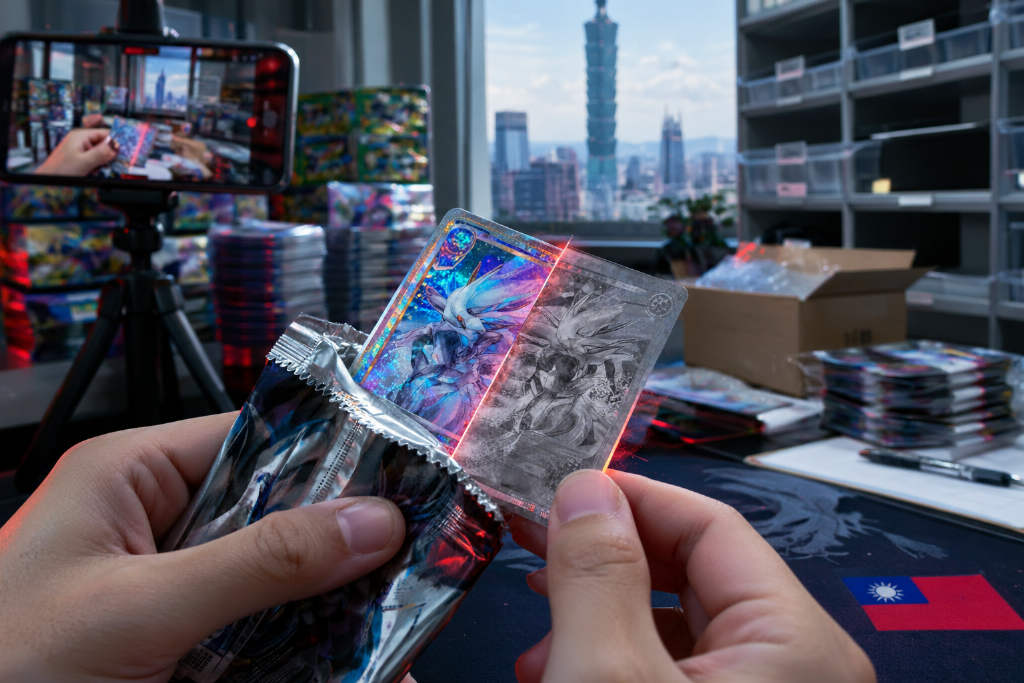
A BlockTempo report uses the recent DOPA card draw dispute to examine a broader trust problem in the trading card game market: players often cannot verify real-time odds, prize inventory, or whether a draw result is truly final. In the DOPA case, a cap on the number of draws in one pool was reportedly set incorrectly, allowing some users to draw repeatedly within a short period. After detecting the anomaly, the platform froze accounts, halted shipments, and rolled affected users back to the state before the 11th draw of that pack, even after results had been shown and cards had entered accounts. The report then points to another case, Xiaoyang Card Shop, which suspended operations without warning in August 2026. A self-help group quickly grew past 4,500 people, while local inspectors found the store closed and the case was referred to police. BlockTempo says the fallout extended beyond ordinary purchases to pre-orders, consignment, and grading submissions. The article argues that live breaking, where products are opened on camera and results are seen in real time, may reduce some of the trust burden. It also mentions unravel, a platform being prepared by a Taiwan-based team with a focus on real-time verification and transparency.

1260
DOPA card draw rollback dispute spotlights trust gaps in TCG platforms as Xiaoyang shutdown raises pre-order concerns
FCG Night
Sep 11, 2026

FCG Night wraps in New Taipei as NOXCAT joins as Gold Sponsor to discuss TCG, Web3 and gaming

FCG Night | Future Card Game Night was recently held at the New Taipei E-Sports Base, bringing together participants from trading card collecting, gaming, Web3, branding and related industries to discuss how TCG, Web3 and gaming may intersect. The event focused on physical collectibles, digital assets, community culture and trading markets, with discussion centered on how Web3 technology could connect with the traditional collectibles market as cards gain richer digital identities, trading methods and use cases. NOXCAT joined the event as a Gold Sponsor and took part in industry discussions around card market evolution, digital infrastructure and transaction design. According to the release, the company used the event to highlight the direction of NOXCAT Wallet, which is integrating multi-chain asset management, social transfers, on-chain trading and escrow-backed transactions. NOXCAT said the goal is to simplify blockchain interactions and reduce the barrier for users entering Web3, especially in scenarios involving collectibles, RWA and transactions that combine online and offline delivery. ChannelLAB supported the event as a media partner, helping with content distribution and Web3 communications. The release described FCG Night as a cross-industry attempt to place cards, gaming, collectibles and Web3 in the same offline setting, creating room for direct discussion around users, assets and transactions.

1870
FCG Night wraps in New Taipei as NOXCAT joins as Gold Sponsor to discuss TCG, Web3 and gaming
TCG
Jun 26, 2026

CardBox: Building a TCG RWA Infrastructure to Unlock a $13B Collectibles Market

While the RWA narrative has largely focused on traditional financial assets like treasuries and real estate, the $13 billion trading card game (TCG) market—led by Pokémon cards—has been held back by poor liquidity, high cross-border friction, and opaque transactions. CardBox positions itself as a TCG RWA infrastructure platform, offering physical custody, digital title, and instant settlement backed by CGC certification, distributed vaults in the US, Japan, and South Korea, and smart-contract-based verifiable randomness. Within one month of beta launch, the platform has generated real traction, exemplified by a user who unboxed a PSA 10 Umbreon SAR card worth ~$650 and instantly cashed out. Future plans include opening the asset network to third-party card shops and launching a task-based incentive system to deepen liquidity.

1510
CardBox: Building a TCG RWA Infrastructure to Unlock a $13B Collectibles Market