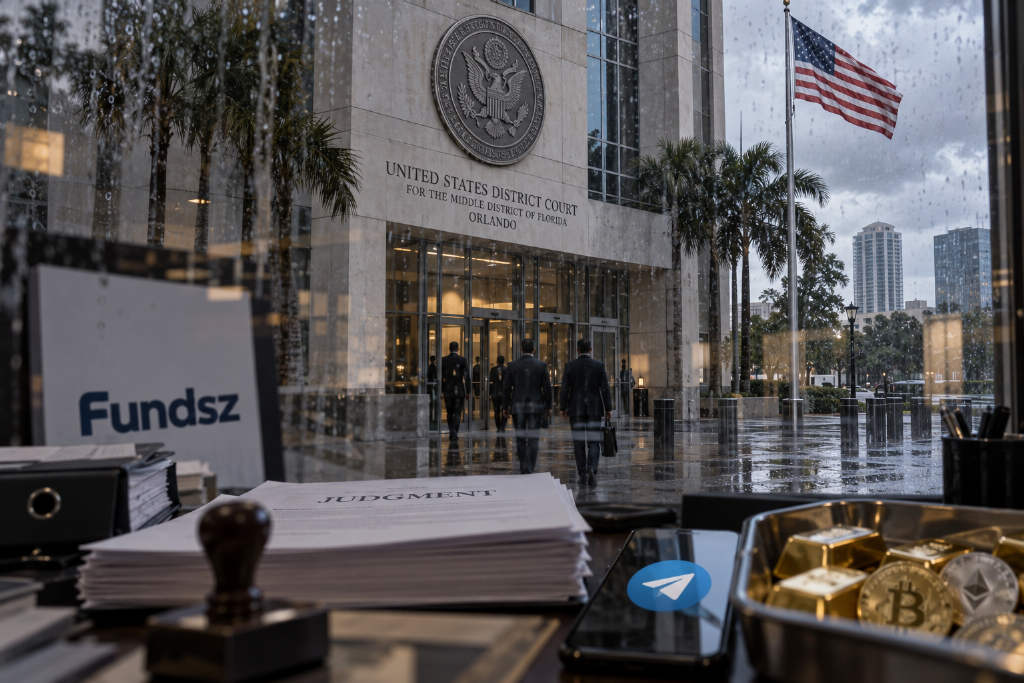
Policy Regula2026-09-30 22:34:03Florida federal court orders over $30 million in penalties in Fundsz fraud caseA federal district court in the Middle District of Florida has entered a default judgment against Brian Early and Alisha Ann Kingrey in the Fundsz digital asset and precious metals fraud case, ordering the two to pay more than $30 million in penalties. According to Techub News, citing Wu Blockchain, the court found that Early and Kingrey, who served as Fundsz board members and Telegram group administrators, made false statements about expected returns, historical trading performance, and the risk of losses. The court also said they falsely claimed investor funds could be traded through a "proprietary algorithm" and later withdrawn with both principal and returns. On the same day, the court issued consent orders against two other individuals tied to the case. One of them, Juan Pablo Valcarce, was permanently barred from having others trade crypto assets or precious metals on his behalf.30
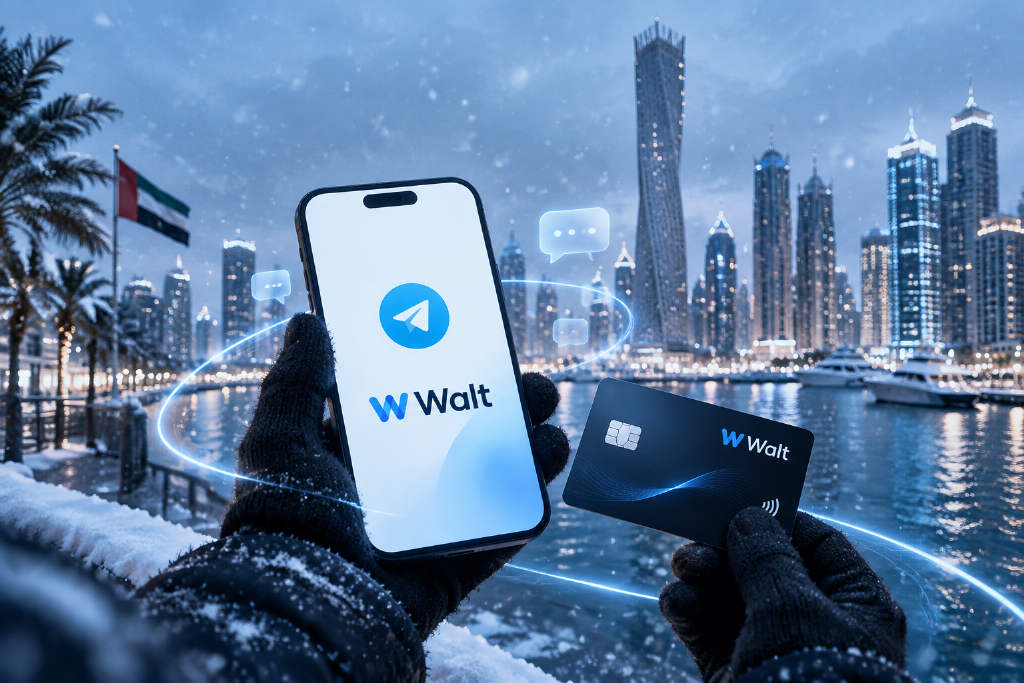
Telegram2026-09-30 06:44:29Telegram Wallet Rebrands as Walt, Plans Crypto Card and AI Chat TradingWallet in Telegram has been renamed Walt, according to an official announcement released on Sept. 30. The service will continue to offer its existing products, including trading, investment tools, yield products, multi-chain asset support, and cross-chain transfers. Walt also said it plans to add a crypto card and AI-powered conversational trading features. For current users, the transition is not expected to require any operational changes, as the company said there is no need to move funds or migrate accounts. The update centers on branding and planned product expansion rather than a change to the core account structure. The announcement did not disclose a launch date for the new crypto card or the AI-driven trading function.220
@games2026-09-29 19:14:56@games launches Games Names, a decentralized naming service on TONGaming platform @games has introduced Games Names on The Open Network, or TON, adding a decentralized naming layer built around NFT-based usernames. Under the new service, each username is minted as an NFT that users can hold, transfer, or sell. The starting price is 1 GRAM, and the names do not require renewal fees. According to the announcement, each name also serves as the base for a shared gaming profile designed to collect achievements across multiple games. Those achievements are recorded on-chain through soulbound tokens, or SBTs, and tied to the NFT name itself. If the name is moved to a new wallet, the full achievement history moves with it. @games describes itself as a global gaming platform developed around the Telegram ecosystem. Users can mint a game name through the @games account on Telegram or via the id.game website. The update was reported by BeInCrypto and cited by Techub News.140
Telegram2026-09-28 19:29:14Telegram renames its built-in crypto wallet to Walt and launches lightweight Gram walletTelegram has renamed its built-in cryptocurrency wallet app to Walt and introduced a new wallet called Gram, according to Techub News, citing Crypto Briefing. The change separates basic crypto payment functions from more advanced trading and investment features inside Telegram’s wallet offering. Gram is positioned as a lightweight wallet focused on fast, simple everyday payments and peer-to-peer transfers. Walt, meanwhile, will continue to handle a broader set of services, including crypto asset storage, trading, and access to DeFi. The move reflects a product split between payment-oriented use cases and more feature-rich crypto activity, rather than a single wallet serving both roles.240
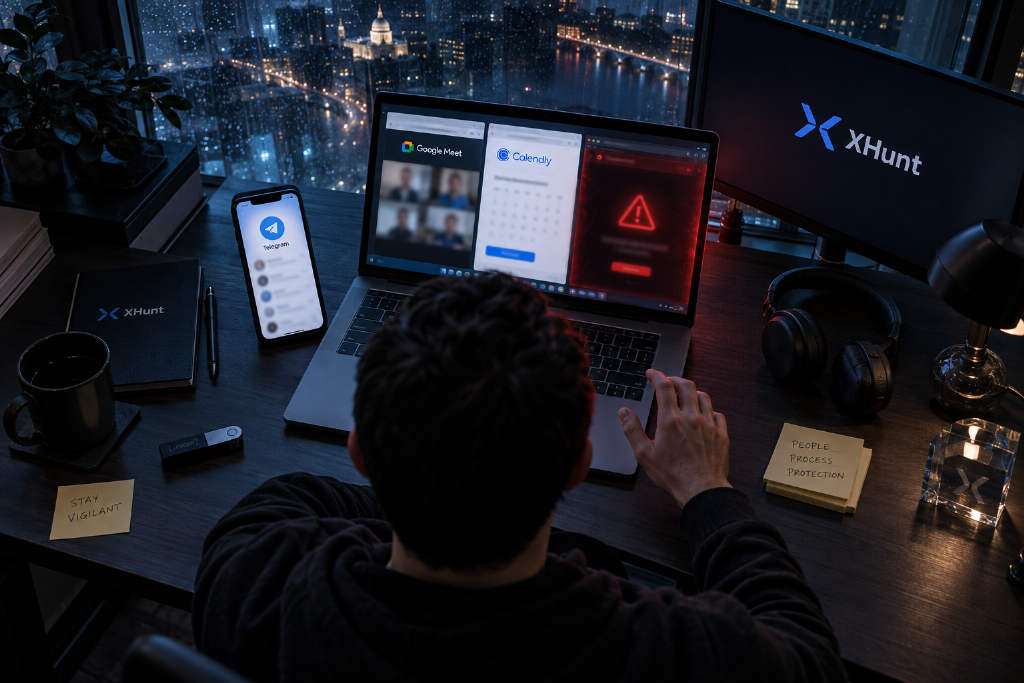
XHunt2026-09-27 16:56:31XHunt founder DeFi Teddy says he narrowly avoided a social engineering attackXHunt founder DeFi Teddy said he recently came close to falling victim to a social engineering attack aimed at crypto industry participants. According to his account, the attacker first reached out on Telegram while posing as an institutional investment manager and shared a website, an X account, and an official email address to appear legitimate. The person then added him to a group chat that included supposed "CEO" and "BD" participants and used Calendly to schedule a Google Meet call. During the meeting, the other side asked about XHunt’s business model, valuation, and market expansion plans. About 10 minutes into the call, they claimed they could not connect to Google Meet and asked to switch platforms, sending a link to a so-called "kaokao" website. DeFi Teddy said he refused to open it, and later found that the URL was a phishing site. He warned crypto professionals to verify identities and past investment records before engaging with unfamiliar institutions, stay alert to unsolicited Telegram messages, and avoid clicking unknown links or downloading unfamiliar software or documents.230
Bank of Korea2026-09-26 04:17:41Fake account impersonating Bank of Korea governor linked to stock scam group still active on TelegramA social media account impersonating Rhee Chang-yong, governor of the Bank of Korea, recently appeared on Korean platforms and used market commentary to attract followers, according to BlockBeats. The account reportedly promoted itself with language such as helping users understand economic trends and market direction. While it did not openly recommend specific stocks in public posts, it allegedly told users who added the account or sent direct messages that a study group was available, then directed them into a chat room. Inside that group, operators claimed they could provide stock picks with double-digit returns and asked for personal information. The Bank of Korea requested that the platform remove the account, and it was taken down within hours of appearing. Even so, a stock-promotion scam group that multiple people had already joined continued operating on Telegram. When asked about its relationship with the central bank, the operator avoided a direct answer and said that financial institutions have many internal matters outsiders cannot easily understand. The report said impersonating public figures to funnel users into illegal stock-picking groups has become a standard investment scam tactic in South Korea. Data cited from the Financial Supervisory Service showed 6,769 investment scam phishing victim cases in the first quarter of this year, with losses totaling KRW 181.7 billion. For all of last year, the number stood at 11,468 cases and KRW 391.6 billion in losses.260
pepe boost2026-09-18 03:12:54pepe boost launches multichain aggregated trading bot across five networksTelegram-based token trading tool pepe boost has rolled out a multichain aggregated trading bot, adding support for trading on Solana, BNB Chain, Robinhood Chain, Ethereum, and Base. The team said users can migrate their wallets by following the provided instructions. It also said future feature updates and user experience improvements will be prioritized on the new multichain bot rather than older versions. In the same announcement, the project noted that its Stonks feature has already been adapted for the new setup. The update expands pepe boost’s network coverage and shifts product development focus to the newly launched bot.360
Revolut2026-09-14 00:54:08Attackers begin posting Revolut customer records, threaten daily leaks unless paidAttackers behind the Revolut customer data breach have started publishing sensitive user records online and say they will continue releasing more material each day unless the fintech pays. According to Cointelegraph, the newly exposed data reportedly includes selfies and identity documents tied to tennis player Alexander Shevchenko and Felix Römer, CEO of online crypto casino Gamdom. The report cites a Sunday X post from International Cyber Digest and a Telegram message attributed to the attackers saying they would release more data every day until Revolut pays. Revolut told customers on Friday that the leaked information includes full names, dates of birth, occupations, contact details, account statements and full transaction histories, including Bitcoin transaction records. The company said the breach stemmed from a "sophisticated external impersonation scam," in which an attacker used an email address from a legitimate government agency domain to submit fraudulent information requests. Revolut added that only a limited number of customers were affected and said its systems and customer funds were not impacted. Römer told Cointelegraph the leaked details appeared to have come from Revolut, and confirmed he was among the customers contacted by the company on Friday.370