Live Nation
Oct 5, 2026

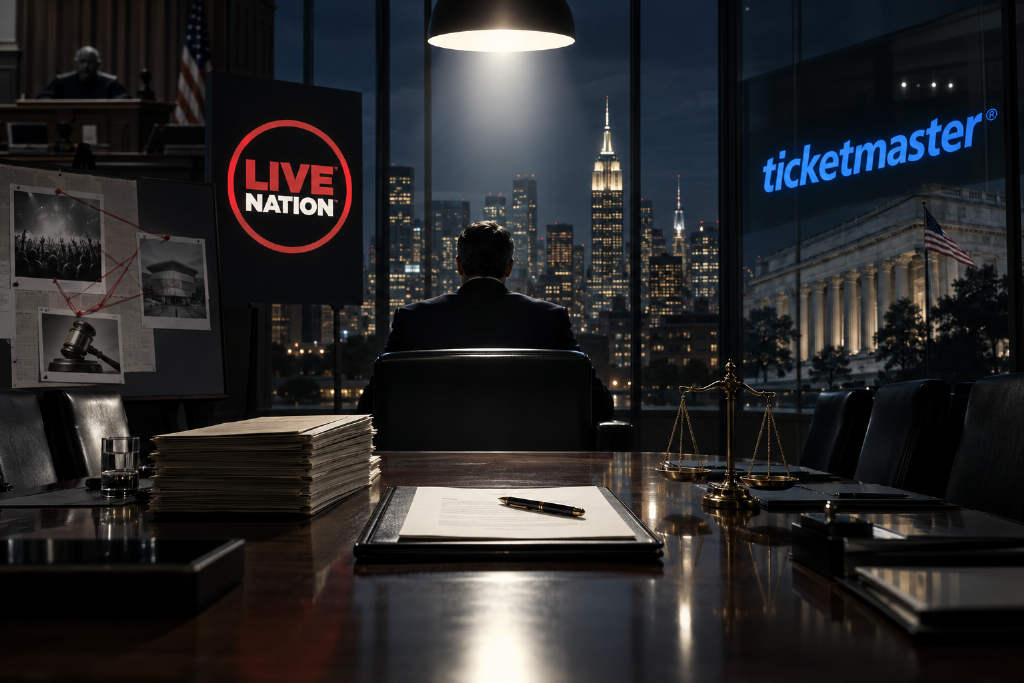
Live Nation doubles Michael Rapino’s pay target after monopoly verdict

Live Nation approved a new contract last week that doubles CEO Michael Rapino’s compensation target to more than $60 million a year, even after a federal jury in Manhattan found the company and Ticketmaster liable for unlawful monopoly practices. The decision stands out because Rapino testified under oath six months earlier that part of his pay was tied to “solving the DOJ problem,” which he described in the context of avoiding an antitrust breakup or another adverse outcome from US Department of Justice enforcement. His prior contract had been set to expire in 2027, but the new arrangement may keep him in the role through 2031. In April, a federal jury found Ticketmaster used monopolistic practices that overcharged fans by $1.72 per ticket across 21 states and Washington, DC. The DOJ later settled its antitrust action, with Live Nation agreeing to fund $280 million for certain state claims, while a judge is expected to decide by next year whether to approve the proposed final judgment.

1050
Live Nation doubles Michael Rapino’s pay target after monopoly verdict
aespa
Aug 11, 2026

Taiwan police bust ticket scalping ring that used 800 ghost accounts to grab more than 2,000 concert tickets

Taiwan’s Criminal Investigation Bureau said it had broken up an eight-person ticket scalping ring on Aug. 11, the same day K-pop group aespa performed at Taipei Dome. According to local reporting cited in the source article, the group used a SIM box-based SMS collection setup, commonly known as a “cat pool,” to register more than 800 ghost accounts and automate access to ticketing systems. Authorities said the operation had targeted high-demand events since last year, including shows by BLACKPINK, BABYMONSTER, Mayday and G.E.M. The ring allegedly obtained more than 2,000 tickets with a combined face value of about NT$11 million. When investigators moved in during mid-July, three suspects were preparing to leave Taiwan and were stopped at the airport. Prosecutors later imposed travel restrictions and bail ranging from NT$100,000 to NT$1 million, while the alleged ringleader surnamed Luo remained in custody in another case. The report also points to a broader trend: AI tools are lowering the barrier to building ticket-buying scripts, while ticketing platforms are expanding bot detection through behavior analysis, device fingerprinting, randomized queues and identity checks. The suspects were referred under Article 10-1 of Taiwan’s Cultural and Creative Industries Development Act, which allows penalties of up to three years in prison or fines of up to NT$3 million for obtaining tickets through improper means.

1240
Taiwan police bust ticket scalping ring that used 800 ghost accounts to grab more than 2,000 concert tickets