
Feixiaohao
Sep 20, 2026

Feixiaohao and TuringBitChain to co-host GWDC 2026 forum in Seoul

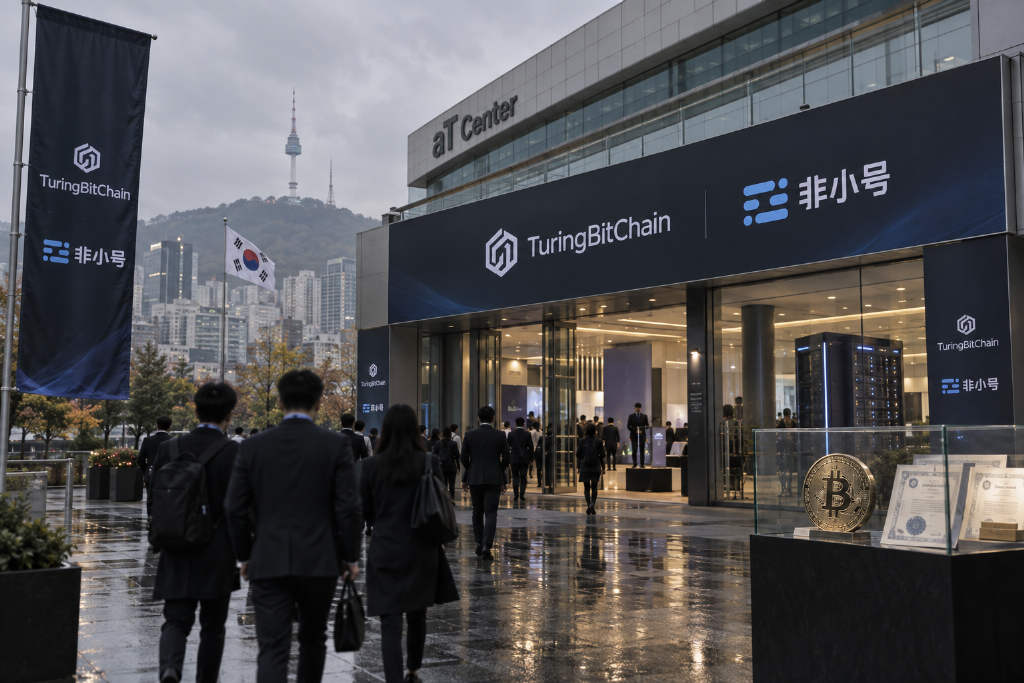
Feixiaohao is moving ahead with the Feixiaohao × GWDC 2026 Innovation Forum together with TuringBitChain, which will join the event as a co-organizer. The forum is scheduled for Sept. 29, 2026, at AT CENTER in Seoul, South Korea, and will focus on stock tokenization, Web3 and AI. TuringBitChain, or TBC, is described as an independent Layer 1 public blockchain built on Bitcoin’s UTXO model, using SHA256 PoW consensus and supporting Turing-complete smart contracts on a UTXO architecture through BVM and TuringContract. During the event, Marcus Cheng, APAC marketing director at TBC, is also set to speak. Organizers said the GWDC Korea stop is expected to draw 5,000 attendees, with representatives from government, business, technology and Web3 expected on site, including South Korea’s deputy prime minister and finance minister, Justin Sun, Microsoft, Bithumb and Animoca Brands. TBC said its participation will bring topics including UTXO Layer 1, asset tokenization, AI agents and high-frequency micropayments into a denser international exchange setting.

1320
Feixiaohao and TuringBitChain to co-host GWDC 2026 forum in Seoul
Bitcoin
Aug 6, 2026

Hashi’s 25-Plus Institution Stress Test Puts Focus on Where Bitcoin Programmability Should Live

Hashi’s testnet on Sui has drawn participation from more than 25 institutions in a push to let Bitcoin take part in DeFi without leaving the Bitcoin network. The article argues that the market debate has shifted: the question is no longer whether BTC should be programmable, but where that programmability should sit. Hashi keeps the underlying BTC in 2-of-2 multisig Bitcoin addresses while execution happens on Sui, a setup the author says improves asset safety but still leaves users relying on two systems at once. Against that backdrop, TuringBitChain, or TBC, is presented as a different route. Rather than splitting assets and contract logic across chains, it says it writes Turing-complete smart contracts directly into the UTXO model at Layer 1. The piece contrasts the two approaches across trust assumptions, architecture, performance claims, developer trade-offs, and institutional readiness, framing the broader contest around whether programmable BTC finance will be built through external execution layers or within UTXO itself.

2970
Hashi’s 25-Plus Institution Stress Test Puts Focus on Where Bitcoin Programmability Should Live

